
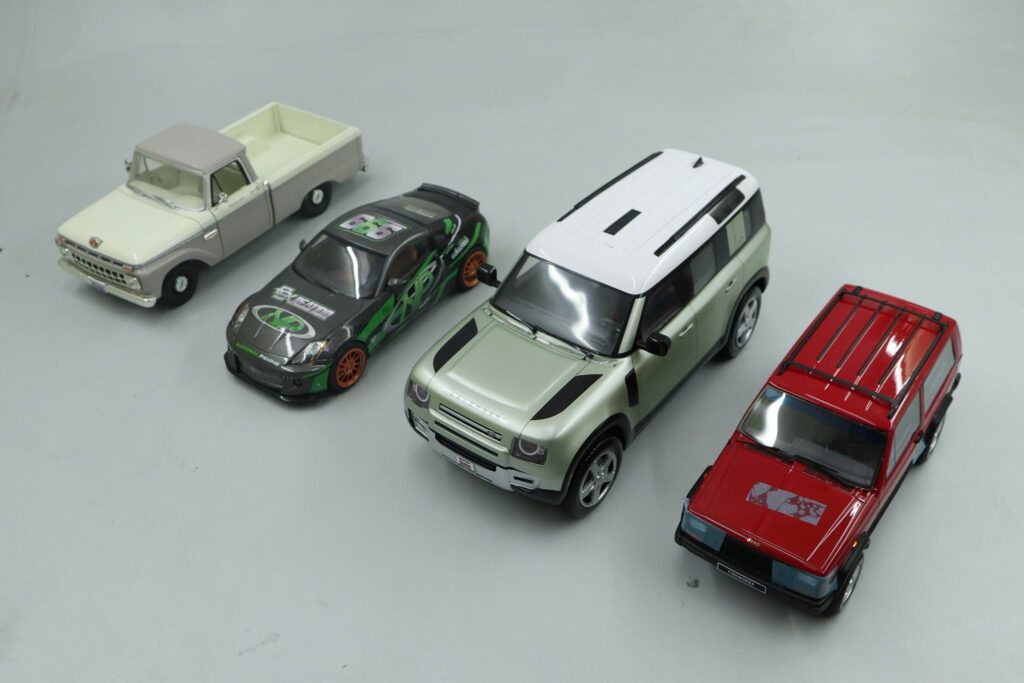
The most interesting automotive collections are never the most obvious ones. The collector who displays only the canonical subjects — Ferrari 250 GTO, Shelby Cobra, Porsche 911 RS — has built a display that reflects impeccable taste and a complete absence of curatorial risk. Every subject on that shelf was chosen by consensus before it arrived. Nothing about the collection asks a question that the visitor has not already answered. The collector who includes a Yugo alongside the GTOs and the Cobras is making a more interesting argument — one that requires explanation, rewards curiosity, and reveals something genuine about how the collector thinks about what automotive history actually contains.
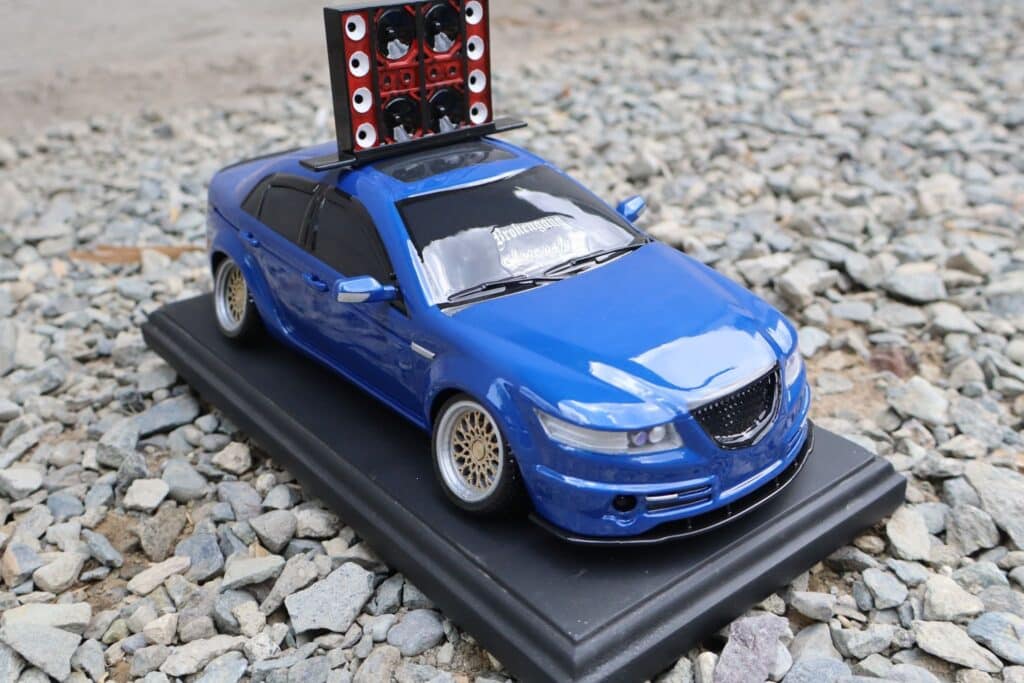
This guide covers six subject categories that the serious collector should consider — not because they are the most conventionally prestigious, but because each one carries a collecting argument that the canonical subjects cannot make. The Yugo that asks why failure is as historically significant as success. The Kenworth that asks why commercial vehicles deserve the same collector attention as sports cars. The BMW E82 that asks why the driver’s car that nobody talks about any more is worth documenting before it is entirely forgotten. The Toyota subjects that document the vehicles most people actually drive, rather than the vehicles most collectors wish they could. Each is a position taken. Each is worth defending.
What Makes a Subject Worth Collecting: The Three Questions Every Serious Collector Asks
Before examining specific subjects, the framework matters. A serious collector does not acquire because a subject is famous or expensive. They acquire because a subject answers yes to three questions that distinguish a collection from an accumulation.
- Does this subject carry a story that no other subject on the shelf tells? A collection where every subject tells a version of the same story — performance, exclusivity, Italian design — has a theme but not an argument. The subject that tells a different story is the one that makes the entire display more coherent.
- Is this subject historically significant in a way that a scale replica communicates more effectively than any other format? Some vehicles are better documented by photographs, by text, by data. The scale replica is the right format when the vehicle’s design and physical character are the primary historical evidence.
- Is this subject available now in the form it deserves — or does acquiring it require action before the opportunity closes? Production vehicles become classic subjects on a timeline that rewards the collector who moves early. The Yugo was available in scale for a fraction of its current collector interest when that interest was first forming.
The Yugo — Why the Most Mocked Car in Automotive History Deserves Serious Collector Attention
Manufactured: 1980–2008 · Zastava, Kragujevac, Serbia · American market: 1985–1992 · Launch price: $3,990 — the cheapest new car in the US at the time · Cultural significance: Cold War economics, automotive globalisation, popular failure mythology
The Yugo GV’s reputation as the worst car ever sold in America is one of the most persistent automotive myths — and like most persistent myths, it conceals a more interesting truth. The Zastava-built subcompact was not an engineering failure. It was a political and economic experiment: a socialist republic’s attempt to enter the American market with a vehicle priced below any domestic competitor, built on a licensed Fiat platform, and sold through a distribution network assembled in two years by a single importer with no previous automotive industry experience. The car’s problems were real but largely attributable to importation logistics, parts support, and build quality consistency rather than fundamental engineering error.

What the Yugo actually represents — Cold War trade policy, the limits of socialist manufacturing economics, the specific moment in the 1980s when American consumers had a brief and mostly unhappy encounter with Yugoslav industry — is a genuinely significant chapter in automotive and political history that no other vehicle documents with the same specificity. A precision Yugo car model on a shelf is not a joke. It is a document of a specific political and economic moment in automotive history — one that the passage of time has made more interesting, not less.
The Kenworth — Why Commercial Vehicles Deserve Their Place in Any Serious Collection
Founded: 1923, Seattle · Produced: Class 8 heavy trucks · Cultural significance: American long-haul trucking industry, Smokey and the Bandit, Duel · Collector status: underrepresented relative to historical and cultural significance
The most common bias in automotive collecting is the assumption that the collector market should mirror the enthusiast press — that sports cars, performance vehicles, and luxury marques are the natural subjects, and that commercial vehicles are peripheral. This assumption is historically incorrect and, from a collecting standpoint, represents a significant opportunity. The vehicles that actually built the American economy — the trucks that moved the goods, the vehicles that made the highway network economically viable, the machines that operated without romance or glamour for hundreds of thousands of miles — are systematically underrepresented in the collector market relative to their historical significance.
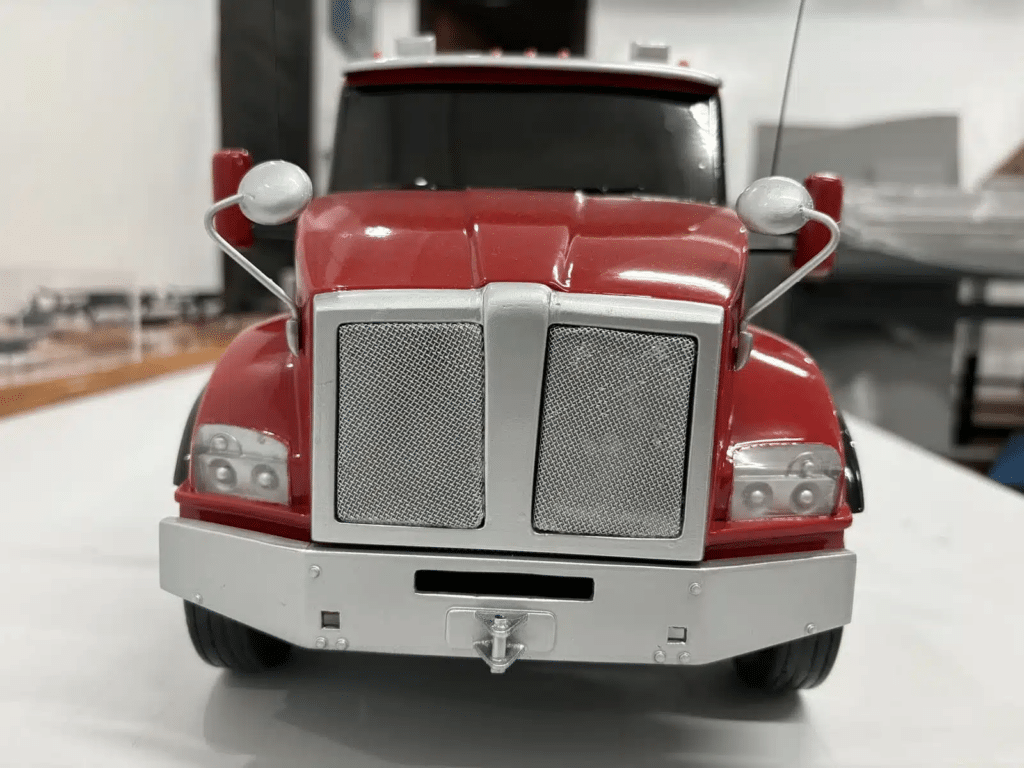
The Kenworth is the defining name in American long-haul trucking — a brand whose cultural penetration extends well beyond the industry through film appearances in Steven Spielberg’s Duel and Hal Needham’s Smokey and the Bandit that established the American eighteen-wheeler as a cultural icon in its own right. A precision Kenworth truck model in a collection dominated by sports cars and performance vehicles is the subject that makes the most interesting curatorial statement: that the history of the automobile is not only the history of the vehicles people desired, but of the vehicles that did the work.
The BMW E82 — The Driver’s Car That the Collector Market Has Not Yet Noticed
Produced: 2007–2013 · BMW 1 Series Coupe · Engine options: 118i through 135i twin-turbo · Rear-wheel drive · Last BMW compact coupe with a traditional driver’s car layout · Replaced by front-wheel drive F22
The BMW E82 1 Series Coupe represents a collecting opportunity of the type that the serious collector recognises before the broader market does. Produced from 2007 to 2013 and replaced by a front-wheel drive successor that abandoned the rear-wheel drive layout that had defined BMW’s compact performance identity for decades, the E82 is the last of a configuration that BMW built for over thirty years. The 135i variant — powered by a twin-turbocharged inline-six producing 306 horsepower in a platform weighing under 1,400 kilograms — is the final expression of a philosophy that the BMW M1 began and the subsequent 1 Series entirely abandoned.

The collector market has not yet priced this significance into the E82’s collector value — which means the window to acquire a BMW E82 scale model that documents the final rear-wheel drive BMW compact is open in a way that will not remain open indefinitely. The pattern is consistent across automotive collecting: the last-of-a-configuration subject becomes most sought-after in the decade after its significance becomes undeniable. The E82 collector who moves now is acquiring at the beginning of that curve rather than at its peak.
The most interesting collections are not built from the most obvious subjects. They are built from subjects that carry stories the obvious choices cannot tell — and that reward the collector who understood their significance before the broader market caught up.
The Toyota Subjects — Documenting the Cars That Most People Actually Drive
The conventional collector market has a systematic blind spot for the vehicles that define automotive reality for most people — the reliable, well-engineered, commercially dominant vehicles that win their segments not through drama or exclusivity but through consistent quality applied at accessible price points. Toyota has occupied this position more consistently and for longer than any other manufacturer in automotive history. The Corolla is the most produced nameplate in the history of the automobile. The Camry has been the best-selling car in the United States for over two decades. These are not failures of ambition. They are extraordinary achievements of engineering discipline applied to the most competitive market conditions available.
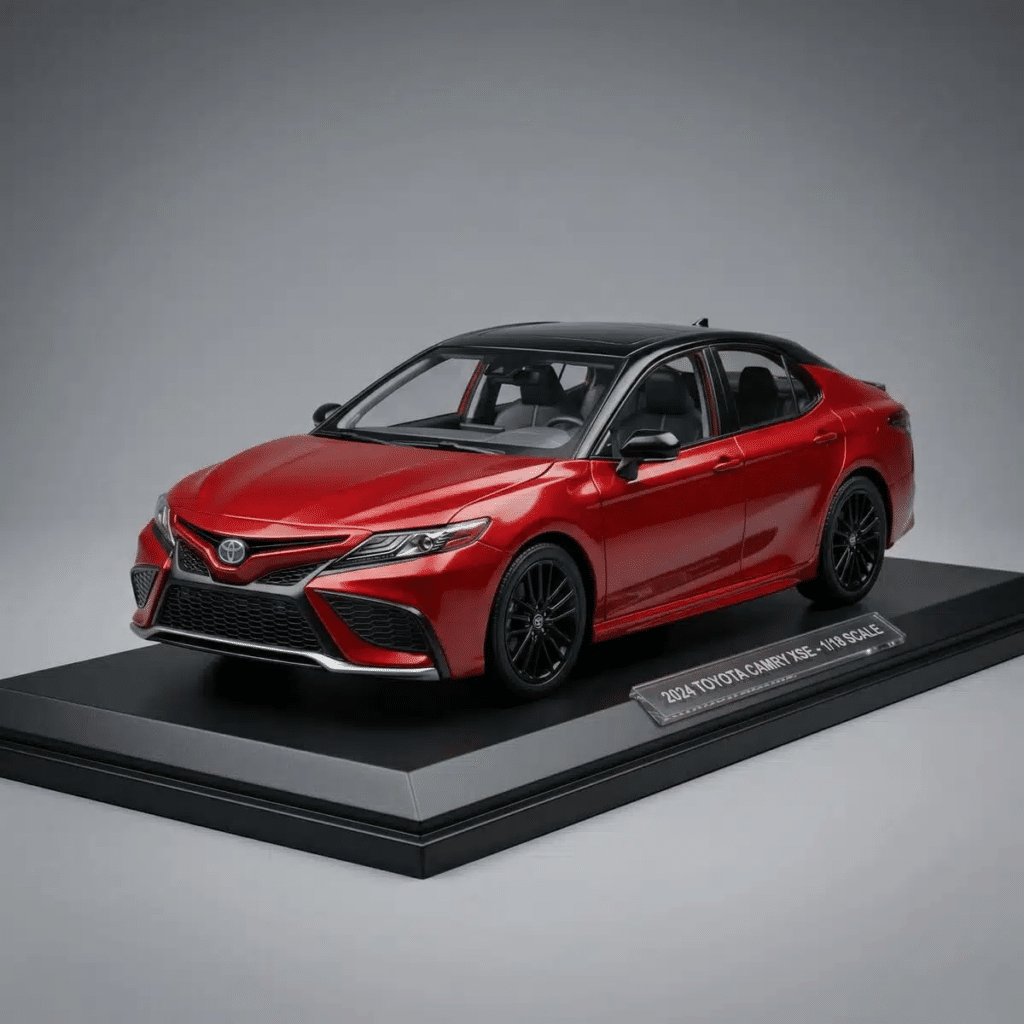
The 2024 Toyota Camry model documents the nameplate at a genuinely significant transition point — the ninth generation, now available exclusively as a hybrid, represents Toyota’s commitment to electrification in its core volume segment. This is a historically meaningful edition: the Camry that was exclusively petrol-powered for thirty years became the Camry that is exclusively electrified. The collector who documents that transition now is preserving a chapter of automotive history that most collectors are not yet paying attention to.

The 2025 Toyota Corolla model carries the weight of the nameplate’s fifty-year production history. Over 50 million Corollas have been sold globally — a production figure that makes it the defining document of what the affordable, reliable passenger car has meant to the world’s driving population across six decades. The collector who includes a current Corolla in a display spanning automotive history is making an honest argument about what automotive history actually contains: not only the extraordinary vehicles, but the ordinary ones that carried the most people the furthest.
Model Car Kits — The Case for Building Over Buying
The collector who builds their own pieces occupies a different relationship with their collection than the one who acquires finished replicas — and that relationship produces a different quality of object. A model car kit completed over forty hours of careful construction carries two histories in the finished piece: the history of the vehicle it reproduces, and the history of the person who built it. The paint choices made at the detailing stage. The assembly sequence decisions that determined the final surface quality. The specific level of finish that the builder’s skill and patience produced at the time of building. These are embedded in the object in a way that a commissioned or purchased piece cannot replicate — and they make the finished kit a more personally significant object than its subject matter alone could justify.
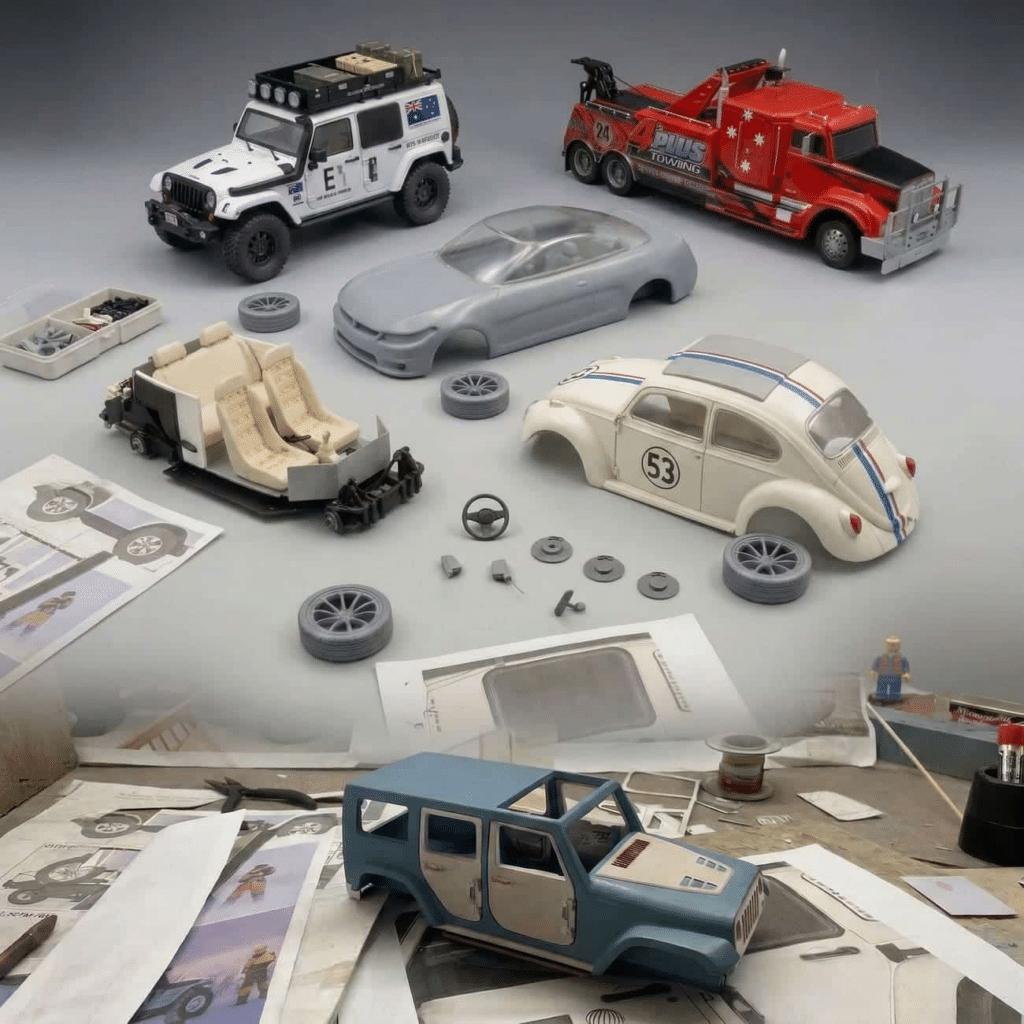
The builder also develops a knowledge of the subject that passive ownership does not produce. Forty hours of assembling a 1:24 Yugo GV — fitting each body panel, painting the interior in the correct beige of the 1987 specification, dealing with the chassis geometry that the kit’s designer reproduced from the Zastava factory drawings — produces an understanding of that vehicle’s construction that no amount of reading about it can match. The kit builds knowledge as well as the object. That is a collecting investment with two returns simultaneously.
Custom Car Models — When the Standard Range Cannot Supply the Subject You Need
The subjects that the standard production die-cast catalogue supplies are determined by commercial calculation — which vehicles generate sufficient demand to justify tooling investment at a specific price point. This calculation excludes a significant proportion of the vehicles that serious collectors want to document: the specific variant in the non-standard colour, the commercial vehicle that the collector market has not yet recognised, the personal vehicle whose significance is biographical rather than historical. Custom car models built to a specific brief fill the gap between what the catalogue supplies and what the collector actually needs — producing the Yugo in the correct Aquamarine Blue of a specific model year, the Kenworth in the livery of a specific fleet operator, the E82 135i in the exact Montego Blue Metallic of a specific production year’s order specification.
This is where the collecting argument becomes most personal. The models of automobiles that a commission produces are not available from any catalogue because they were made for one collection with one brief. They carry the collector’s own research, their own specification decisions, and their own understanding of why this subject deserved permanent documentation in this form. The commission is not simply an acquisition. It is a curatorial act — the decision that this vehicle, at this level of accuracy, in this configuration, belongs permanently in this collection. That decision is the difference between accumulation and curation. And curation, over time, is the difference between a collection that tells a story and one that merely lists acquisitions.
Frequently Asked Questions
What makes a custom car model worth commissioning?
A custom car model is worth commissioning when the subject carries a story that the standard production catalogue cannot supply in the form it deserves — whether that story is historical, biographical, or curatorial. The Yugo in the exact specification of its American market launch year. The Kenworth in the livery of a specific fleet. The personal car whose registration and colour make it specific to one person’s history rather than generically representative of the type. These subjects justify commission because only a commission can produce them with the accuracy the story requires.
Should I build model car kits or buy finished replicas?
Both approaches produce legitimate collecting objects through different processes. Finished replicas deliver the subject at the highest available production quality with minimum time investment — appropriate when the subject’s significance is primary and the building process is secondary. Model car kits add the builder’s own labour and knowledge to the object — appropriate when the process of building is itself valued and when the collector wants to develop a specific understanding of the vehicle that only close construction produces. Many serious collectors do both, using kits for subjects they want to understand thoroughly and commissioning or purchasing for subjects where accuracy and finish quality are the primary concerns.
Why do collectors include commercial vehicles like trucks in their collections?
Commercial vehicles are systematically underrepresented in the collector market relative to their historical and cultural significance. The vehicles that built economies, moved freight, and defined the infrastructure of automotive culture are as historically significant as the sports cars that attract most collector attention — and considerably less well documented in scale. The collector who includes a Kenworth or a period delivery vehicle in a display built around passenger car subjects is making an honest argument about what automotive history actually contains. That argument tends to become more interesting, not less, as the collector’s understanding of automotive history deepens.
The Collection That Asks Questions
The most enduring collections are built not from the most obvious subjects but from the subjects whose presence together asks a question that no single piece could ask alone. What does automotive history actually contain — only the beautiful and the fast, or also the practical, the failed, the ordinary, and the overlooked? The Yugo alongside the E82 alongside the Kenworth alongside the Corolla is a more honest answer to that question than a shelf of Ferraris and Porsches, however impeccably chosen.
The scale model collecting tradition has always been at its most culturally valuable when it documents what the full-size collector market undervalues — the vehicles whose significance is not yet reflected in their auction prices, whose stories are not yet told in coffee table books, whose place in automotive history is real but not yet recognised. The collection built on that principle does not chase the market. It leads it. And the collector who builds it has something the consensus collector never quite achieves: a display that could only have been assembled by someone who actually thought about what they were doing — and why.