
Every automotive travel destination has a gift shop. Maranello has several. Le Mans has an enormous one, open throughout race week and staffed by people who understand that the emotional intensity of spending three days watching endurance racing produces a purchasing impulse that a well-placed credit card reader can easily accommodate. Stuttgart’s Mercedes-Benz Museum has a gift shop that occupies an entire floor. The Nürburgring has a shop, a hotel, a petrol station, and a restaurant, all branded with the same distinctive Nordschleife logo that the track has converted into a lifestyle identity.
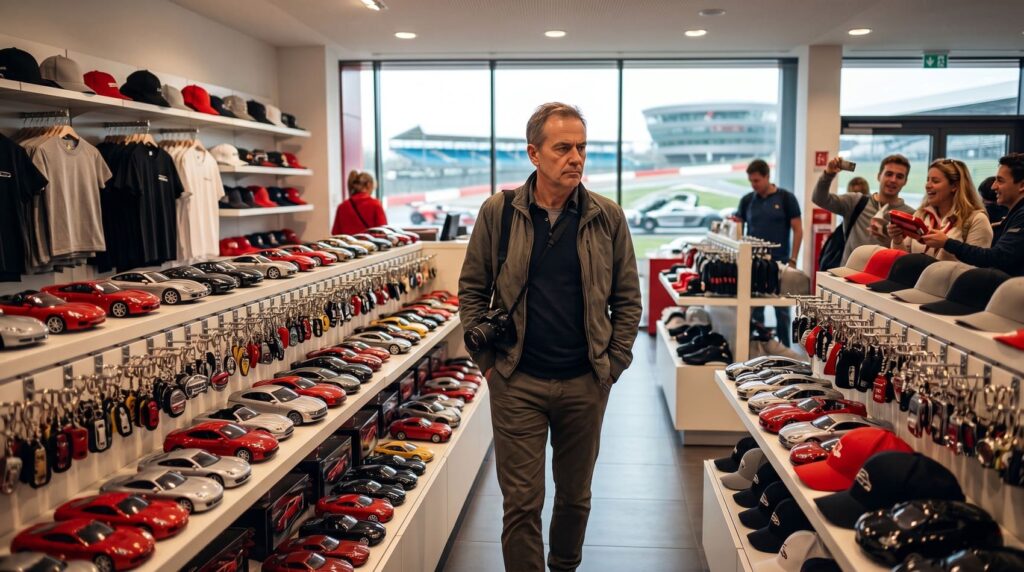
The serious car modeller walks through all of these gift shops, looks at everything, and buys almost nothing. Not because they are indifferent to the destinations — they planned their entire trip around them. But because the keyring, the branded cap, and the die-cast miniature produced for the tourist market are not the souvenirs that a person who makes, builds, or commissions precision scale models of automobiles can accept in good conscience as documentation of a journey that meant this much.
What the Automotive Pilgrimage Is Actually For
The car modeller who travels to Maranello is not going to see Ferrari. They already know Ferrari intimately — the specific panel lines of the 250 GTO, the exact shade of Rosso Corsa used in the 1962 Le Mans entry, the relationship between the Colombo V12’s bore and stroke dimensions and the engine bay proportions visible in reference photographs. What they are going to do is verify. To stand in front of the cars they have been building in miniature and check their work against the originals — to see whether the surface transition they reproduced at the nose of a 1:18 kit was correct, whether the wheel arch radius they hand-shaped for a commission matches the production geometry.
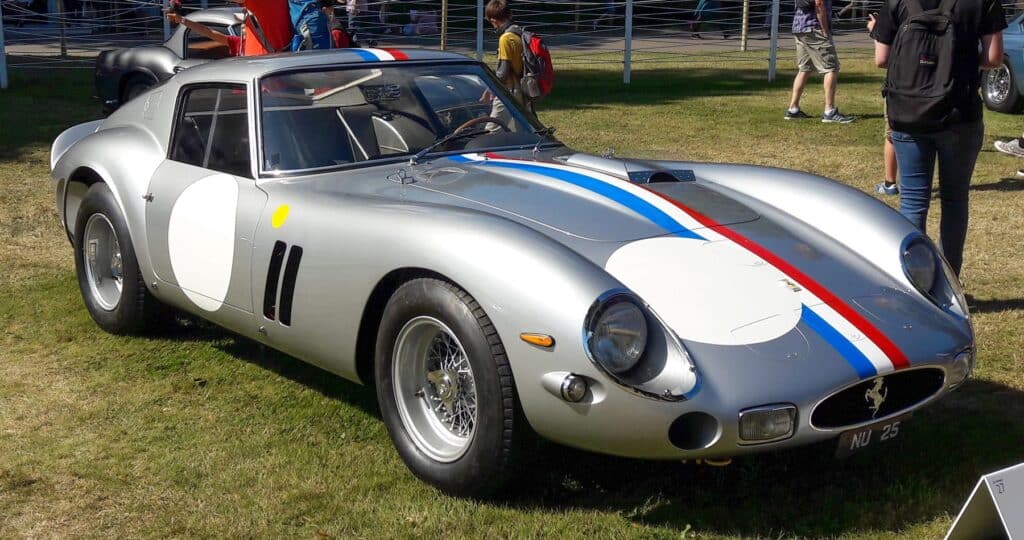
This is a different quality of engagement with an automotive destination than the general visitor brings. The general visitor sees a beautiful car behind a rope barrier and appreciates it aesthetically. The car modeller sees a set of problems they have been solving — and an opportunity to understand whether their solutions were accurate. The museum visit is, for them, a working research session conducted in the presence of the most authoritative reference material available.
The Le Mans pilgrimage serves the same purpose at larger scale. The car modeller who wants to build an accurate Ford GT40 in the 1968 Gulf livery needs to understand the specific shade of Gulf Blue at the finish line in natural light, not in a photograph. They need to see the relationship between the low roofline and the windscreen angle from multiple physical perspectives that no set of reference images can fully substitute. The trip is, in this sense, not a holiday. It is a research expedition with a racing calendar attached.
Why the Gift Shop Consistently Fails the Serious Collector
The automotive destination gift shop is designed for the enthusiast, not the specialist. Its die-cast offerings are produced at scales and quality levels appropriate for the general market — 1:43 pieces at price points that make them accessible as impulse purchases rather than collector investments. The livery accuracy is approximate. The surface detail is adequate. The production geometry reflects tooling decisions made for the widest possible market rather than for the person who has spent forty hours hand-finishing a competing piece and knows exactly where the shortcuts were taken.
What the serious car modeller actually brings home from a significant automotive destination is reference material — photographs taken from angles that standard automotive photography does not cover, measurements noted on the spot, paint chip comparisons made against their own reference library. And then, in the weeks or months following the visit, they either build or commission the piece that the trip was really about. The scale model that results from Maranello reference material has a quality of accuracy that no gift shop purchase can approach — because it was made by someone who went to the source, verified their understanding directly, and then built from that understanding rather than from a photograph on a box. That is what it means to make a model car with genuine seriousness.
The keyring proves the visit happened. The commissioned scale model built from reference material gathered during the visit proves the visit was understood. For the serious car modeller, only the second category of souvenir is worth bringing home.
The Commissioned Scale Model as the Definitive Automotive Travel Souvenir
The commissioned models of automobiles that serious car modellers bring home from significant automotive destinations share one quality: they are made with reference material that only the visit made possible. The 1:18 Ferrari 250 GTO built from photographs taken in the Museo Ferrari cavallino, with paint chip samples matched against the museum car under the specific lighting of that space, is a different object from the same subject built from internet reference images. The Le Mans GT40 finished against the race-day photographs taken from the Maison Blanche corner in natural light is more accurate than the same subject finished from press photographs. The visit produces knowledge. The model built from that knowledge holds the visit permanently.
For automotive travellers who want to document significant destinations in permanent form but do not have the skills or tools to build their own, commissioning a specialist to work from their reference material produces the same result through a different process. The commission brief becomes the document of the visit — the specific subject, the specific configuration, the specific accuracy requirements that only someone who had been to the source could specify. The finished piece holds that brief in three dimensions on a shelf, where it will still be accurately representing the destination it came from in thirty years.
Frequently Asked Questions
What souvenirs do serious car modellers bring home from automotive destinations?
Reference material primarily — photographs taken from angles that standard automotive photography does not cover, paint observations, measurement notes, and any documentation available on site that adds accuracy to a current or planned build. The physical souvenir that best documents the visit is a commissioned or self-built scale model using that reference material, produced in the weeks following the trip. This produces a piece whose accuracy is directly traceable to the visit and that holds the destination in permanent form rather than simply proving the trip occurred.
Which automotive travel destinations offer the best reference material for scale modellers?
The Mercedes-Benz Museum in Stuttgart is the most comprehensive single-site reference for German automotive history across a century of production. The Museo Ferrari in Maranello provides the most authoritative reference for Ferrari subjects including race cars not on general display. The Musée des 24 Heures du Mans holds the definitive collection of Le Mans race cars from 1923 to the present. The Porsche Museum in Stuttgart-Zuffenhausen is the strongest single-marque reference for Porsche subjects across road and competition variants.
Can I commission a scale model using my own travel reference photographs?
Yes — and reference photographs taken during an automotive destination visit are among the most valuable commission inputs available. Photographs taken from specific angles, under specific lighting conditions, with details that standard press photography does not capture allow a specialist model maker to produce accuracy levels that catalogue reference cannot approach. The more comprehensive the reference material provided — multiple angles, detail shots of specific areas, paint observations under natural light — the more precisely the finished model documents the specific subject encountered during the visit.
The Souvenir That Holds the Journey’s Knowledge
The keyring sits in a drawer within a year. The branded cap goes unworn within two. The gift shop die-cast sits on a shelf and collects dust alongside pieces that were better chosen and better made. None of these objects holds the specific knowledge that the automotive destination produced — the understanding of the paint under museum lighting, the surface transition at the nose, the relationship between the wheel arch and the body line that no photograph had made fully clear until the trip resolved it.
The scale model built or commissioned from the reference material gathered during that trip holds all of it. Not just the visit — the understanding the visit produced. That is the appropriate souvenir for a journey taken seriously. And it is the only one worth the shelf space.