
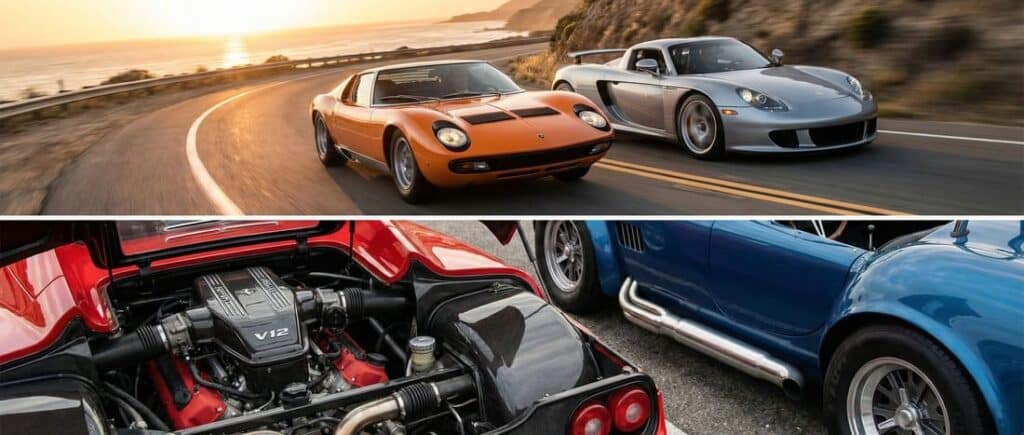
Modern performance cars are faster than ever. Safer, sharper, more efficient. Objectively better in almost every measurable way.
And yet, when one of the great old engines fires up, people stop talking.
There’s a reason videos of vintage cars still pull crowds and goosebumps. Before turbochargers muffled the soundtrack and regulations reshaped exhaust systems, engineers chased noise as part of the experience. Sound wasn’t a byproduct. It was a goal.
Some cars didn’t just move quickly. They sang.
Lamborghini Miura
The Miura sounds alive in a way modern supercars rarely do.
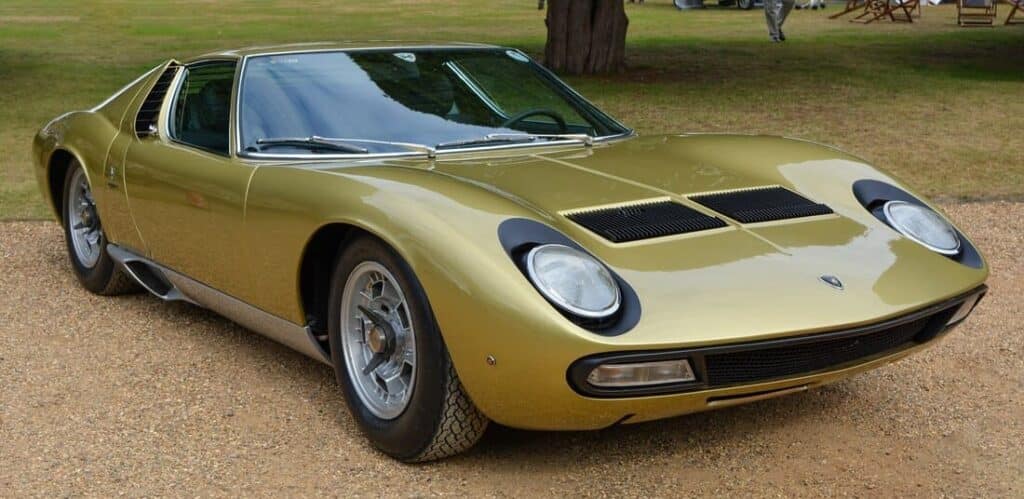
Its transverse V12 sits inches behind your head, inhaling through six carburetors and exhaling through a thin layer of metal that barely tries to quiet anything. At idle it chatters and pulses. At speed it becomes a mechanical orchestra—induction roar layered over a metallic wail that climbs endlessly toward redline.
There’s no digital filter. No sound engineering team. Just combustion and proximity.
It feels intimate, almost intrusive, and completely unforgettable.
Ferrari F50
The F50 exists for one reason: to put a Formula One-style V12 on the road.
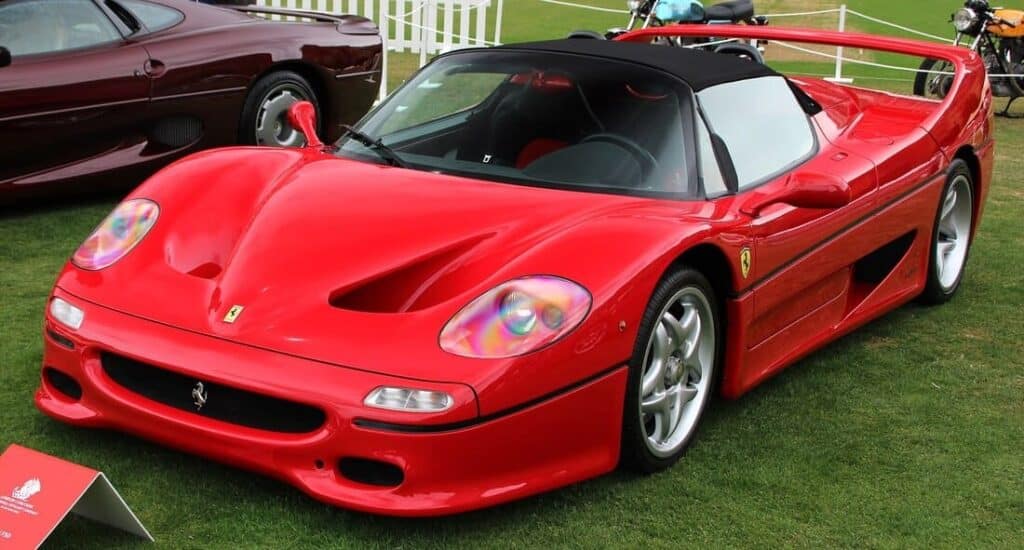
No turbochargers. No heavy insulation. Just a naturally aspirated engine derived from Ferrari’s 1990 F1 program, bolted into a carbon tub and given license plates.
Below 4,000 rpm it feels tense and mechanical. Above that, the tone changes completely. The engine doesn’t growl—it sharpens. By the time the needle sweeps toward redline, the sound turns razor-thin and ferocious, like it’s slicing through the air rather than pushing it aside.
It’s less exhaust note, more event.
Porsche Carrera GT
Ask ten enthusiasts about the greatest engine sound ever recorded and the Carrera GT will show up in most conversations.
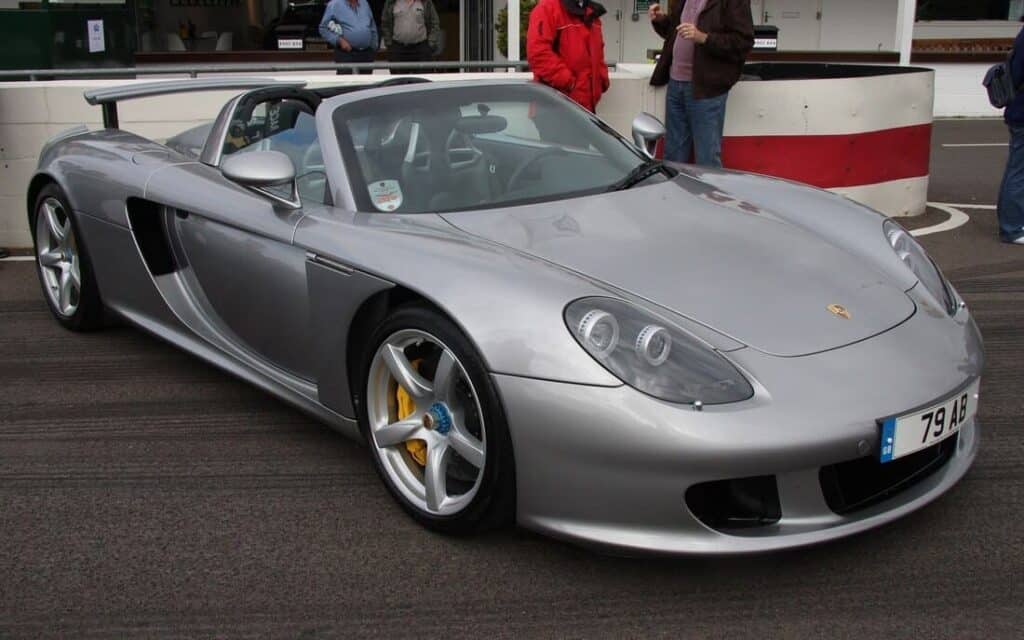
The V10 started life as a racing engine. Porsche detuned it for the road, but “detuned” is doing a lot of work in that sentence. It still revs with a kind of urgency that feels borderline impatient.
The clutch is infamous. The driving experience demands respect. But the sound—that soaring, metallic howl climbing past 8,000 rpm—is pure reward. No turbo whistle, no synthesized enhancement, just mechanical fury echoing behind you.
It’s the sound of an era ending.
Shelby Cobra 427
Not all great car sounds are high-pitched and operatic. Some are thunder.
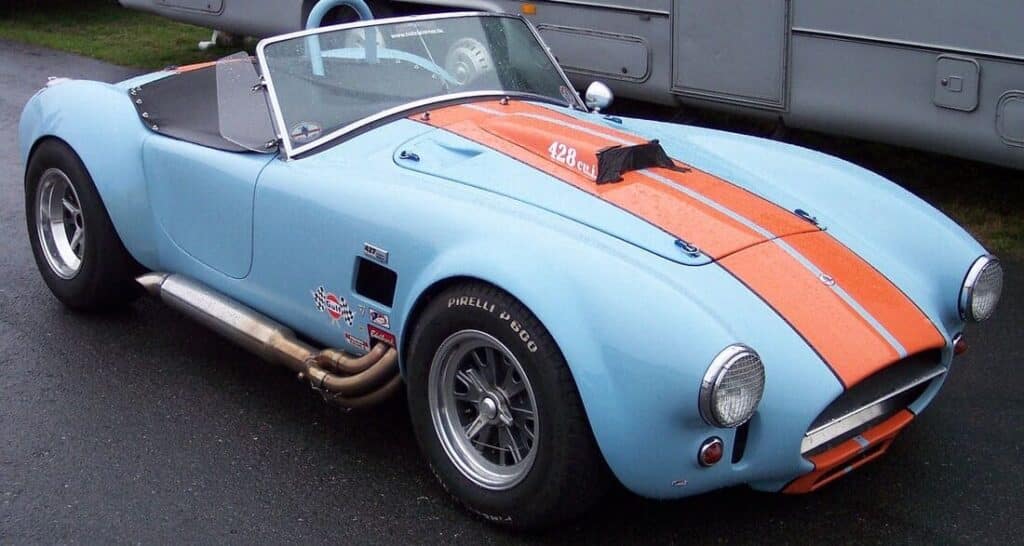
The Cobra 427 doesn’t scream; it detonates. A massive American V8 in a lightweight roadster produces a soundtrack that feels bigger than the car itself. The idle alone shakes the air. Blip the throttle and it barks like distant artillery.
Modern cars try to recreate this with active exhaust valves and cabin speakers. The Cobra does it with displacement and very little restraint.
It’s raw, unfiltered, and impossible to ignore.
BMW M5
The E60 M5 arrived in the mid-2000s with an idea that feels almost unbelievable today: a naturally aspirated V10 sedan revving to 8,250 rpm.
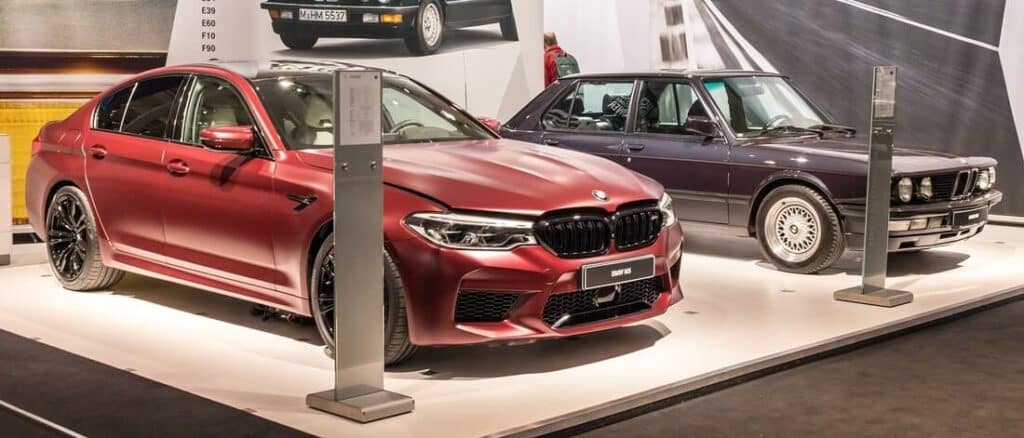
The S85 engine sounds nothing like a traditional luxury car. At low revs it hums quietly, almost politely. Then the revs climb and the tone transforms into a hard-edged wail that feels lifted straight from motorsport.
A family sedan that sounds like a race car. That kind of risk-taking feels rare now.
Why this era sounds different
Modern engines chase efficiency and emissions targets first. Turbochargers mute exhaust pulses. Particulate filters soften tone. Regulations measure noise with scientific precision.
The old cars were tuned by ear as much as by instrument.
Engineers cared about resonance, intake length, firing order, and the emotional reaction of the driver. Sound was part of the performance envelope, not a side effect to be managed.
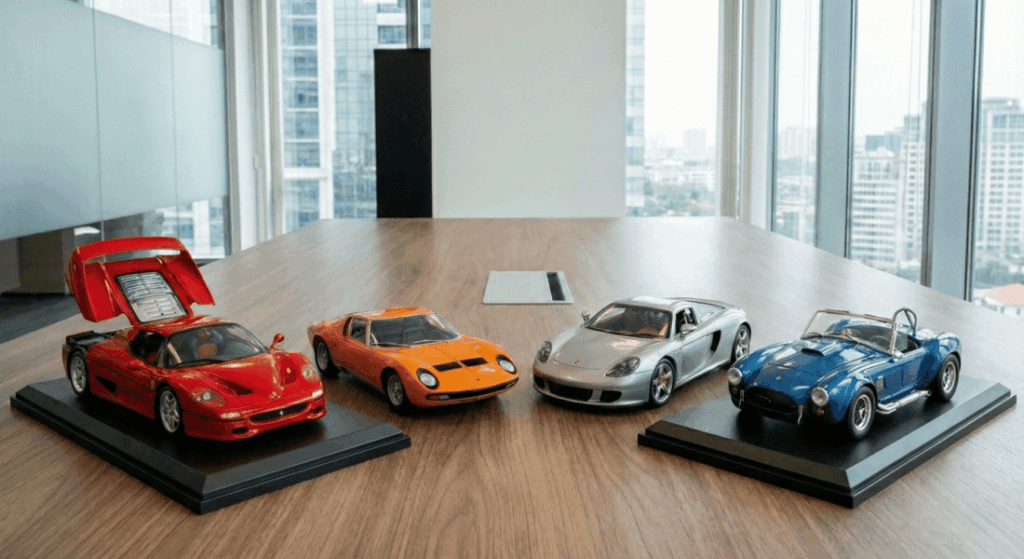
That philosophy left us with machines whose voices still echo decades later—whether heard on a mountain road, at a historic race, or preserved as finely crafted custom car models that remind us how powerful the emotional side of engineering can be.
Because speed impresses. Sound stays with you.