

Commercial aviation doesn’t reinvent itself often. Most changes arrive quietly, hidden inside engines, materials, and avionics. From the outside, modern airliners look broadly similar to the ones flying twenty years ago. Long wings, twin engines, familiar silhouettes.
But behind the scenes, the next leap is already taking shape. And the aircraft that may enter service in the 2030s could look noticeably different from the jets we know today.
The push for efficiency is reshaping everything
The biggest driver isn’t speed. It’s efficiency. Airlines want lower fuel burn, lower emissions, and quieter operations. Governments want cleaner skies. Passengers want comfort without higher ticket prices.
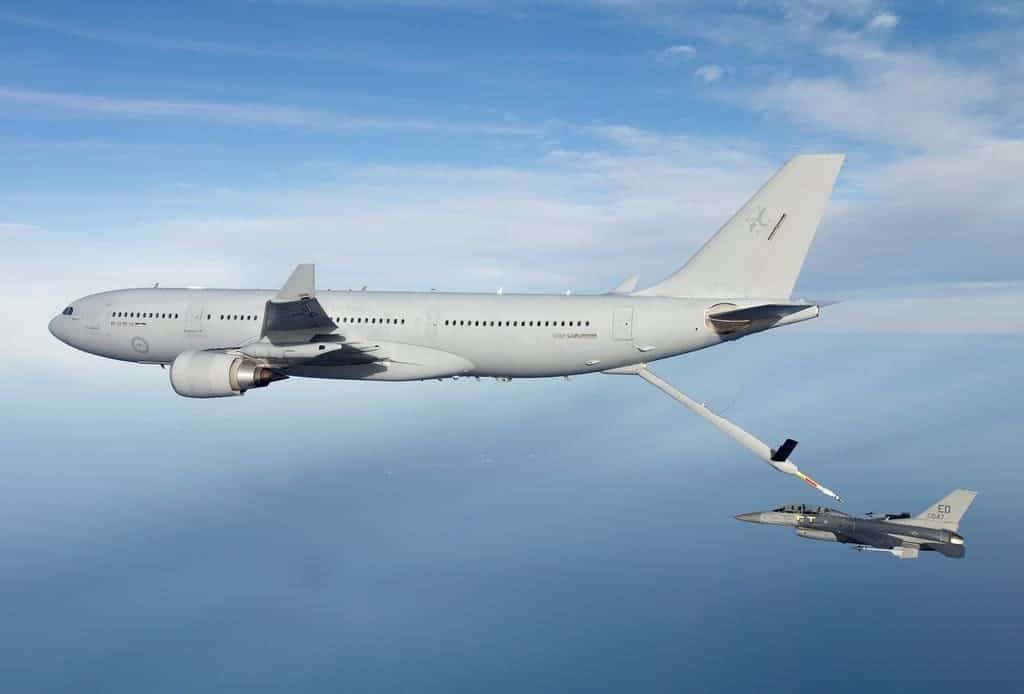
That combination forces designers to rethink fundamentals: wing shapes, propulsion, materials, and even how aircraft integrate with airports.
The next generation won’t be about flying faster. It will be about flying smarter.
Ultra-high aspect ratio wings are coming
Look closely at concept images from manufacturers and you’ll notice a pattern. Wings are getting longer, thinner, and more flexible. Engineers call this a high aspect ratio wing, and it’s one of the most powerful tools for reducing drag.
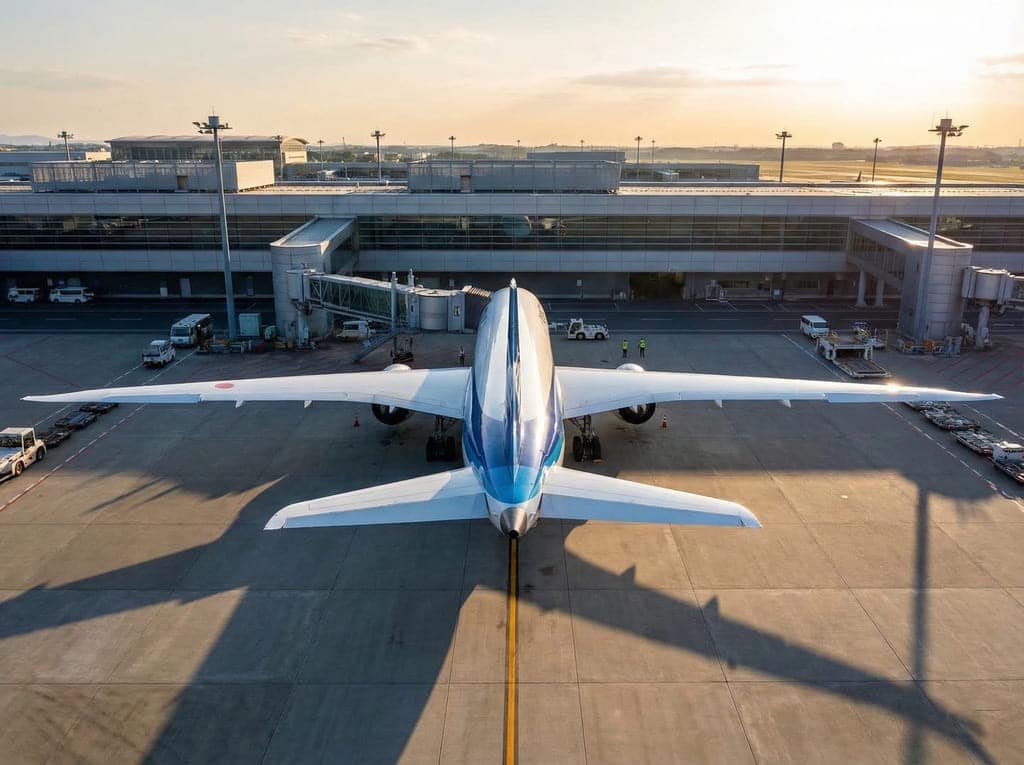
Longer wings create lift more efficiently, which means lower fuel consumption over long distances. The challenge has always been airport compatibility. Extremely wide wings don’t fit existing gates.
The solution may be folding wingtips that extend in flight and fold on the ground. It sounds futuristic, but early versions already exist today. The next decade could make them standard.
Open-fan engines could change the silhouette
Traditional turbofan engines are incredibly refined, but engineers believe the next big efficiency leap will come from open-fan or “unducted fan” designs.
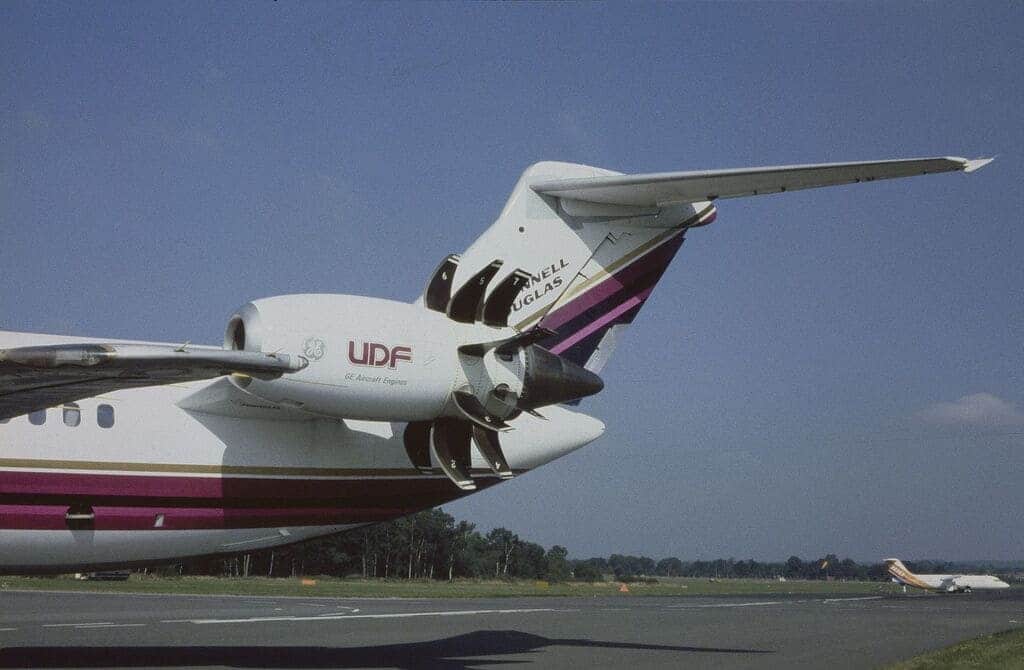
These engines look different. Large, exposed fan blades mounted outside a traditional nacelle. Slightly unconventional. Almost retro in appearance. But early testing suggests significant fuel savings compared to current engines.
If they reach commercial maturity, the next generation of airliners may sound and look subtly different on the ramp.
Materials are still evolving quietly
Composite materials transformed aircraft like the Boeing 787 and Airbus A350. That shift isn’t slowing down. Future aircraft will likely use even more advanced composites and manufacturing techniques.
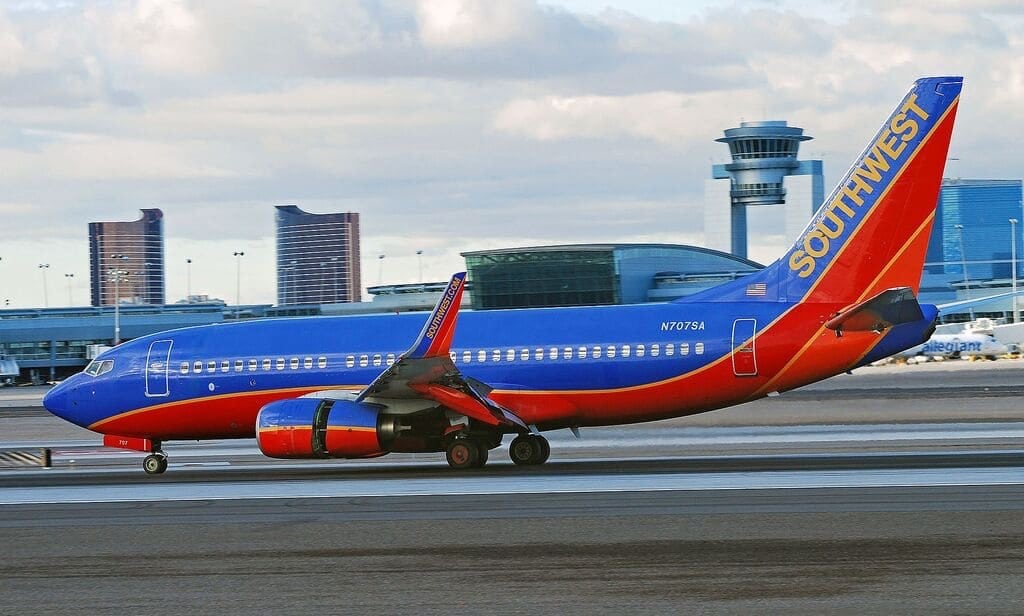
Lighter structures mean lower fuel burn. Smoother surfaces mean less drag. Improved durability means lower maintenance. None of this is flashy, but it adds up to aircraft that operate more efficiently over decades.
From the passenger cabin, the changes may feel subtle. From an engineering perspective, they’re enormous.
Hybrid and sustainable fuel integration
Fully electric long-haul aircraft remain distant, but hybrid systems are being explored seriously. Future aircraft may use electric assistance during taxiing, climb, or descent phases. Sustainable aviation fuels are also becoming central to long-term planning.
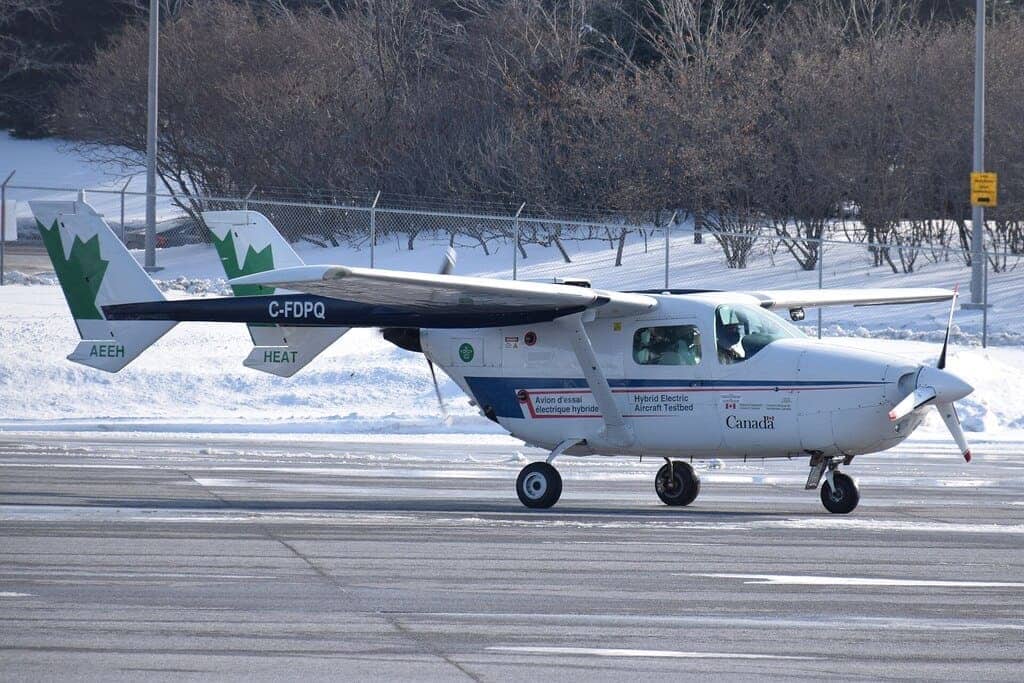
The 2030s aircraft may not look radically different from today’s jets at first glance, but the way they consume energy could change dramatically.
A quieter passenger experience
Next-generation designs place strong emphasis on noise reduction. Quieter cabins. Reduced external noise around airports. Smarter airflow management. Even cabin pressurization systems are evolving to reduce fatigue on long flights.
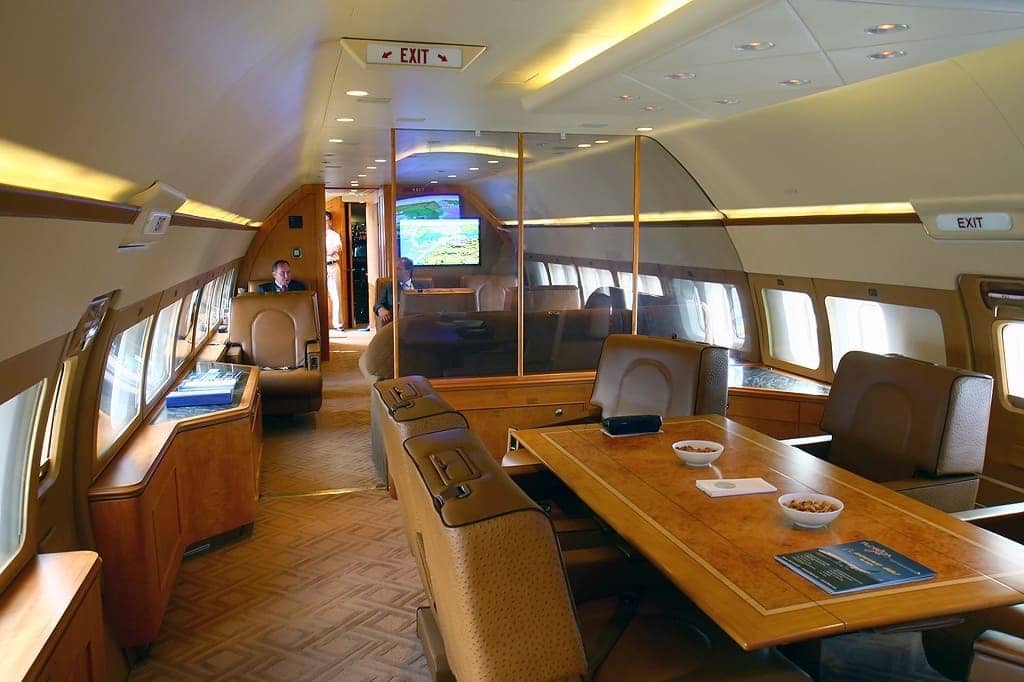
Passengers may not notice dramatic visual changes, but they will notice how the journey feels.
Why the next generation won’t look revolutionary — but is
The next leap in commercial aviation won’t arrive as a dramatic, futuristic leap overnight. It will look familiar. Familiar enough to feel safe. Familiar enough to fit into existing infrastructure.
But beneath that familiar shape will be a completely new approach to efficiency, sustainability, and long-term operation.
That’s how aviation usually evolves: quietly, deliberately, and with decades of planning behind every visible change.
A new chapter is already forming
By the time the 2030s arrive, the first wave of these next-generation passenger aircraft could begin entering service. They won’t replace current fleets overnight. They’ll join them gradually, proving themselves one route at a time.
And years later, when they become the new normal, people will look back and realize the shift had already begun long before the first passenger stepped onboard.
That’s the nature of aviation progress. It rarely arrives loudly. But when it arrives, it changes the sky for decades.