

There’s a certain sound that only a real muscle car makes. Not just loud. Not just fast. It’s that uneven idle, the mechanical honesty, the sense that the engine isn’t politely contained so much as barely restrained. You don’t hear it. You feel it.
Classic muscle cars weren’t built to be perfect. They were built to be thrilling. That’s why decades later, they still matter.
This isn’t a museum list. These are the cars that shaped the culture, rewrote expectations, and left tire marks across generations.
1. 1969 Dodge Charger R/T

Few cars own the road visually the way a ’69 Charger does. Long hood, hidden headlights, fastback roofline. It looks fast standing still. Under the skin, the 440 Magnum and available 426 HEMI made it genuinely serious.
It became a cultural icon through film and television, but the design alone would’ve carried it into legend status. You sit low, the dash wraps around you, and everything feels oversized and unapologetic. Exactly as it should.
2. 1970 Chevrolet Chevelle SS 454
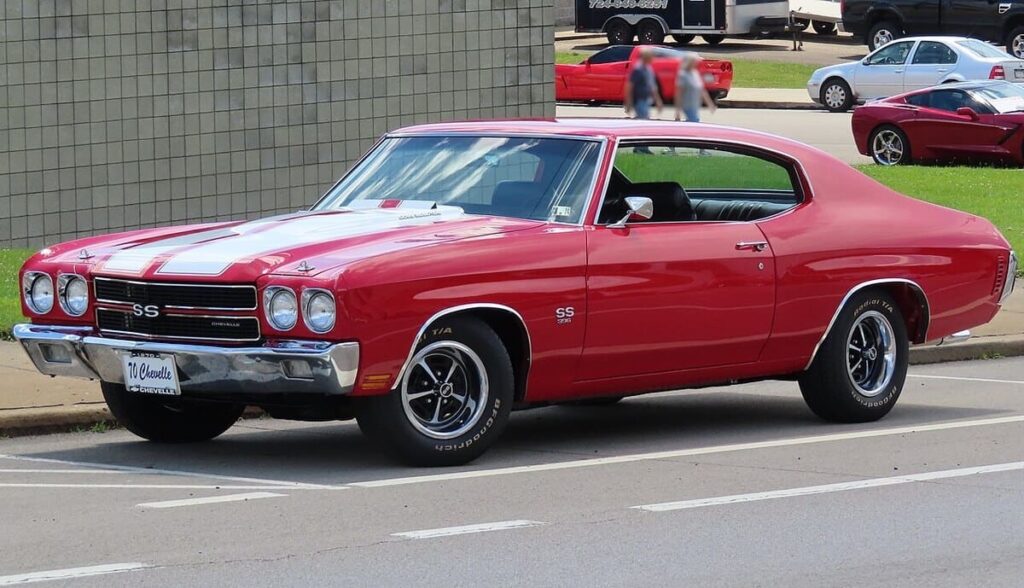
This is what happens when restraint leaves the building. The LS6 454 produced officially around 450 horsepower, though most enthusiasts agree the real number was higher. It wasn’t refined. It wasn’t subtle. It was brutally effective.
The Chevelle SS feels like raw intent on four wheels. Big torque, minimal filters between driver and drivetrain, and styling that balances aggression with simplicity. No wonder clean examples are now treated like investment pieces.
3. 1967 Ford Mustang Shelby GT500
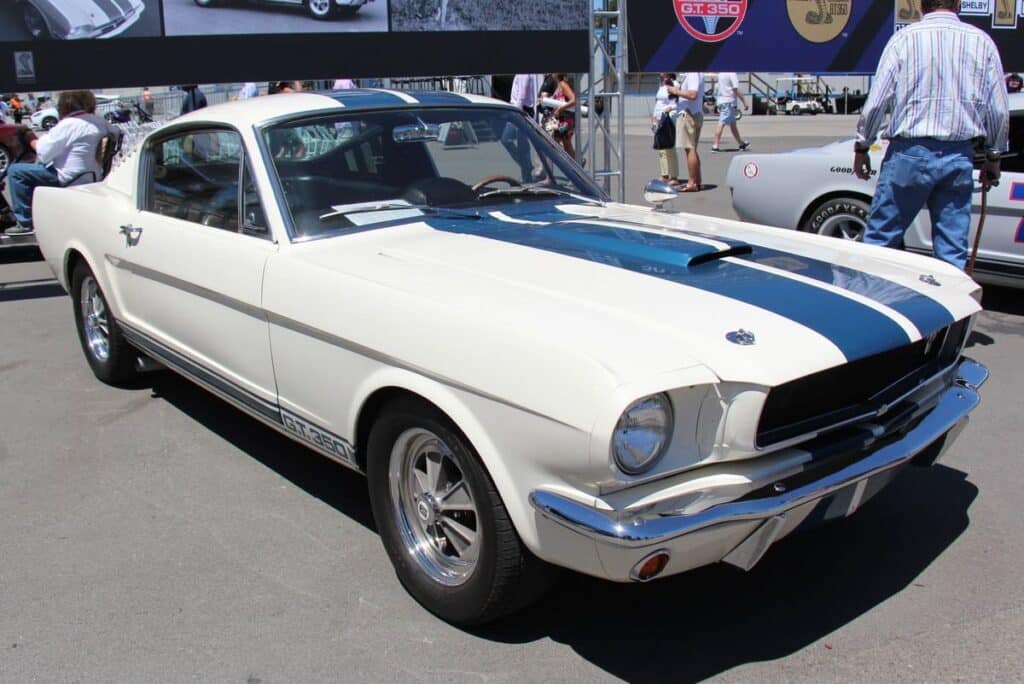
Carroll Shelby knew exactly what he was doing. Take a Mustang, remove the polite parts, add aggression, and give it the heart of a race car. The GT500 didn’t just look special. It was special.
Long nose. Deep stripes. Side scoops that actually felt purposeful. And that thunderous big-block presence that made it clear this wasn’t built for grocery runs. It’s the kind of car that still feels alive even when parked.
4. 1971 Plymouth Hemi ’Cuda
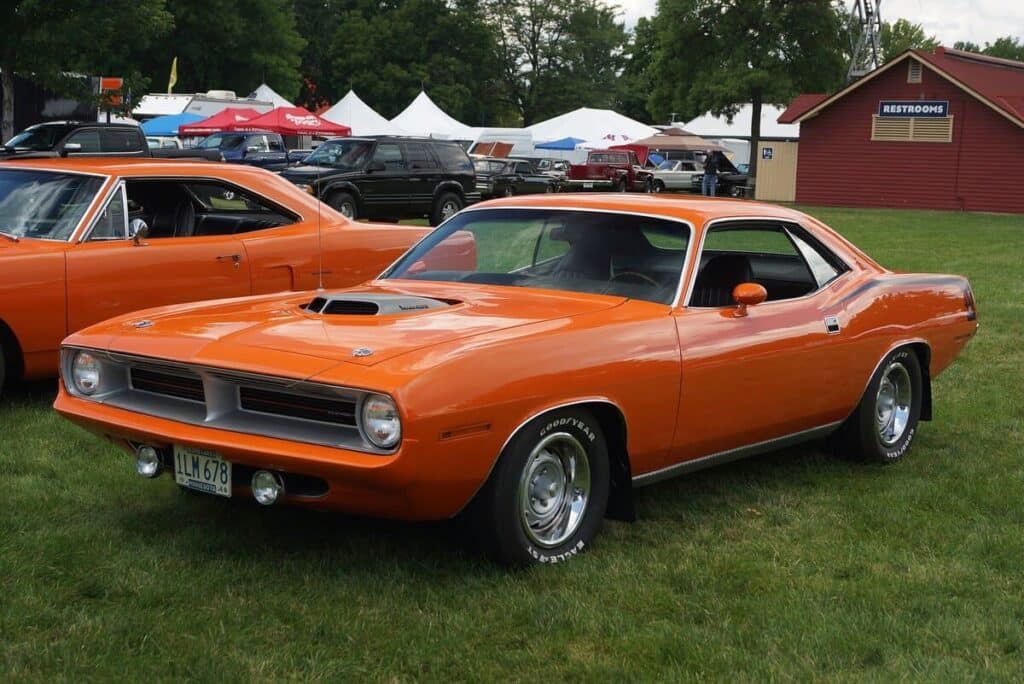
Rare. Expensive. Mythical. The Hemi ’Cuda sits at the top of most collectors’ lists for a reason. It represented the peak of the horsepower wars just before emissions regulations and fuel crises reshaped everything.
Wide stance, shaker hood, cartoonishly aggressive proportions. The 426 HEMI under the hood wasn’t marketing fluff. It was one of the most serious engines ever dropped into a street-legal production car. The fact that so few were built only deepens the aura.
5. 1969 Pontiac GTO Judge
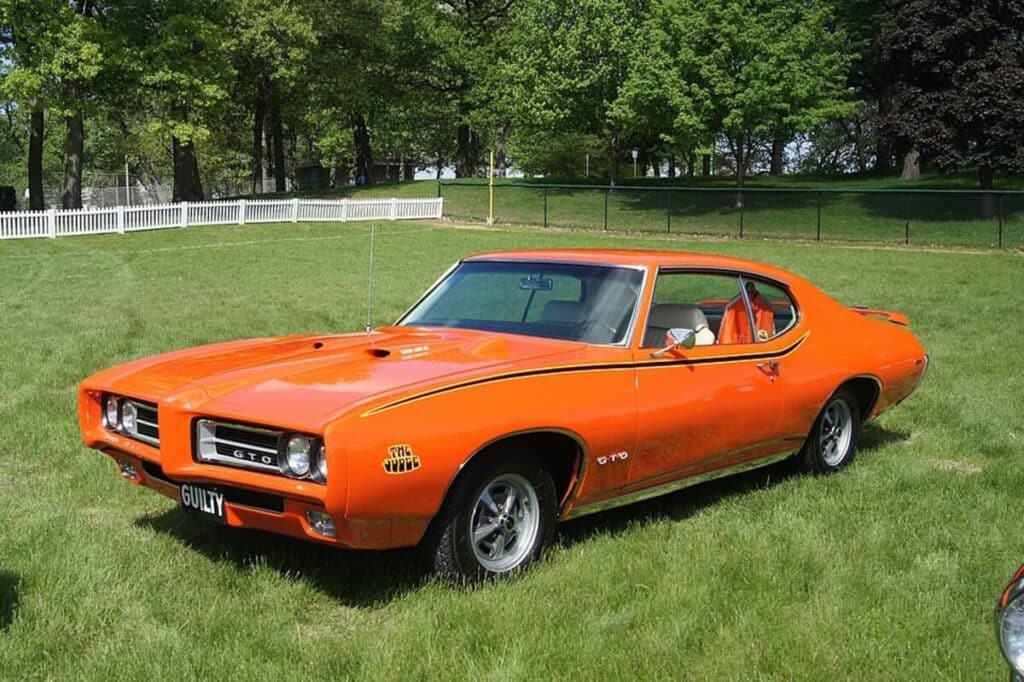
Pontiac didn’t invent performance, but they packaged it brilliantly. The GTO Judge combined attitude, performance, and personality in a way few cars managed. Bright colors. Decals that didn’t pretend to be subtle. A name that dared you to challenge it.
The Ram Air engines gave it credibility, not just style. It felt like a car designed by people who loved driving, not committees studying market data.
6. 1970 Dodge Challenger R/T
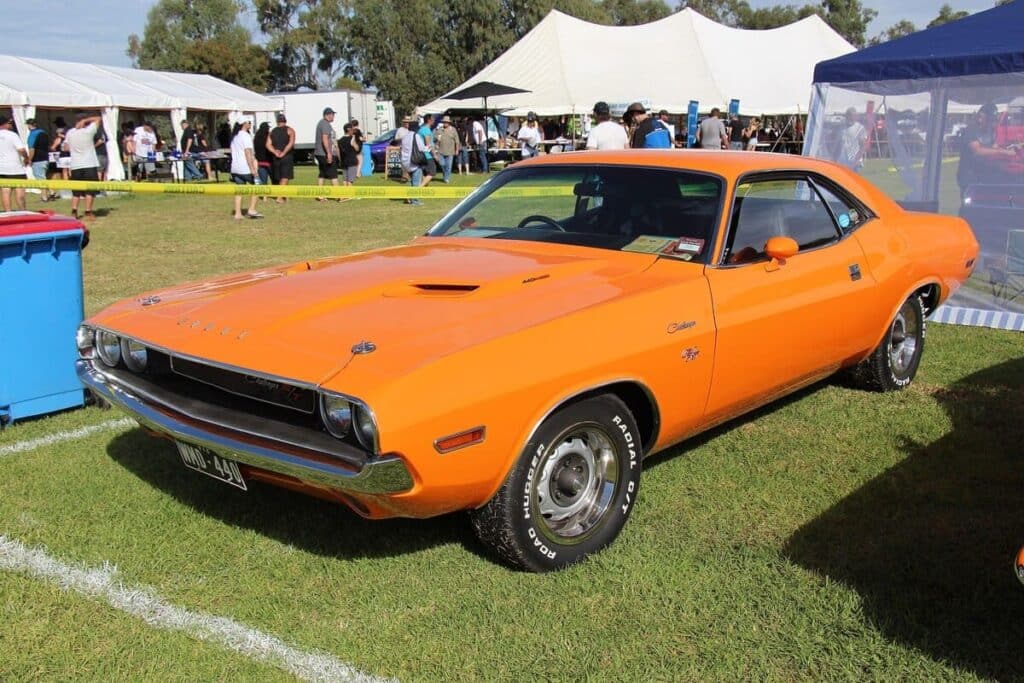
The Challenger was late to the party, but it arrived with presence. Bigger than the Mustang. More aggressive than the Camaro. Available with a range of engines that went from respectable to borderline absurd.
There’s a heaviness to the Challenger that works in its favor. It feels like a muscle car should feel. Solid. Confident. Slightly dangerous if you don’t respect it.
7. 1968 Chevrolet Camaro Z/28
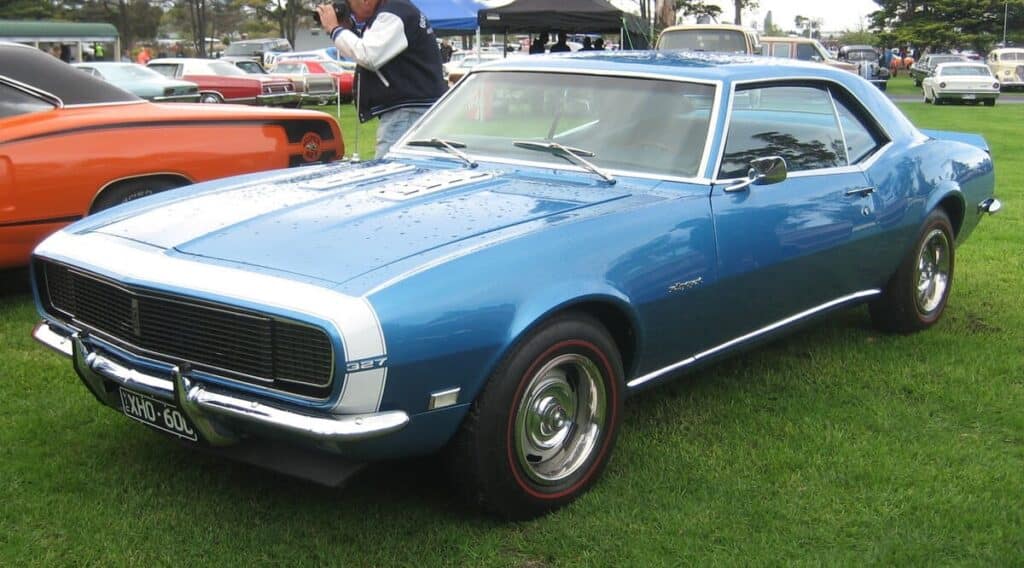
Not all muscle is about straight-line dominance. The Z/28 brought balance to the conversation. High-revving small-block, sharper handling, and a car that felt like it wanted corners as much as it wanted speed.
It appealed to drivers who actually cared about how a car behaved, not just what it did at the stoplight. That dual personality is why the Z/28 lineage still holds weight today.
Why these cars still hold us
Modern performance cars are faster by every measurable metric. More grip. More power. More technology. And yet, something’s missing.
Classic muscle cars are imperfect in a way that feels honest. No traction control saving you from bad decisions. No digital filters between foot and throttle. You feel every vibration, every shift, every consequence.
That’s also why collectors gravitate toward them. A precise scale model of a ’Mustang or a Hemi ’Cuda captures something photos can’t — the stance, the proportion, the attitude. A custom airplane model does this for aircraft history. A custom car model does it for automotive heritage. Different machines, same instinct: preserve the soul of mechanical history in physical form.
The best classic muscle cars of all time weren’t just transportation. They were statements. Of freedom. Of rebellion. Of engineering pushed just far enough to be thrilling.
That’s why they still matter. Not because they were perfect. Because they were alive.
There were four muscle car manufacturers during the muscle car era, what about AMC’s Javelin AMX? In stock form raced by Mark Donohue and the Penske Team in NASCAR and Grand Am races usually beating out the Big Three you illustrate in your list. How is it Mustang is there twice, with a recent built car, not a car from the muscle car era, your Ford bias is obvious.
Great point — and you’re absolutely right to call out the importance of the AMC Javelin AMX. The Donohue/Penske Javelin program was a serious force in Trans-Am, and AMC’s contribution to the muscle car era deserves more recognition than it typically gets.
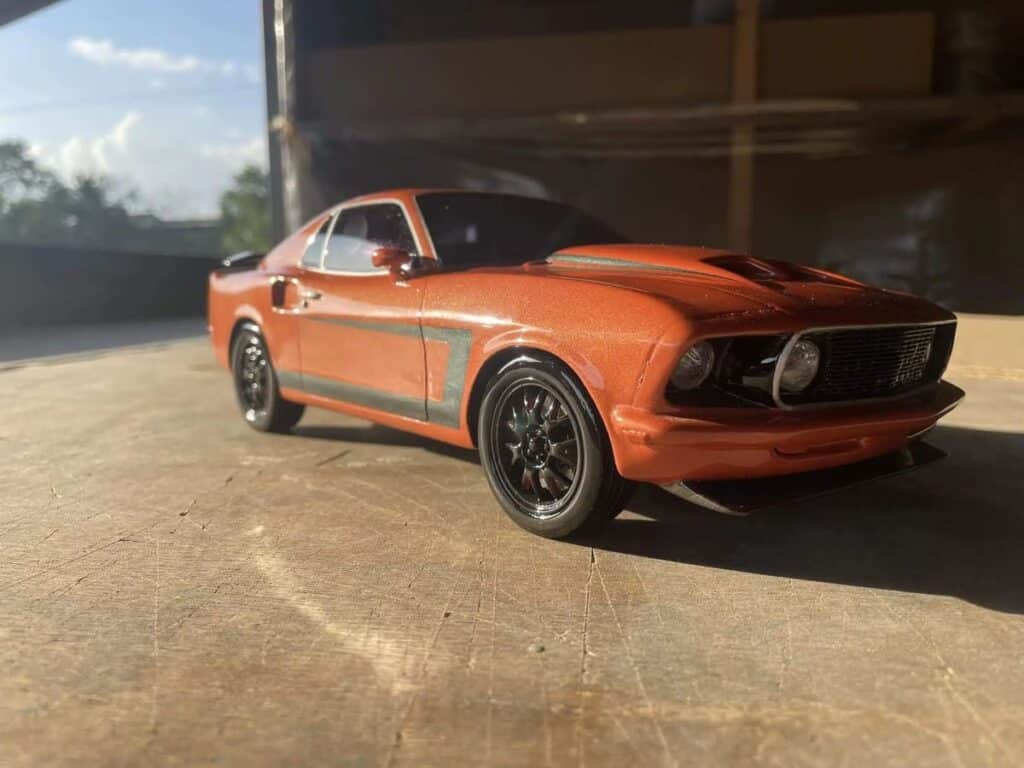
Just to clarify one thing: the Mustang is not listed twice as a separate muscle car entry in the article. One of the images shown is a detailed wooden scale replica featured alongside the content (as part of our model showcase), not an additional vehicle included in the ranking.
There’s no Ford bias intended — the goal of the blog is to celebrate legendary performance across the entire muscle car era. Feedback like yours is exactly what helps make the content stronger, and we appreciate you bringing AMC’s legacy into the discussion.
Thanks for pointing out the wooden Mustang replica, looked like the real deal from the photo.
Glad you caught that, Henry — our craftsmen would take that as a huge compliment. That level of realism is exactly what we aim for. Appreciate you taking the time to engage with the article.
BTW, I am the original owner of a 1972 Javelin AMC w/401, have had zero problems with it since new, only tune ups done by me alone, thanks to AMC’s quality build. A joy to drive and looks good too.
That’s incredible, Henry — original owner of a ’72 Javelin 401 is something special. Zero issues over all those years says a lot about AMC’s engineering and build quality. Those cars are seriously underrated, and the 401 is a beast in its own right. Sounds like you’ve got a true survivor and a piece of muscle car history. Thanks for sharing that story.
Detroit steel 67 stingray vette any big block take your pick.
No argument there — a ’67 Stingray with a big-block is pure Detroit muscle royalty. The L36, L68, and especially the L71 427s delivered brutal performance with styling to match. That combination of raw power, sound, and presence is exactly why the C2 Corvette still holds legendary status today.
69 charger over the 70 chevelle? Idk about that the 70 SS ls6 was and still is the king.
That’s a fair take — the 1970 Chevelle SS LS6 is absolutely in the conversation for the crown. With its 450-hp 454, brutal torque, and quarter-mile dominance, it earned its legend the hard way.
Our placement of the ’69 Charger leans more toward cultural impact and overall legacy (design, presence, recognition), not just raw performance numbers. But if the list were based purely on power and strip performance, the LS6 Chevelle would easily sit at the very top.
That’s what makes this era so great — there are no wrong answers, only strong opinions and iconic machines.
My absolute 2 favorite muscle cars. The GOATS. I’m not going to lie, I lean more towards the Charger because I grew up with one and still have it today. But to back that up, the Charger is the reason that there are governors on cars today because they hit over 200mph and killed the competition hands down. The elephant is the most potent engine available and as much as I love the 70 Chevelle and the monster 454, the Charger is bigger, heavier and still a threat to it, and that says a lot. It’s the General Lee lol, that’s hard to top.
That’s a legendary story — and the fact you still own your Charger makes it even better. Real history, not just nostalgia.
You’re absolutely right: the big-block Mopars, especially with the 426 HEMI (“the elephant”), were no joke. Massive power, brutal torque, and a body that somehow made all that weight look effortless. The idea that something that large could still be a genuine threat to lighter cars like the LS6 Chevelle says everything about how serious those machines were.
And honestly, emotional connection matters just as much as performance stats. Growing up with a Charger, still driving one today… that kind of bond is hard to top. The General Lee effect just sealed its place in muscle car mythology.
Out of curiosity (and purely as a fellow enthusiast), is your Charger more of a stock survivor or a built project?
I didn’t hear any mention of any earlier models of true pure muscle cars like the 64 Fairlane (Thunderbolt) 427 Cid 654 Hp. Pure muscle. Another car to consider was the Rambler Scrambler with that big 390 Cid 425 Hp Awsum. Even the early big block Novas true romper and stompers these are what started the musel car era.
You’re absolutely right, Samuel — those early cars deserve serious respect. The ’64 Fairlane Thunderbolt was basically a factory-built drag weapon, and the Rambler Scrambler with the 390 was wildly underrated for its time. Same goes for the early big-block Novas — lightweight bodies with brutal power long before “muscle car” became a marketing term.
You make a great point that these cars helped define the muscle car era, not just follow it. That era’s roots run deeper than most lists give credit for, and comments like yours add real depth to the conversation. Appreciate you bringing that knowledge here.
Yep…I had the 427 side oiler in my 68 Cougar. Same engine they were putting in GT 40 and Cobra!
1966-67 427 427 425 Horse Power Corvette!
Absolutely — the ’66–’67 427 Corvette (especially the L71) is pure legend. 425 horsepower, brutal torque, and that C2 body make it one of the most complete performance packages of the entire era. Hard to argue with that choice.
I had a 68 Olds 442 convert. Roommate had 69 Mach 1 428 cj. In 69/70 ford came out with 429 Boss and in 70 they made a kr500. All were fun and mean. Chics liked my convert.
That’s a serious lineup of legends, Darrell. A ’68 442 convertible is pure class with muscle, the 428 CJ Mach 1 was a street brawler, and when Ford dropped the Boss 429 and the KR-500 into the mix, things escalated fast. Those were loud, fast, and unapologetically mean cars — exactly how the era should be remembered.
And hey, a 442 convertible? Yeah… no surprise it got plenty of attention.
There is tons of great cars from that era. How about 67 fairlanes or 65 gto? The late 60s early 70s vettes were no joke. Shelby cobra? You already have a few chevys and dodges. Im very partial to Fords as im sure you can see. Torinos were great cars that always get overlooked for Chevelles. Pontiac not getting much love either. Amc?
You’re absolutely right — that era was stacked with greatness across every brand. The ’65 GTO practically wrote the muscle car rulebook, the ’67 Fairlanes were serious sleepers, and late ’60s/early ’70s Corvettes were anything but subtle. A Shelby Cobra in the mix? That’s almost unfair to everything else.
Torinos are a great call too — they’ve always lived in Chevelle’s shadow despite being genuinely strong cars. Pontiac, AMC, and plenty of others definitely deserve more spotlight than they usually get in mainstream lists.
And hey, nothing wrong with being partial to Fords — every enthusiast has their lane. That passion is exactly what makes conversations like this fun.
My name is Derrick Drexlhr and I’ve had a 71 roadrunner and a ,71 el camino and a 85 IROC AND A 78 Firebird and a 80 challenger and a 75 Duster and a 78 924 Porsche and a 64 El Camino and a 80 Cutlass and a,84 Z28 a 78 mustang and a 78 and 80 Grand Prix and a 78 Chevelle and PRAISE THE LORD ‼️ The time of my life
That’s an incredible garage history, Derrick — what a lineup. Road Runner, IROC, Firebird, Z28, El Caminos, Challenger, Duster, even a 924 Porsche… you’ve lived through some of the best chapters of automotive history firsthand.
Stories like that are exactly why so many enthusiasts like to keep a small reminder of their favorites around — not for show, but because certain cars just carry memories that never really leave you. Sounds like you’ve had more than a few worth remembering. Thanks for sharing that.
While it didn’t make your list of “muscle cars,” was the little Dodge Dart. I owned a ‘69 Dart, a by doing a simple thing like adding headers really made a difference in performance, especially if they were uncorked.
Great call, Mark. The ’69 Dart is one of those underrated street terrors — light body, plenty of attitude, and incredibly responsive to simple mods like headers and exhaust. A small change could wake those cars up in a big way, especially when you let them breathe.
Not every legend makes every list, but the Dart absolutely earned its reputation on the street. Appreciate you bringing that one into the conversation.
What about the 1968 Oldsmobile Toronado ?
I have 7 of them and they run great.
They are real show stoppers at carshows and on the highway.
Seven ’68 Toronados? That’s an incredible collection. Those cars were bold, ahead of their time, and absolute show stoppers — no surprise they get attention everywhere they go.
Honestly, cars with that kind of presence are exactly the ones that deserve to be preserved beyond just photos.
A well-done replica of a personal favorite can be a really meaningful way to capture that legacy, especially when you’ve owned and cared for them like you have.
I’m just a softy for that old metal, I’ll mention just a few , 65 comet427 , 66 GS Buick 401 ,4 spd. 55 Olds 324 super 88, , I’ve owned a bunch of hot rods in my lifetime but these were factory hosses in there day and a ton of fun to drive. I owned a 65 comet but mine was a 289 car it would do donuts till it floated the valves lol
You’ve got great taste, Sid. A ’65 Comet, GS 401, and a Super 88 are serious factory muscle before the term even became mainstream. Those were real driver’s cars — raw, mechanical, and built to be enjoyed.
And that story about the ’65 Comet 289 doing donuts until it floated the valves? That’s exactly the kind of memory modern cars just can’t recreate. Sounds like you didn’t just own cars — you used them the way they were meant to be used.
My first car was a 59 MGA convertible. My second car was a 63 Chevy supersport 327 4-speed Muncie. My third car was a 69 Chevelle. All of them were so much fun, but I liked my friends. 68 roadrunner the best. And I had another friend with it. 64 GTO 389. Three deuces what an era and so much fun.
What a lineup, Morris — that’s an incredible journey through one of the greatest eras of driving. A ’59 MGA, a ’63 SS 327 with a Muncie, and a ’69 Chevelle… that’s already legendary. And it says a lot that the ’68 Road Runner and the ’64 GTO tri-power still stand out in your memory — those cars had real personality, not just horsepower.
It really was a special time when cars felt raw, mechanical, and full of character. Sounds like you didn’t just own great cars — you lived the era. Thanks for sharing those memories.
I grew up with v8 Mustangs and own a GT now.
When I turned 18 after already having owned several mustangs, I bought a ’66 Fairlane GT from my neighbor.
390, Holley 4b, toploader 4 speed. It was orange exterior with orange vinyl interior and a white convertible top.
I was in heaven!
That’s an incredible memory, David — a ’66 Fairlane GT convertible with a 390 and a Toploader is pure muscle car magic. The orange-on-orange with the white top sounds like something straight out of a perfect summer day. No wonder you say you were in heaven.
Cars tied to moments like that tend to stay with you for life. It’s why a lot of enthusiasts end up wanting something tangible that keeps those memories close — even years later. A
well-done replica
of a car like that isn’t just about the car itself, it’s about preserving a story like yours.
I’m greg,I grow up with a black 1960 Ford starliner with a 352 cid 3 speed on the tree 1964 ss turbo 327 3 speed on the tree 1968 Olds 455 cid 442 and 1970 chevelle ss 396 L78 it was a man
That’s one heck of a lineup, Greg. A black ’60 Starliner, a ’64 SS 327, a ’68 442 with the 455, and a ’70 Chevelle SS L78 — those aren’t just cars, those are core memories. Every one of them had real presence, real sound, and real attitude.
You grew up around the kind of machines that defined what American performance felt like. Sounds like you lived through the era the rest of us only get to read about. Thanks for sharing that.