
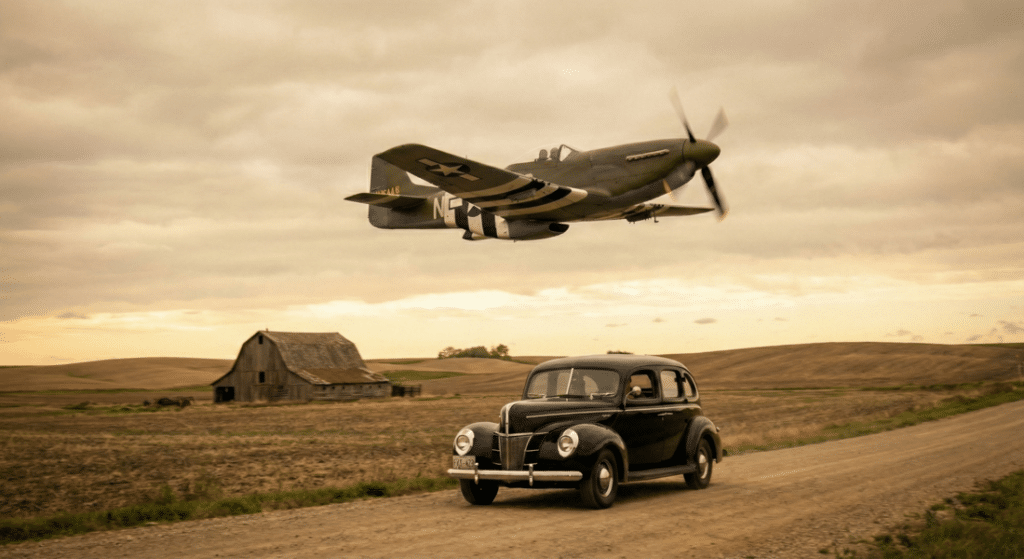
It sounds exaggerated at first. Airplanes are complex machines. Cars are everyday objects. Surely a car should be quicker to build than a fighter or bomber.
But during World War II, industrial reality flipped that logic upside down. By the middle of the war, some aircraft factories were producing airplanes at speeds that would have surprised modern manufacturers.
The reason wasn’t magic. It was urgency.
War forced factories to rethink everything
Before the war, aircraft production was slow and almost handcrafted. Skilled workers built airframes in small numbers. Precision mattered more than speed.
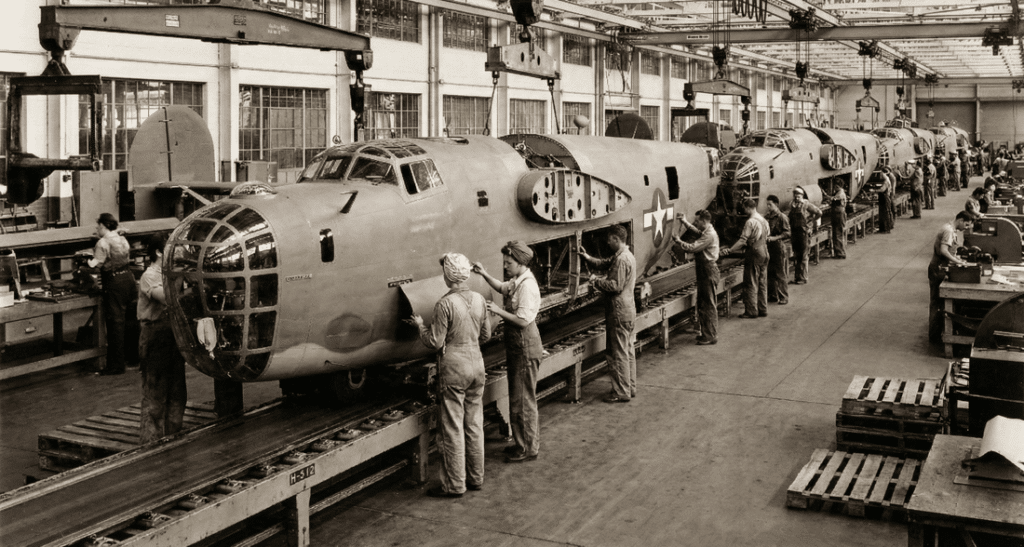
Once global conflict began, that approach simply couldn’t keep up. Air forces needed thousands of aircraft, not hundreds. Governments demanded production methods that looked more like automobile factories than traditional workshops.
So aviation borrowed the assembly line.
The B-24 Liberator and the factory that never stopped
Few examples capture this shift better than the Consolidated B-24 Liberator. Ford’s Willow Run plant in Michigan was designed specifically to mass-produce the bomber using automotive-style manufacturing.
At its peak, the factory produced one B-24 roughly every hour.
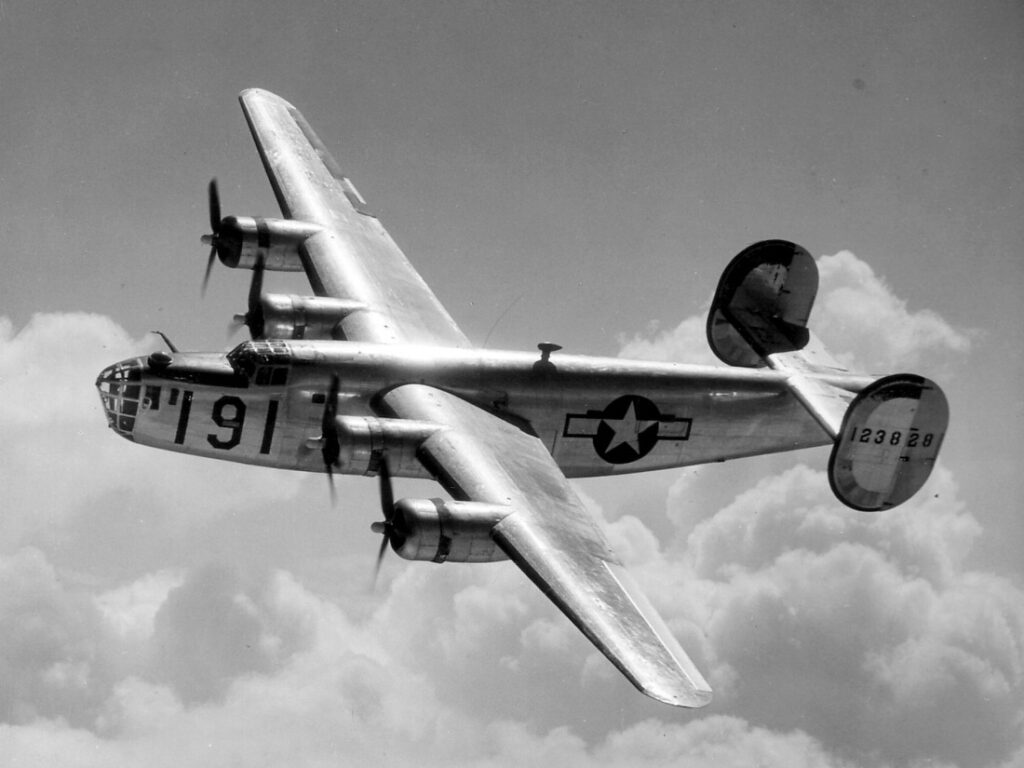
Think about that for a moment. A four-engine bomber, built at a pace that rivaled car production lines of the era. The plant operated around the clock, with workers and components moving in a continuous flow.
It was industrial scale applied to aviation in a way the world hadn’t seen before.
Simplicity became a strategic advantage
Aircraft designed for mass production often sacrificed elegance for practicality. Engineers simplified structures, standardized components, and reduced unnecessary complexity wherever possible.
The North American P-51 Mustang is a good example. While it became famous for performance, it was also designed to be built efficiently. Modular construction and clever engineering allowed factories to produce the fighter in huge numbers without slowing the line.
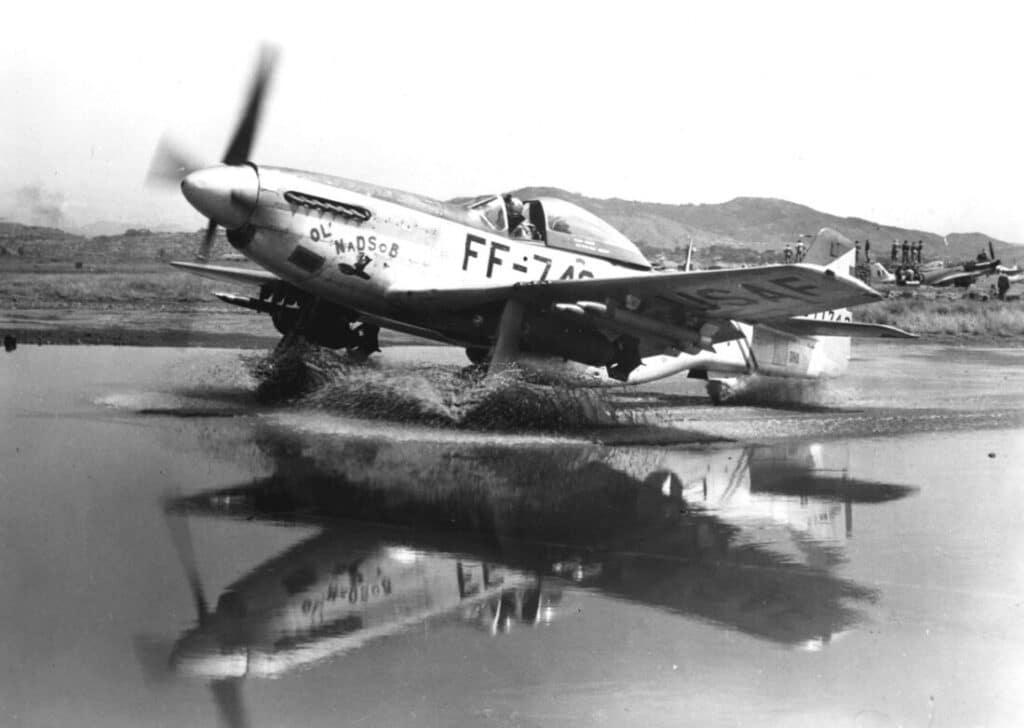
The goal wasn’t perfection. The goal was volume.
The Spitfire’s complicated contrast
Not every aircraft benefited from easy production. The Supermarine Spitfire, for example, had an advanced elliptical wing that delivered outstanding performance but required more time and effort to build.
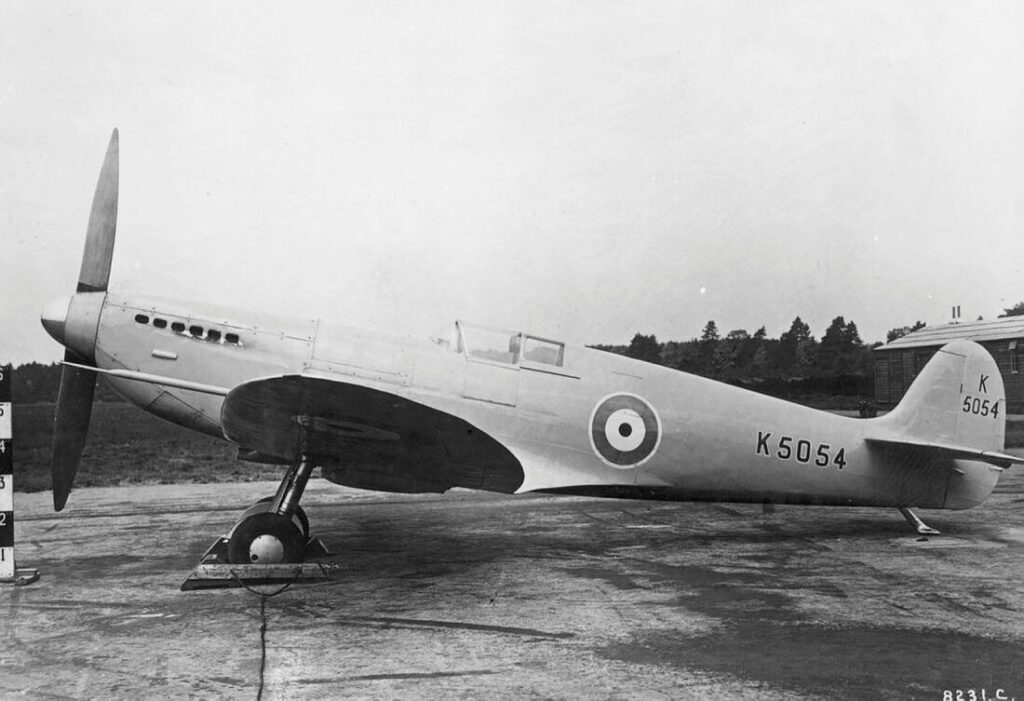
Even so, British factories pushed production to astonishing levels under wartime pressure. Civilian industries converted to aircraft manufacturing, and production spread across multiple facilities to keep numbers rising.
Speed mattered as much in the factory as it did in the air.
Workforce and scale changed the timeline
Millions of workers entered aircraft production during the war, many with no prior aviation experience. Training programs expanded rapidly. Manufacturing processes were simplified so new workers could contribute quickly.
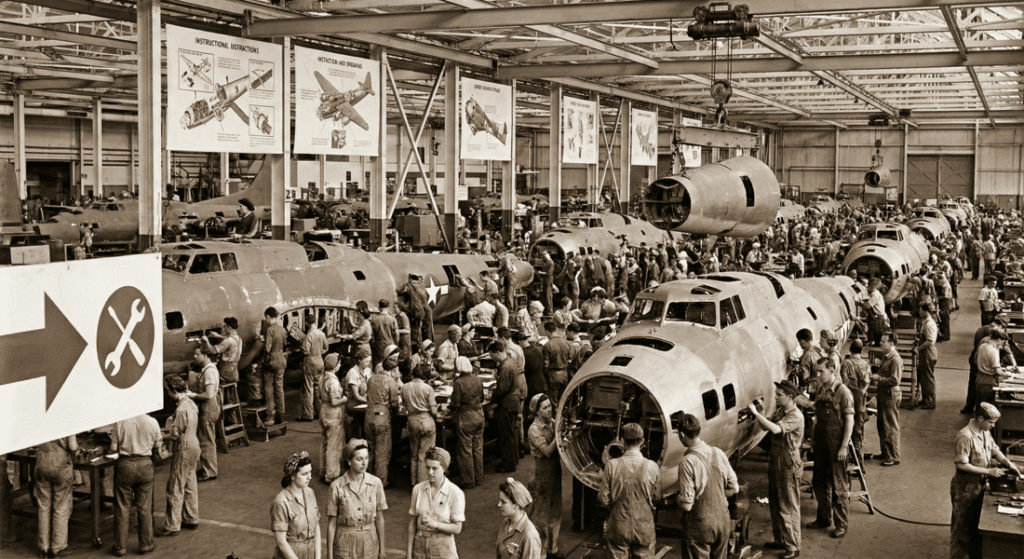
Entire communities formed around aircraft factories. Production became a national effort rather than a specialized industry.
The scale was unprecedented.
Why the comparison with cars actually makes sense
By the 1940s, car manufacturing had already mastered assembly-line efficiency. Wartime aircraft production borrowed those lessons and applied them to a completely different type of machine.
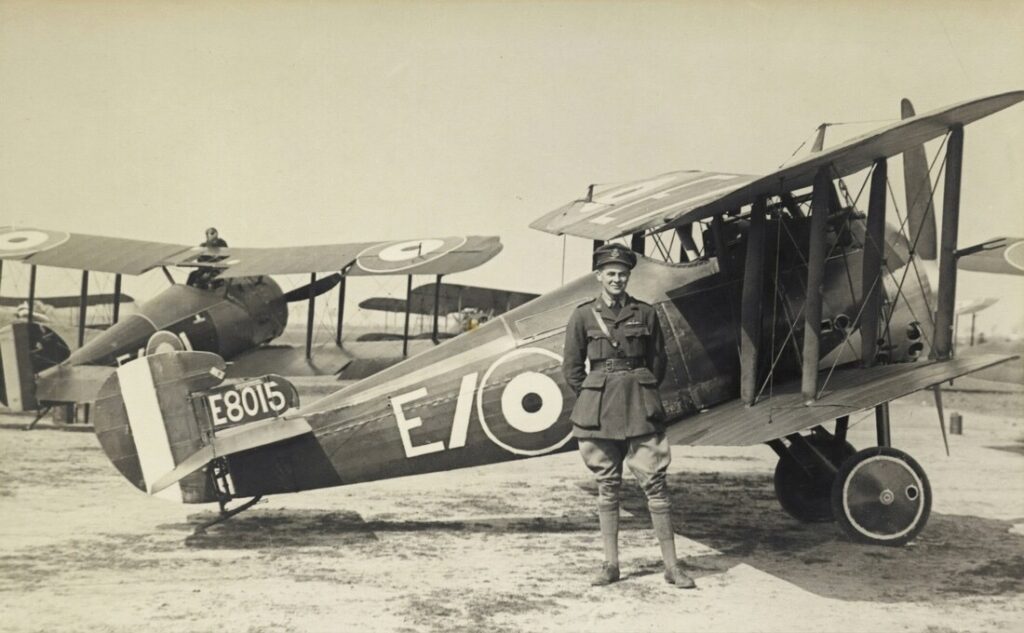
Once the systems were in place, production speeds became astonishing. In some cases, the time required to build an aircraft dropped dramatically as factories refined their processes.
The idea that planes could be built faster than cars no longer sounded impossible.
The legacy of wartime production
The manufacturing techniques developed during WWII reshaped aviation permanently. Postwar aircraft production never returned to the slow, handcrafted approach of the 1930s.
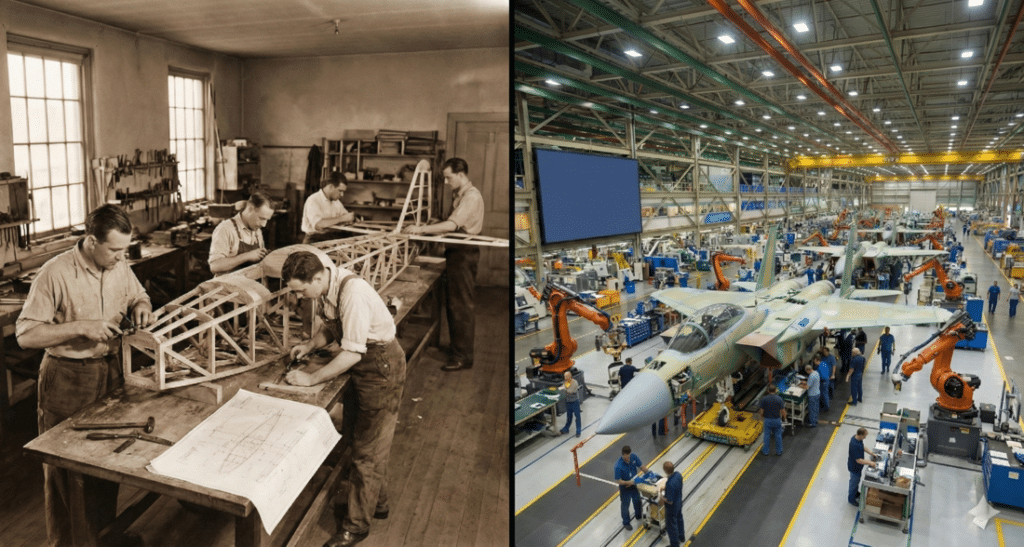
Modern aircraft are far more complex, but the foundation of large-scale production was built during those intense wartime years.
Why this era still fascinates enthusiasts
WWII aircraft represent a moment when engineering, industry, and urgency collided. The speed at which these machines were produced tells a story that goes beyond performance or combat.
For aviation enthusiasts, a model plane from this era often symbolizes more than an aircraft type. It reflects the factories, workers, and industrial momentum that made mass production possible.
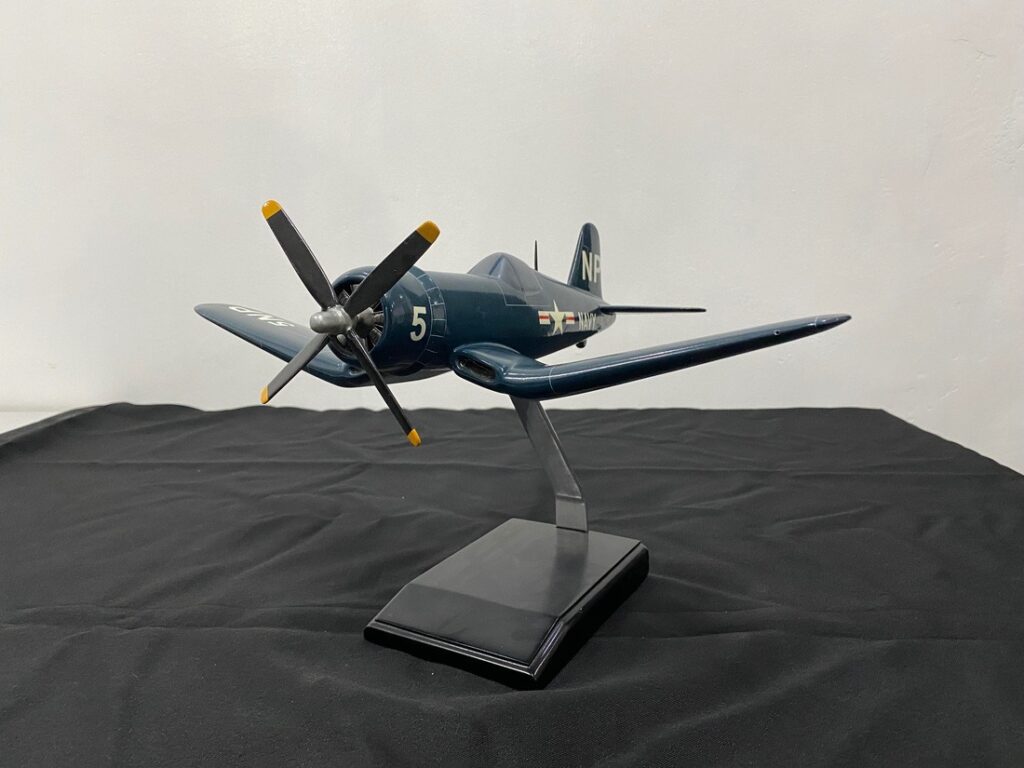
Because behind every aircraft that took to the skies, there was a production line moving faster than anyone had imagined possible.