
It’s strange how quickly humans get used to miracles.
You can sit in a metal tube on a rainy afternoon, watch the ground disappear, cross an ocean while eating dinner and watching a movie, and land somewhere with a completely different language and climate before your body clock even catches up. And somehow it feels normal.
It wasn’t supposed to feel normal.
Not long ago, the world was enormous
Go back just a little over a century and the idea of flying across the planet in a day would have sounded absurd. Crossing the Atlantic meant ships and patience. Traveling between continents required planning, money, and weeks of your life.
Distance used to shape the way people lived. Families stayed close. Business stayed local. Moving far away was a serious, often permanent decision.

Airplanes quietly loosened all of that.
Today it’s common to live in one country, work with people in another, and vacation somewhere else entirely. That shift happened so gradually that it feels like it was always meant to be this way.
It wasn’t.
Flight changed the speed of life
The biggest change aviation brought wasn’t just travel. It was timing.
Opportunities stopped being limited by geography. You could attend a meeting on another continent and be home days later. Medical supplies could reach disaster zones quickly. News, ideas, and cultures began moving at the speed of aircraft instead of the speed of ships.
The pace of the world sped up — and most people barely noticed it happening.
The invention that never really stopped evolving
One reason airplanes feel ordinary now is because they never stopped improving. Every generation of aircraft learned from the one before it. Better materials. Better engines. Better safety practices.
Mistakes became lessons. Lessons became changes. Changes became the new normal.
It wasn’t one invention. It was thousands of small improvements stacked on top of each other until flight became routine.
And routine is the fastest way for something extraordinary to feel ordinary.
The emotional side of aviation
Even now, people still look up when they hear an aircraft overhead. Airports still have observation windows. Children still stop what they’re doing to watch takeoffs.
That reaction says something.
Flying didn’t lose its magic completely. It just moved into the background of everyday life.
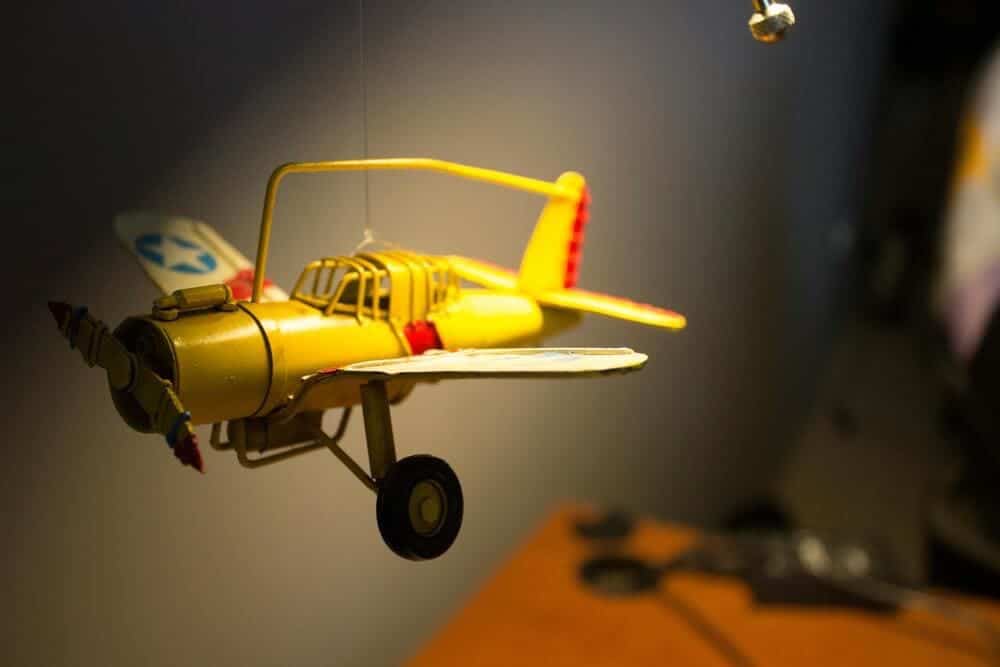
For many people, that fascination stays in small ways. A favorite aircraft photo. A memory of a first flight. A model plane sitting quietly on a shelf, reminding them of the moment they first realized humans had figured out how to leave the ground.
It’s a quiet kind of appreciation.
The invention that made the world feel smaller
Airplanes didn’t just change transportation. They changed perspective. The planet stopped feeling huge. Faraway places became reachable. Visiting another continent became a plan instead of a dream.
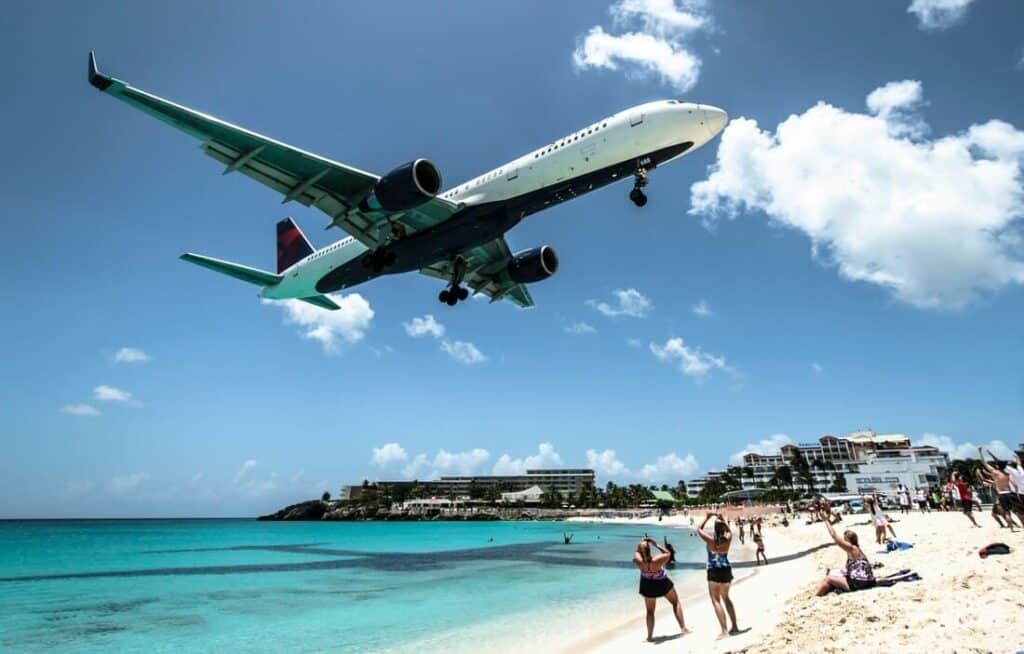
It’s hard to measure how much that changed the way humans think about the world.
But it changed everything.
We got used to the impossible
That might be the most remarkable part. Humanity achieved powered flight, improved it rapidly, and then folded it into daily life so completely that we rarely stop to think about it.
We expect it. We rely on it. We complain when it’s delayed.
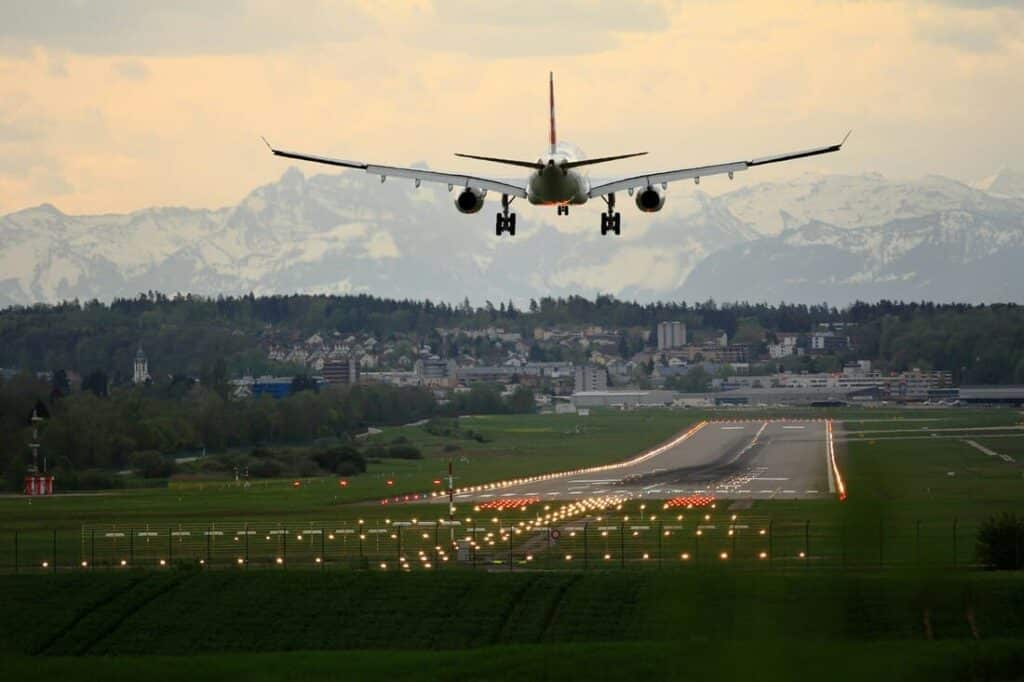
And that quiet acceptance might be the clearest sign of how successful the invention really is.
Airplanes didn’t just help people travel. They changed how humans experience distance itself.