

We tend to imagine the muscle car era as loud, crowded, and endless. Assembly lines churning out V8s by the thousands. Every dealership lot full of stripes, scoops, and promises of quarter-mile glory.
The truth is messier. Hidden inside that golden era are cars built in numbers so small they almost feel like accidents. Special orders, strange timing, corporate hesitation, insurance panic—tiny ripples that quietly turned some serious performance machines into rare sightings before anyone noticed.
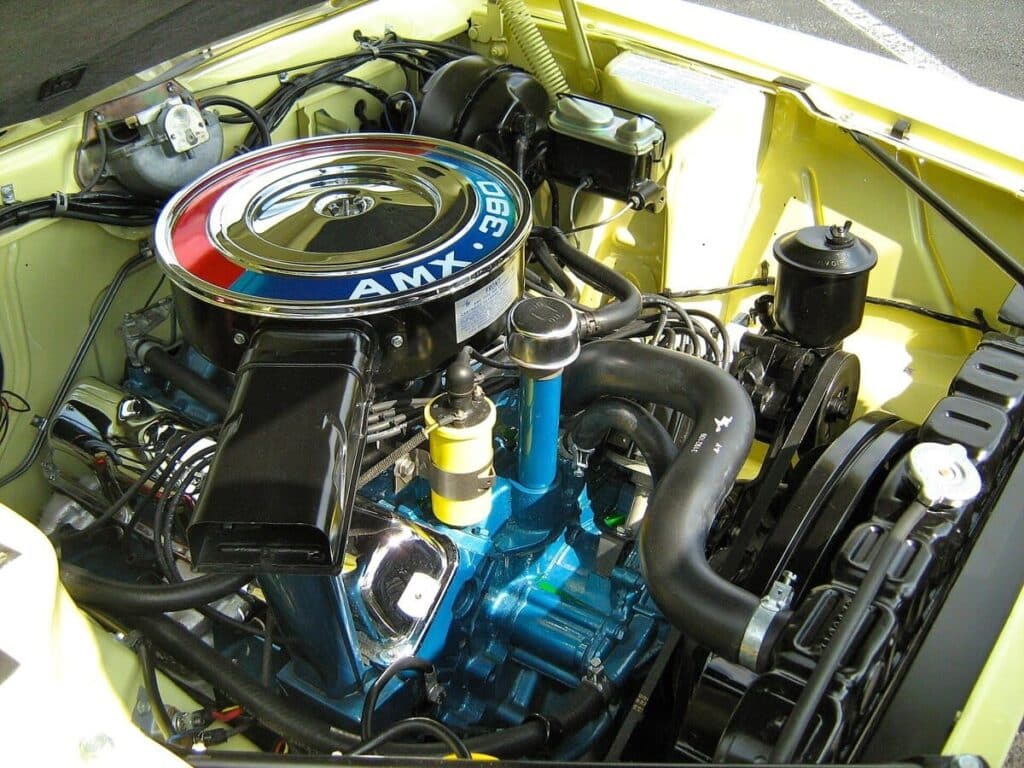
And now, decades later, those production numbers read like plot twists.
The Mustang that became a one-of-one experiment
In 1967, Shelby American built a Mustang that wasn’t meant for production at all. The GT500 Super Snake started life as a demonstration car—essentially a proof of concept to show what a no-limits Mustang might look like.
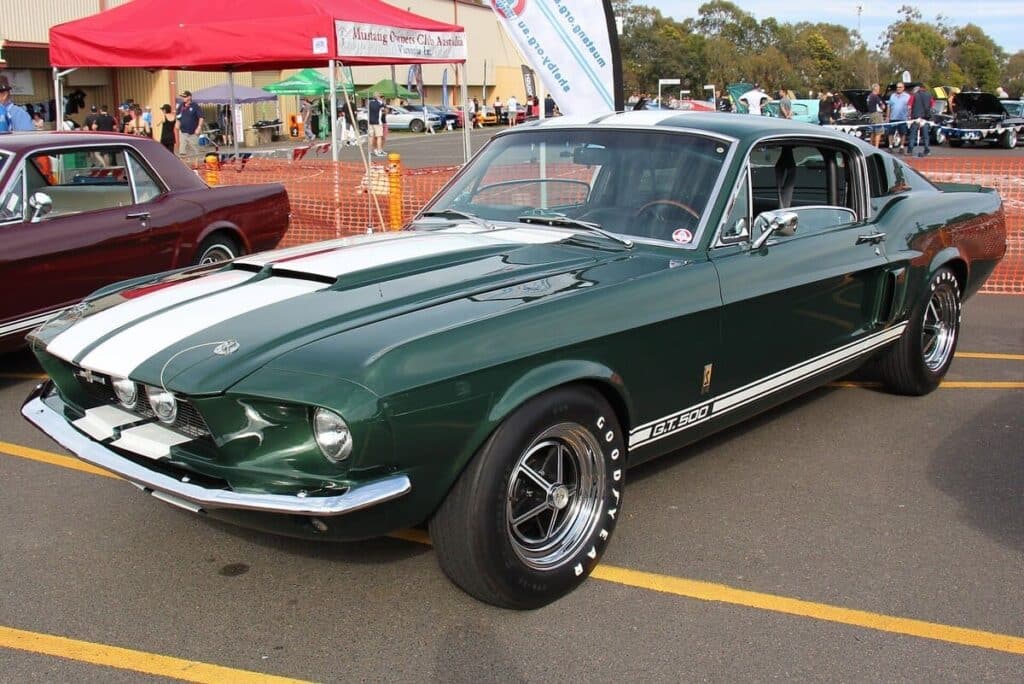
Under the hood sat a racing-derived 427, the same family of engines that powered Ford’s Le Mans victories. The idea was simple: build a road car capable of outrageous high-speed endurance and see who might be brave (or wealthy) enough to buy it.
The answer turned out to be almost nobody.
When the projected price landed far beyond what buyers would pay for a Mustang, the project quietly stopped. The prototype survived. The production run never happened. Today, the Super Snake stands as a reminder that even during the horsepower wars, there were limits to what the market could swallow.
The Camaro that existed thanks to a loophole
The late ’60s were full of unofficial creativity, especially when dealers wanted more power than corporate rulebooks allowed.
Chevrolet’s COPO ordering system was supposed to simplify fleet and commercial purchases. Instead, a handful of determined dealers used it to sneak racing hardware into street cars. The Camaro ZL1 was the result—an aluminum 427 stuffed into a lightweight pony car that wasn’t supposed to exist.
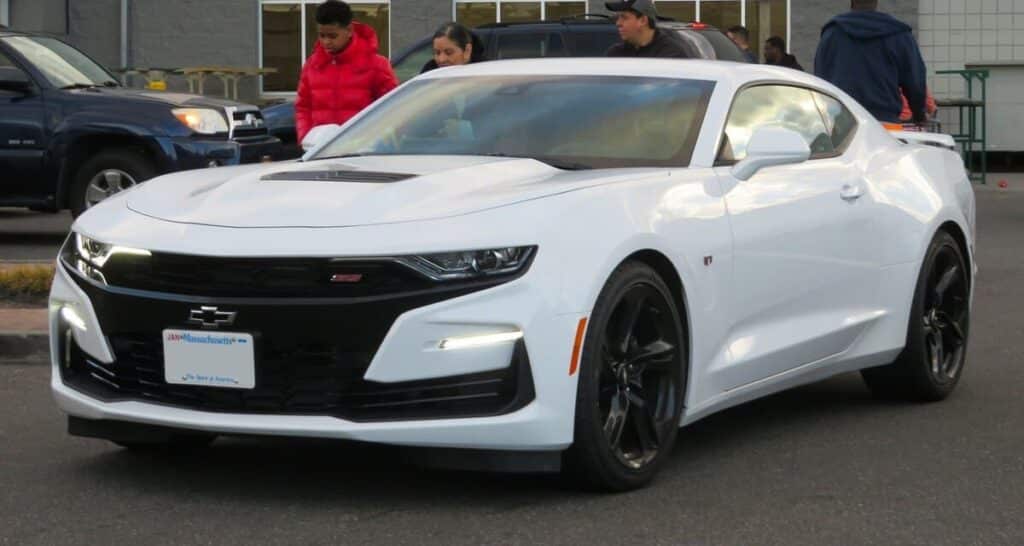
It was fast. Shockingly fast. And extremely expensive.
Most buyers didn’t understand why it cost so much more than a typical Camaro, and dealerships struggled to explain what made it special. Only a few dozen were built before the opportunity vanished. Scarcity wasn’t intentional. It was the byproduct of confusion, timing, and a loophole closing faster than it opened.
When the Hemi met the worst possible timing
By 1970, the muscle car party was already starting to feel uneasy. Insurance companies were paying attention. Regulations were looming. Buyers were beginning to hesitate.
Into that atmosphere arrived the Hemi ’Cuda Convertible.
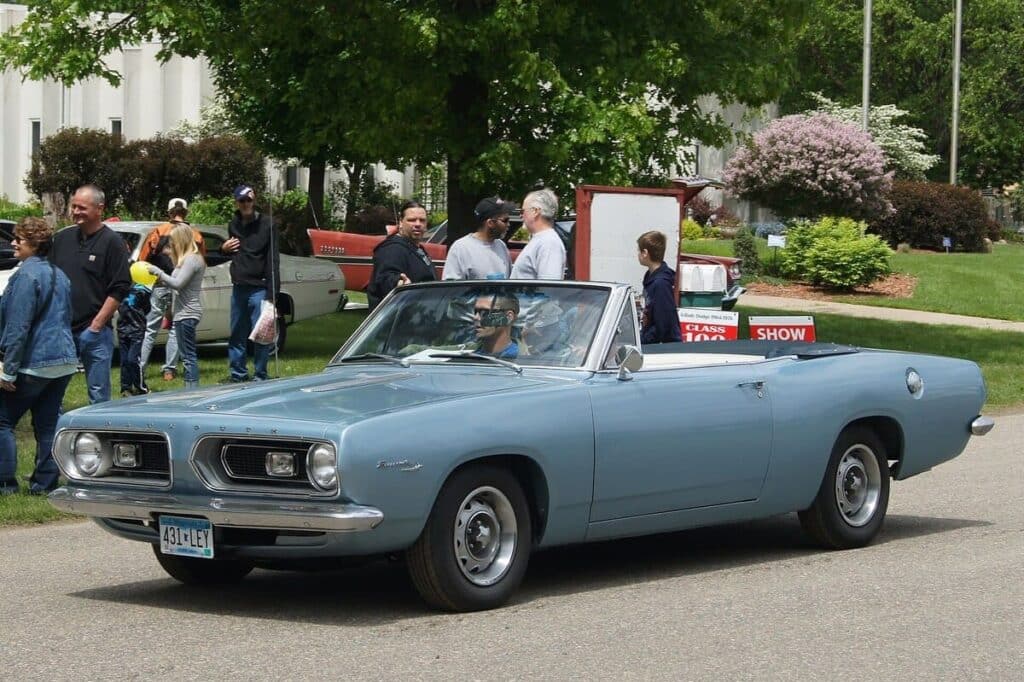
It sounds like the perfect formula now: open-top cruising paired with one of the most feared engines of the era. Back then, it felt risky, expensive, and slightly impractical. Very few customers stepped forward, and production numbers slipped into single digits almost quietly.
Today, the rarity feels mythical. At the time, it just felt like bad timing.
Pontiac’s overlooked big-car bruiser
Muscle car history often focuses on midsize coupes, but Pontiac briefly flirted with performance in a much bigger package. The Catalina 2+2 with the 421 Super Duty engine was large, bold, and unapologetically powerful.
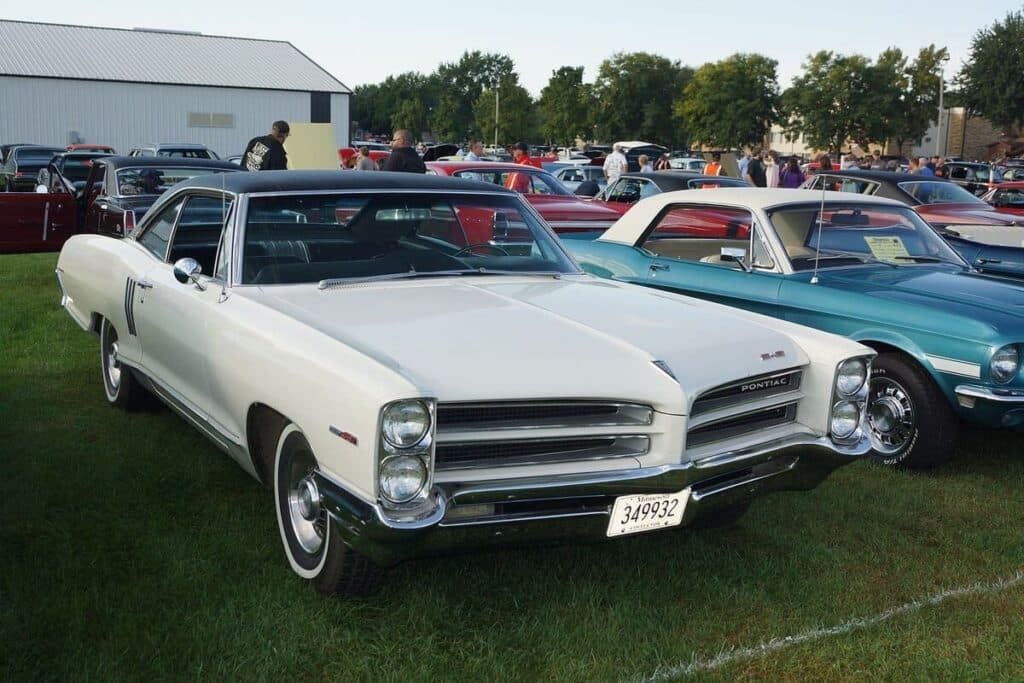
It arrived before the muscle car formula had fully settled, when manufacturers were still experimenting with what performance could look like. The audience for a full-size performance car was small, and the experiment didn’t last long.
That short lifespan left behind a car many enthusiasts forget entirely—until they see one in person and realize how unusual the idea really was.
The convertible that arrived at the end of the road
By the early ’70s, the mood had changed. Emissions rules tightened. Insurance premiums soared. Buyers started leaning toward comfort and practicality instead of raw power.
The Dodge Challenger R/T Convertible with a Hemi engine arrived just as the door was closing. It was an expensive, high-performance convertible in a world that was rapidly losing its appetite for exactly that kind of car.
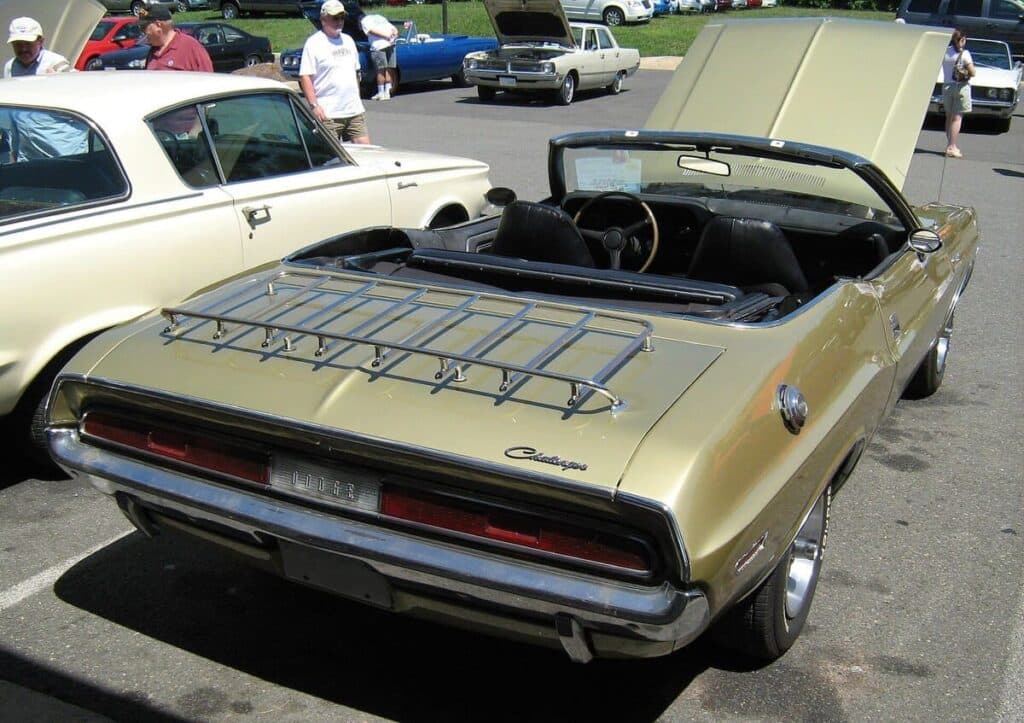
Few were built. Even fewer survived. Not because the car lacked appeal, but because the era that created it was ending in real time.
Why small production numbers matter now
None of these cars left the factory thinking they were future collectibles. They were simply part of the showroom mix, competing for attention in a crowded and rapidly changing market.
Decades later, the story reads differently.
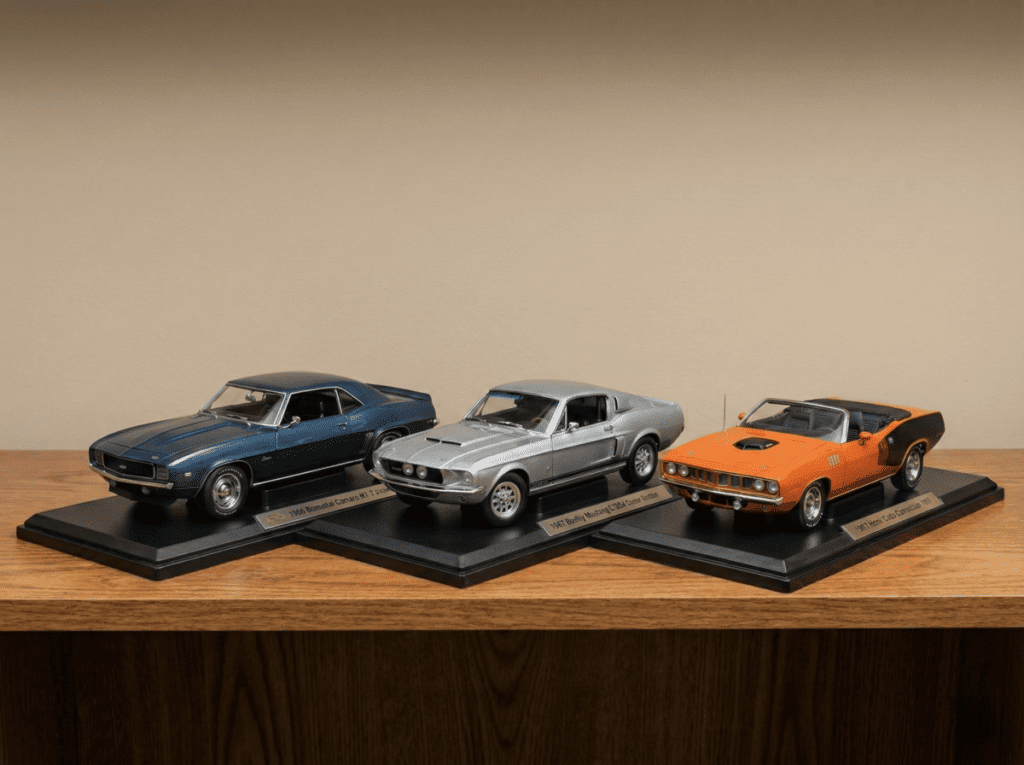
Low production numbers collide with survival rates, nostalgia, and the growing appreciation for originality. Cars that once slipped through history quietly now feel like rare artifacts from a moment when engineers pushed hard and the future hadn’t fully caught up yet.
Collectors today aren’t just chasing horsepower or badges. They’re chasing context, stories, and the thrill of discovering something that was never meant to be exclusive—but became that way anyway. Even when the real cars live behind closed garage doors, their shapes and presence keep resurfacing through photography, restoration, and the work of a meticulous custom car model maker preserving machines that were rare long before anyone realized they should have been.