
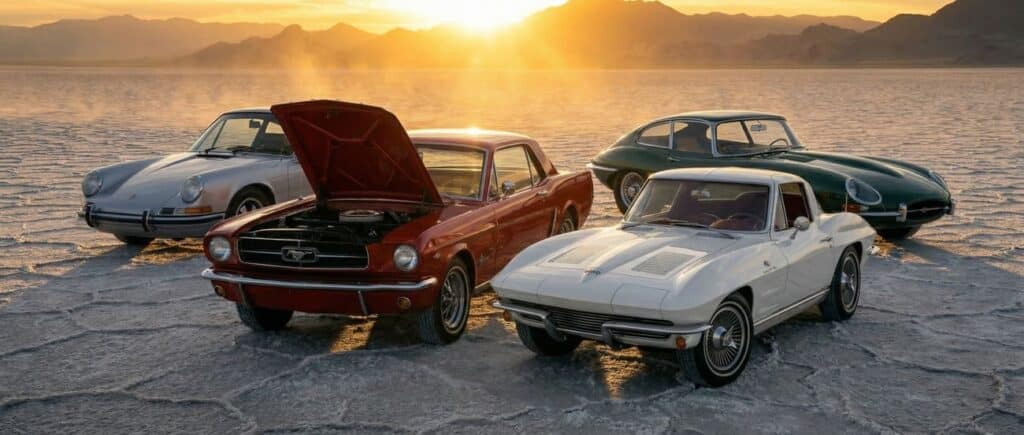
Ask any serious automotive collector which version of a nameplate commands the highest premiums and the answer is almost always the same. Not the fastest. Not the most powerful. Not the most refined. The first one. The 1964½ Ford Mustang over the 1969. The 1963 Corvette Sting Ray over the 1967. The original 1963 Porsche 911 over every subsequent generation that improved upon it. The pattern is so consistent across so many different vehicles and markets that it has long since ceased to be a coincidence. It is a rule — and understanding why it exists tells you more about the collector market than any auction result ever will.
The First Generation Rule — What It Is and Why It Holds
The first generation rule states that the original production version of any significant automobile nameplate will, over time, command higher collector premiums than any subsequent generation — regardless of how much the later versions improved upon it in objective performance, reliability, or engineering sophistication. This holds true across categories: sports cars, muscle cars, compact cars, luxury saloons, and pickup trucks all follow the same pattern with remarkable consistency.
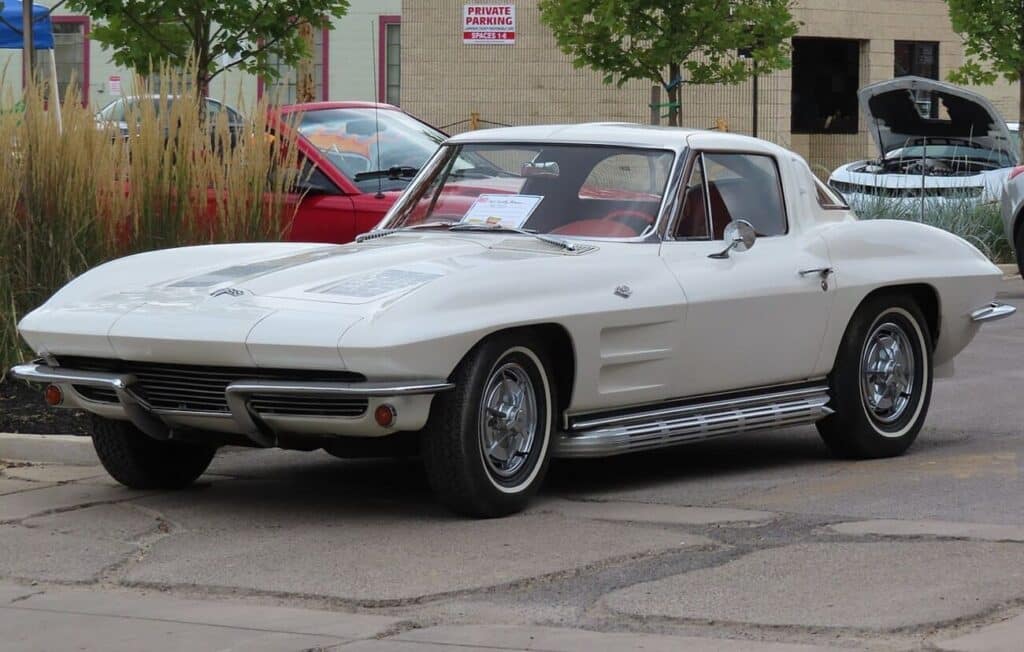
The reason is not nostalgia, though nostalgia amplifies the effect. The reason is originality of proposition. A first-generation vehicle represents the purest expression of an idea — the designers’ and engineers’ initial answer to the question of what this car should be, unconstrained by the commercial pressures, regulatory requirements, and market feedback that shape every subsequent iteration. Later generations are responses. The first generation is the statement. And in the collector market, statements are always worth more than responses.
The Ford Mustang: The Case Study That Defines the Rule
No automobile illustrates the first generation rule more clearly than the Ford Mustang. The original 1964½ Mustang — introduced at the New York World’s Fair on 17 April 1964, selling 22,000 units on its first day and over a million within two years — defined an entire vehicle category that competitors spent the following decade trying to replicate. The Ford Mustang car model in its original fastback or coupe configuration is, by a considerable margin, the most collected Mustang variant across all scales and formats. The 1969 Boss 429 is rarer. The 1967 Shelby GT500 is more powerful. The 2020 Shelby GT500 is faster by thirty years of development. None commands the same emotional and financial premium as a correct, numbers-matching 1964½ in Wimbledon White or Rangoon Red.
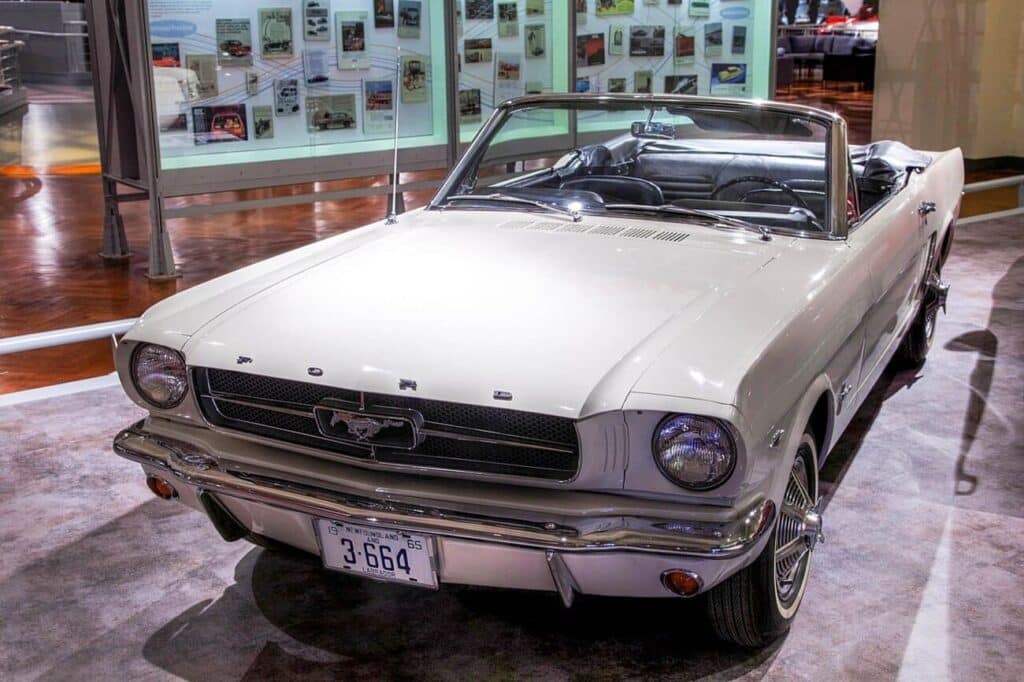
The same pattern governs the carmodel market with equal consistency. A precision 1:18 die-cast of the original 1964½ Mustang coupe in correct period colours outsells equivalent models of the 1969 Mach 1 or the 1970 Boss 302 in virtually every collector market globally. The first generation’s visual identity is cleaner, its historical claim is stronger, and its emotional weight for the collector — who associates it with the moment the idea was born rather than its later commercial evolution — is simply greater.
The Rule Across Every Category — It Never Fails
Porsche 911 — Original Purity Over Later Perfection
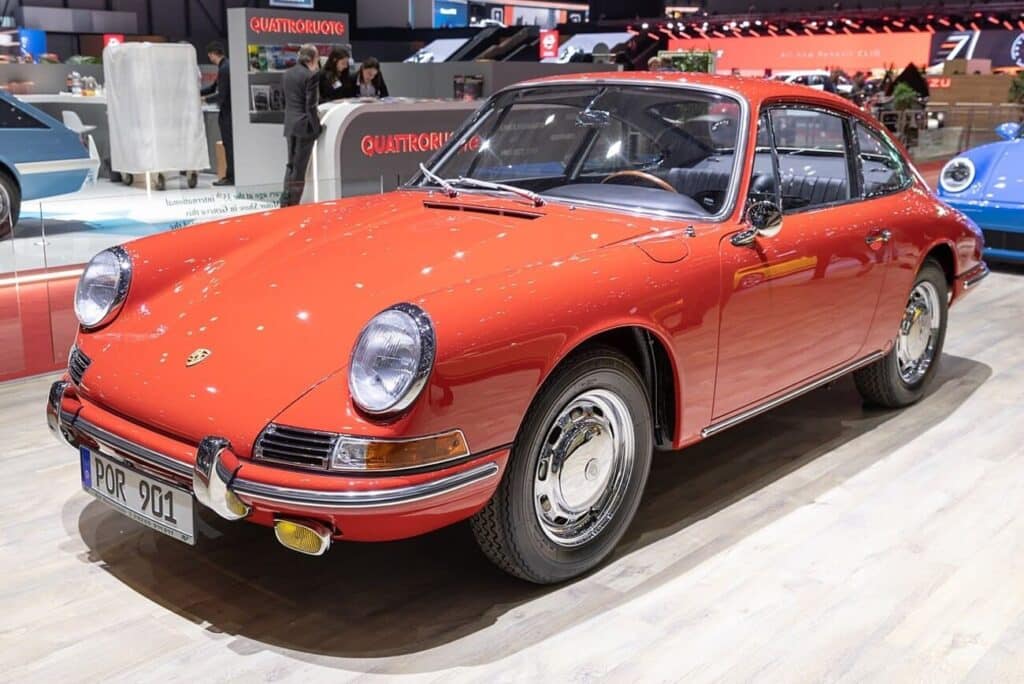
The original 1963 Porsche 911 — designed by Ferdinand Porsche’s grandson Butzi Porsche and powered by a 2.0-litre air-cooled flat-six — was not as fast, safe, or reliable as the 993, 996, or 992 generations that followed. It was more dangerous in the wet, more demanding to drive at the limit, and less comfortable over long distances. It is also worth three to four times what any of those later generations command in equivalent condition. The proposition it represented — a lightweight, rear-engined sports car of absolute purity — was stated most clearly in the original. Everything after was clarification.
Mini — The 1959 Original Versus a Generation of Successors
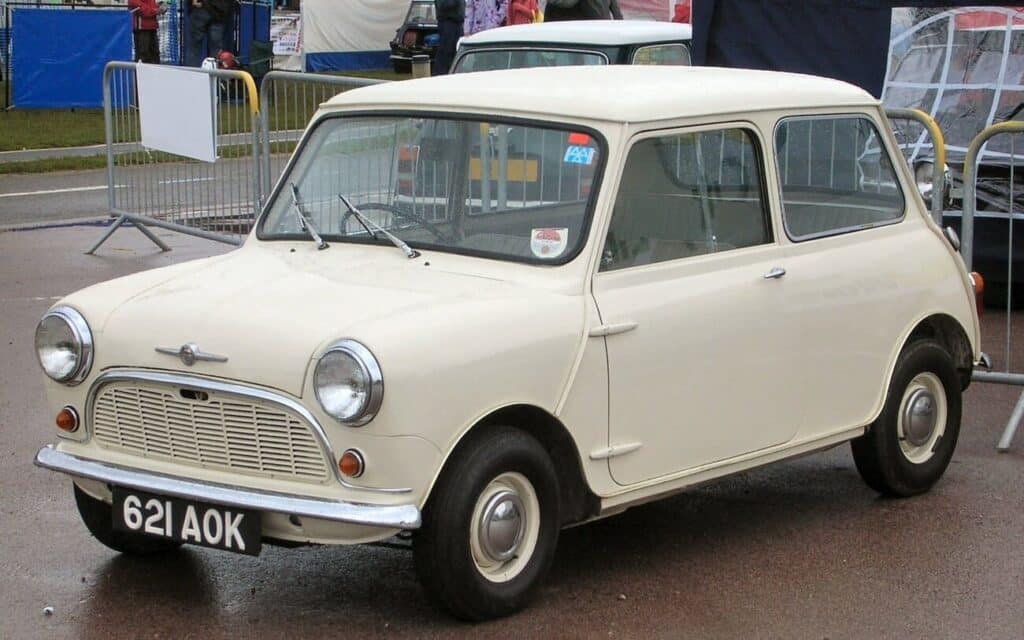
Alec Issigonis’s original 1959 Mini — transverse engine, front-wheel drive, rubber cone suspension, 10-inch wheels — was a revolutionary package that transformed small car design globally. Every subsequent Mini, including the modern BMW-produced MINI, is a product of the original’s influence rather than a continuation of it. The original Mark I in its earliest production form commands collector premiums that the Mark II, Mark III, and every subsequent evolution cannot approach, despite the later cars being objectively better in almost every measurable respect.
Ferrari — The 250 GTO and the Weight of the Original Claim
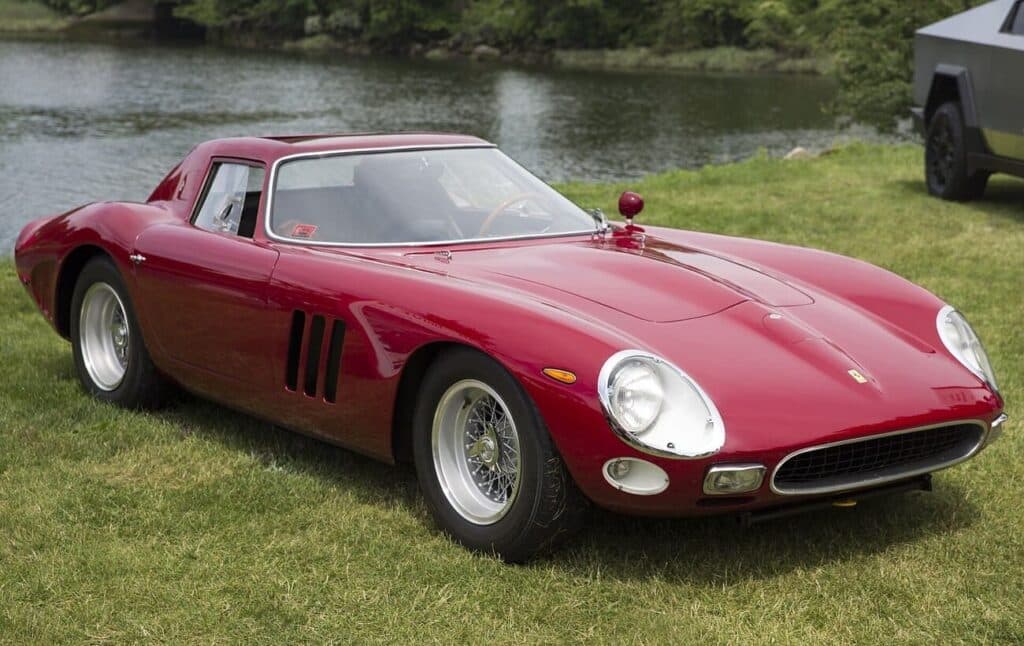
The Ferrari 250 GTO is the most valuable production automobile in history — examples have sold for over $70 million at auction. Its successor models were faster, more sophisticated, and produced in greater numbers. None has ever approached its value. The 250 GTO’s claim — the first purpose-built Ferrari racing car homologated for GT class competition — was stated once, in 1962, and has never been restated in equivalent form. First generation. Original proposition. Irreplaceable premium.
Every subsequent generation of a great car answers the question of how to improve on the original. The original answers the question nobody had thought to ask yet. That is a different kind of value entirely — and the collector market has never confused the two.
Why the First Generation Rule Applies Equally to Scale Models
The first generation rule governs the models of automobiles market with the same consistency it applies to full-size vehicles. First-generation subjects — the 1964½ Mustang, the original 911, the Mark I Mini, the 250 GTO — are not merely the most historically significant subjects in any nameplate’s collecting history. They are the most visually distinct, the most immediately recognisable, and the most emotionally resonant. A precision 1:18 replica of the original Mustang fastback in Candyapple Red does not require explanation to any informed collector. It explains itself.
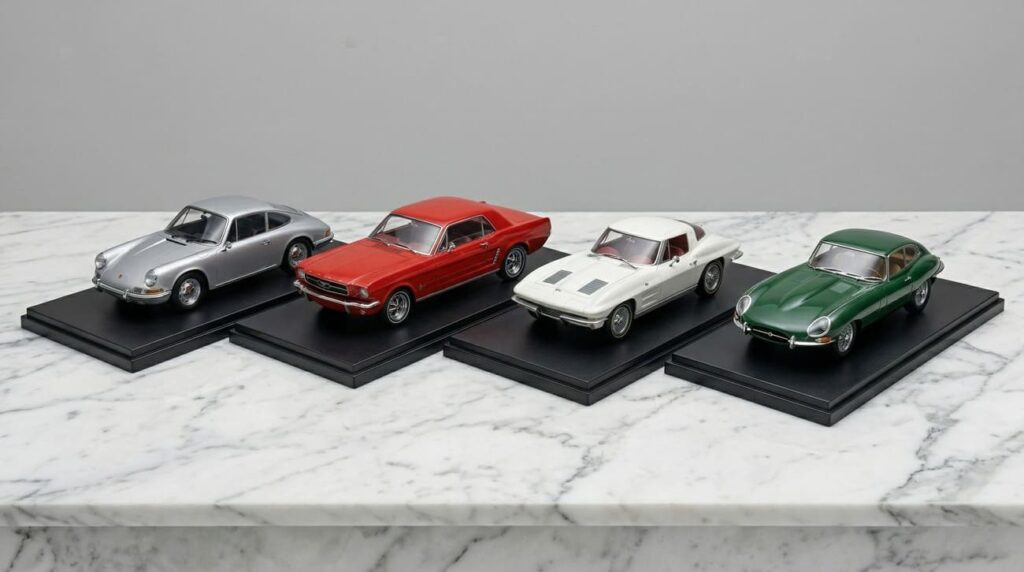
For collectors building displays that tell a coherent automotive story, first-generation subjects are the anchoring pieces — the objects around which the rest of a collection organises itself. They establish the historical claim that later additions elaborate. A 1964½ Mustang alongside a 1969 Boss 429 and a 2023 Dark Horse tells the complete story of a sixty-year nameplate in three objects. Remove the first generation and the story loses its beginning. The beginning, in automotive collecting, is always where the value lives.
Frequently Asked Questions
Why are first-generation cars more valuable than later versions?
First-generation cars represent the original proposition of a nameplate — the purest expression of what the designers and engineers intended before commercial pressures, regulatory requirements, and market feedback shaped subsequent iterations. Collector value follows originality of concept rather than objective performance improvement. The car that stated the idea first commands a premium that refinement of that idea cannot replicate, regardless of how significantly later generations improved upon it.
What makes the original Ford Mustang so collectible?
The 1964½ Ford Mustang is collectible for three converging reasons: it created an entirely new vehicle category — the pony car — that defined American automotive culture for sixty years; it sold over one million units in its first two years, making it the most commercially successful new car launch in American automotive history at the time; and its original long-hood, short-deck proportions represent the nameplate’s design identity in its clearest and least compromised form. Correct, numbers-matching early production examples in original colours are the most consistently valued Mustangs across all collector markets.
Does the first generation rule apply to scale model collecting?
Yes — consistently and across all scales and formats. First-generation subjects command the strongest demand in the models of automobiles collector market for the same reasons they command premiums in the full-size vehicle market: originality of visual identity, historical significance, and emotional resonance with collectors who associate them with the moment an idea was born. Quality 1:18 replicas of first-generation vehicles in correct period colours and specifications consistently outsell equivalent models of later generations across every major automotive nameplate.
The Statement Always Outlasts the Refinement
The automotive industry has spent over a century improving its products — making them faster, safer, more efficient, more comfortable, and more capable in every measurable dimension. The collector market has watched all of this progress and consistently valued something different: the moment before the improvement began. The original 911 before Porsche learned to make it handle. The 1964½ Mustang before Ford learned to make it faster. The 250 GTO before Ferrari learned to make it more sophisticated. These are not inferior products. They are uncompromised ones — and uncompromised, in the collector market, is the most valuable thing any car can be.
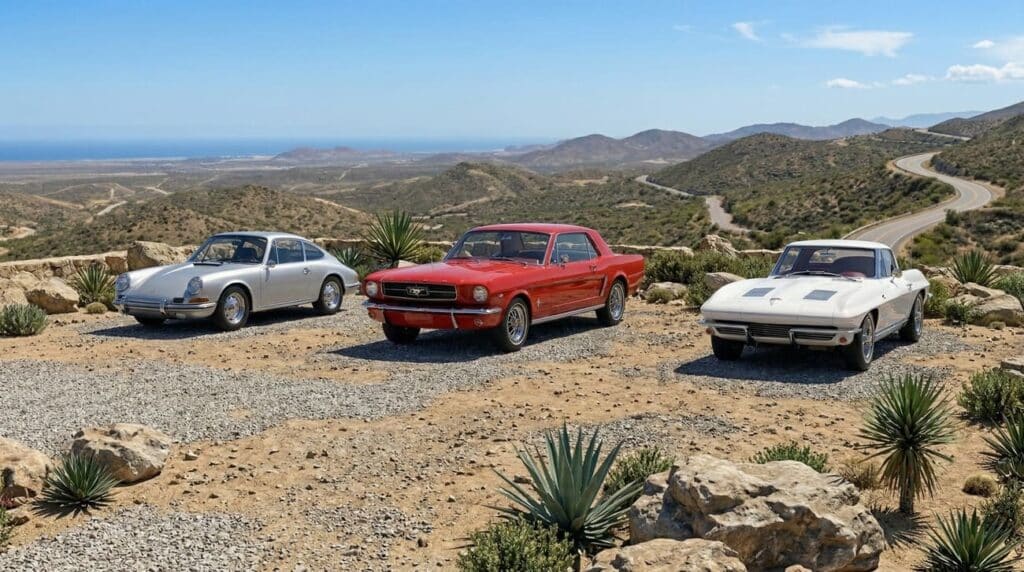
The first generation rule is not sentiment. It is the market’s honest assessment of where the value lives in any automotive story. And it has never once been wrong.