
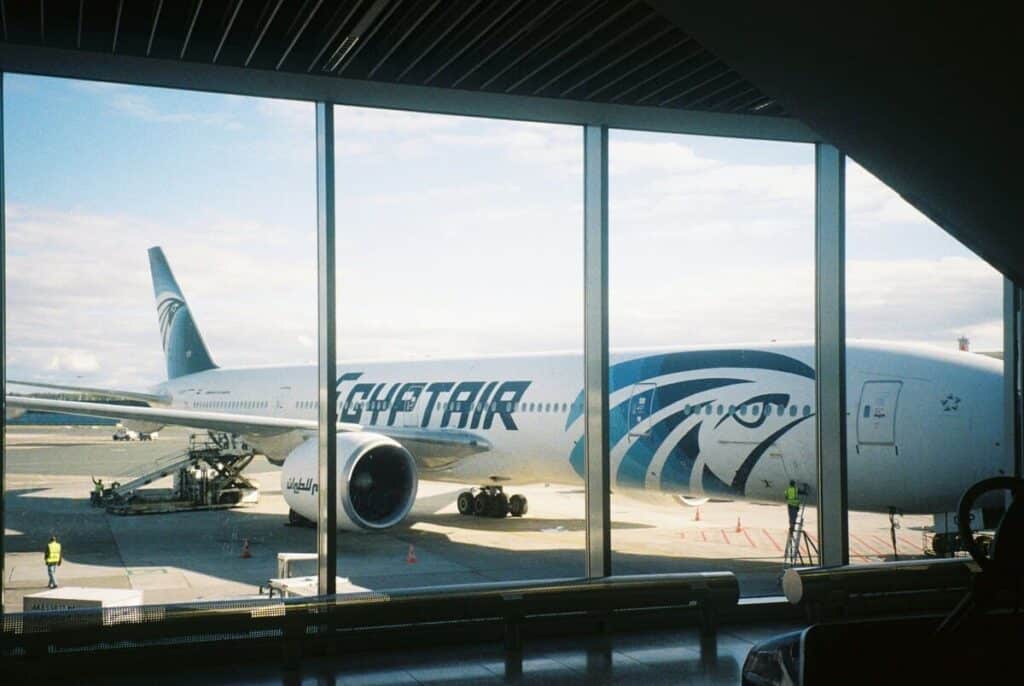
If you follow airline news closely, fleet announcements start to feel routine. Another order. Another delivery. Another press release photo with executives shaking hands in front of a new jet.
But inside aviation, these moments are never routine.
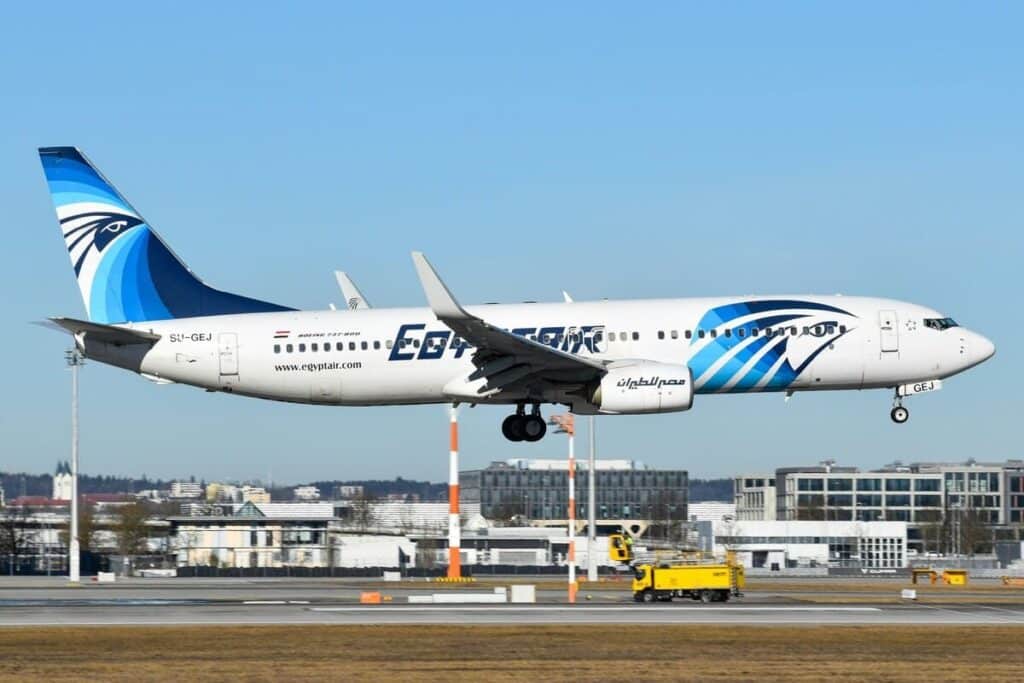
When an airline adds a brand-new long-haul aircraft type, it’s basically saying: this is what we think the future of flying looks like.
EgyptAir bringing the Airbus A350 into its fleet fits right into that pattern.
And the reason isn’t hype. It’s math.
Old long-haul aircraft didn’t suddenly become bad
Airplanes don’t age like cars. A 20-year-old widebody can still fly safely and reliably for years. Some of the aircraft being replaced today are perfectly capable machines.
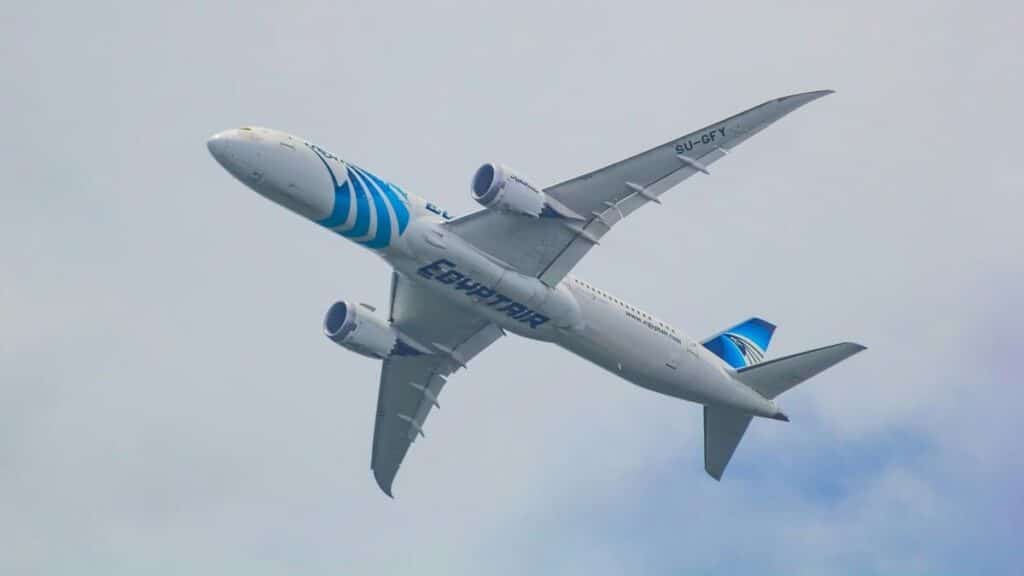
But airlines don’t operate on nostalgia.
They operate on fuel bills, maintenance hours, and long-term planning spreadsheets that stretch decades into the future. And in those spreadsheets, newer aircraft are starting to win by a wide margin.
It doesn’t happen overnight. It creeps in slowly. Then suddenly the gap becomes too big to ignore.
Fuel quietly drives almost every decision
Passengers often assume ticket prices drive airline decisions. In reality, fuel costs sit at the center of nearly everything. A small percentage improvement per flight turns into enormous savings over thousands of flights.
That’s where aircraft like the A350 change the conversation.
It’s lighter. More aerodynamic. Built with materials that simply didn’t exist when earlier widebodies were designed. Over the lifetime of the aircraft, the difference adds up to numbers that are hard for airlines to walk away from.
You don’t replace aircraft because the old ones stopped working.
You replace them because the new ones make financial sense for the next 25 years.
Range matters more than most passengers realize
Long-haul aircraft don’t just connect cities. They shape route maps.
A new aircraft type can make previously difficult routes viable. Flights that once needed a stop suddenly become direct. Airlines gain flexibility in how they connect continents.
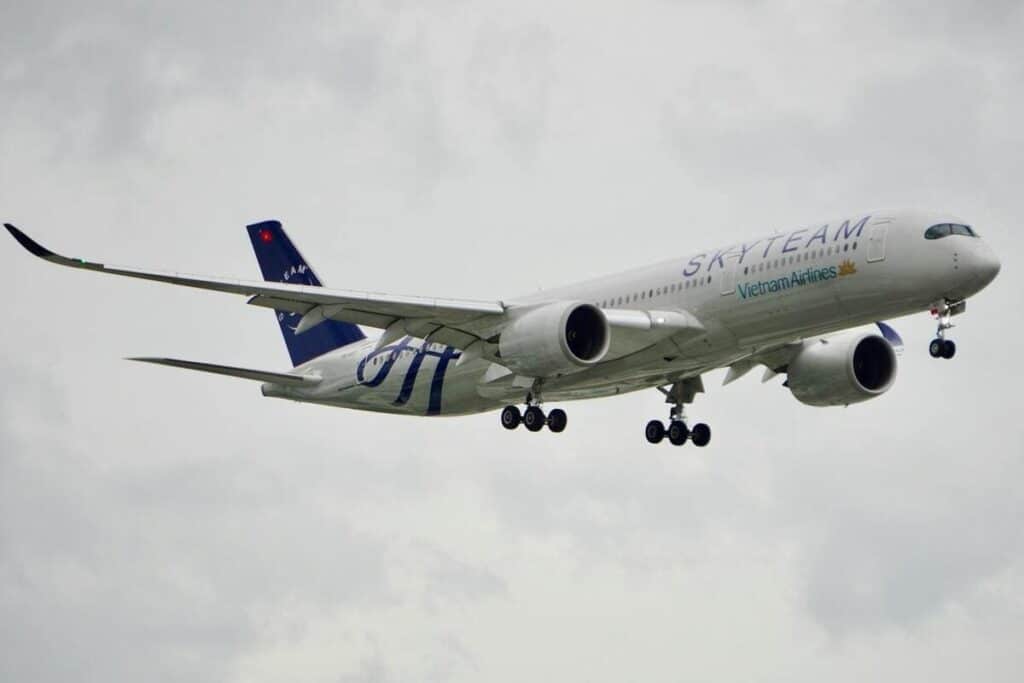
For a carrier like EgyptAir, sitting between Africa, Europe, and Asia, that flexibility matters. Geography already gives it a strong position. A more capable long-haul aircraft simply expands what’s possible from that position.
It opens doors quietly.
Passenger experience became part of the equation
Years ago, long-haul flying was mostly about range and capacity. Comfort was secondary. Today it’s part of the sales pitch.
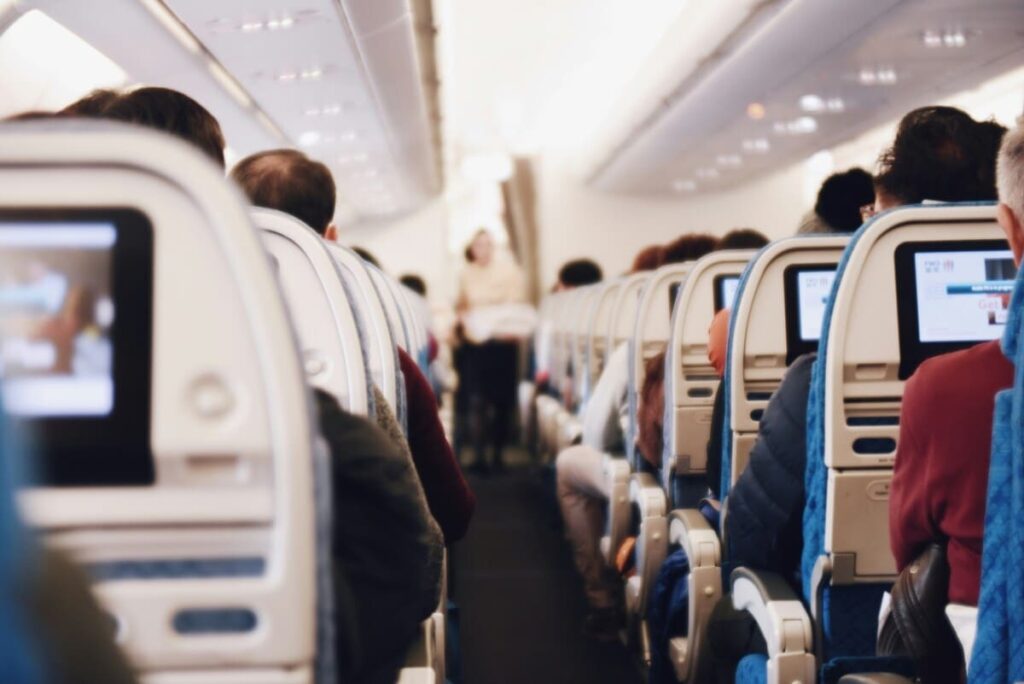
Quieter cabins. Better air pressure. Lighting that helps reduce fatigue. None of this makes headlines, but passengers feel it by the end of a long flight. Airlines know comfort shapes how people remember the journey.
The aircraft becomes part of the brand experience, even if passengers never check the aircraft type.
The industry is shifting together
EgyptAir isn’t making a bold, unusual move here. It’s joining a wider transition happening across the world.
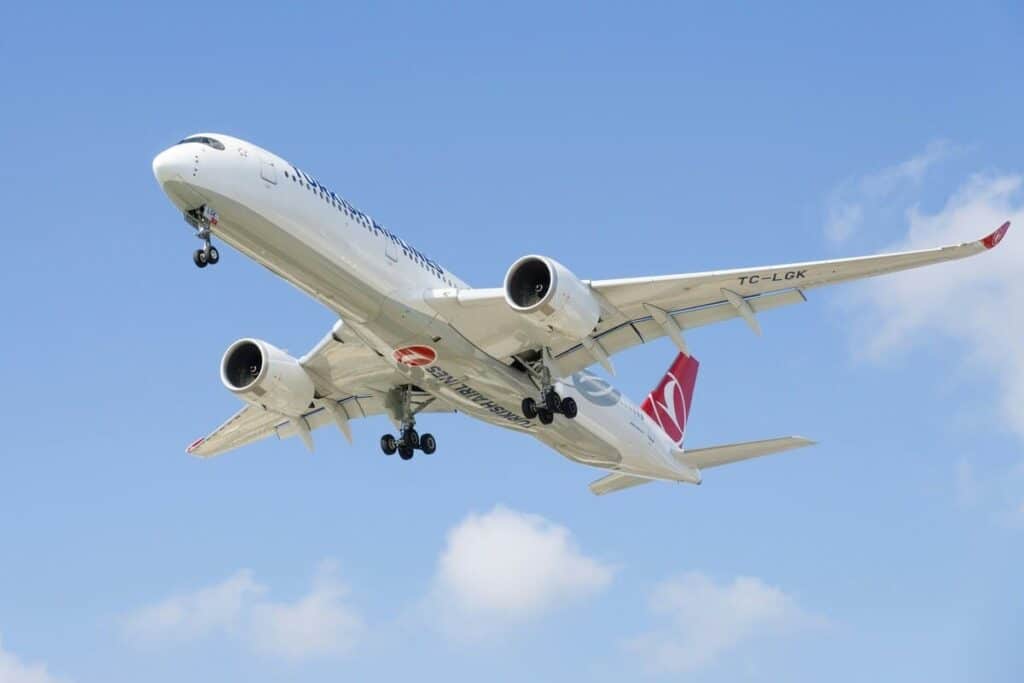
Older long-haul fleets are slowly giving way to aircraft designed for a different era of aviation. One focused on efficiency, flexibility, and long-term sustainability.
These shifts don’t feel dramatic while they happen. They unfold quietly, aircraft by aircraft. Then one day the older generation becomes the rare sight on the ramp.
Why moments like this matter to enthusiasts
For aviation followers, fleet changes are like time markers. Years later, they become easy reference points. The moment an airline started moving into a new generation of aircraft.
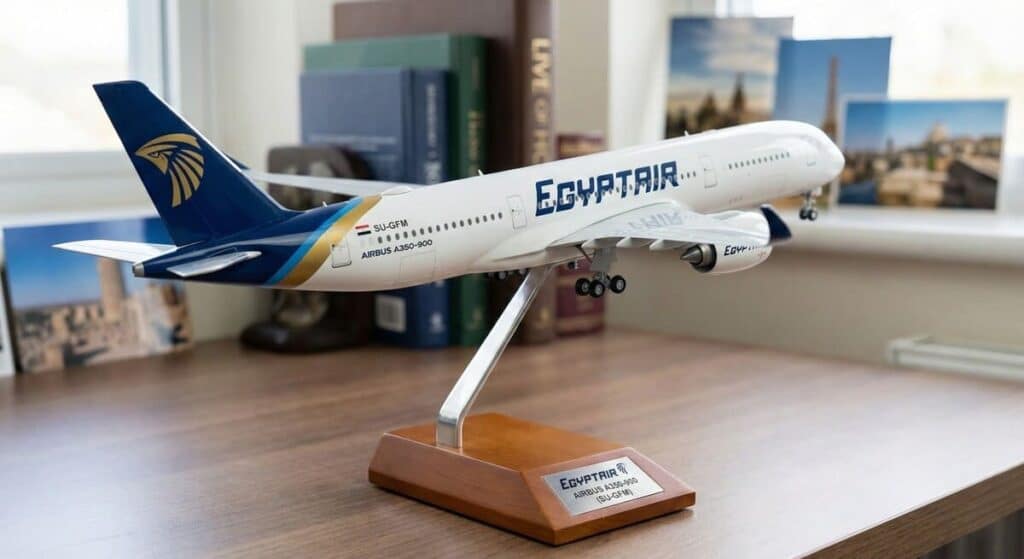
That’s why new deliveries carry a kind of quiet significance. A model plane representing a new widebody entering service often ends up symbolizing that transition — the point where the industry started turning toward its next chapter.
And that chapter is already underway.