
Every time a flight makes the news, the same cycle repeats. People start searching, scrolling, and quietly wondering if flying is becoming less safe. It doesn’t take many headlines to make the sky feel a little more uncertain.
So let’s slow this down and talk about it honestly.
Because the real story of aviation safety in 2026 isn’t dramatic. It’s actually the opposite.
Why recent headlines make flying feel riskier than it is
Here’s the thing most passengers don’t realize: aviation incidents are global news because they’re rare. When something unusual happens, the entire world hears about it within minutes.
Meanwhile, tens of thousands of flights land safely that same day and nobody talks about them.
That imbalance shapes perception in a powerful way. It creates the feeling that “so many planes are crashing,” even when the long-term trend shows the opposite.
Flying hasn’t suddenly become dangerous. We’ve just become very good at hearing about every single incident.
How many planes have crashed in 2025?
People search this question because they want reassurance in numbers. But raw yearly totals don’t tell the real story.
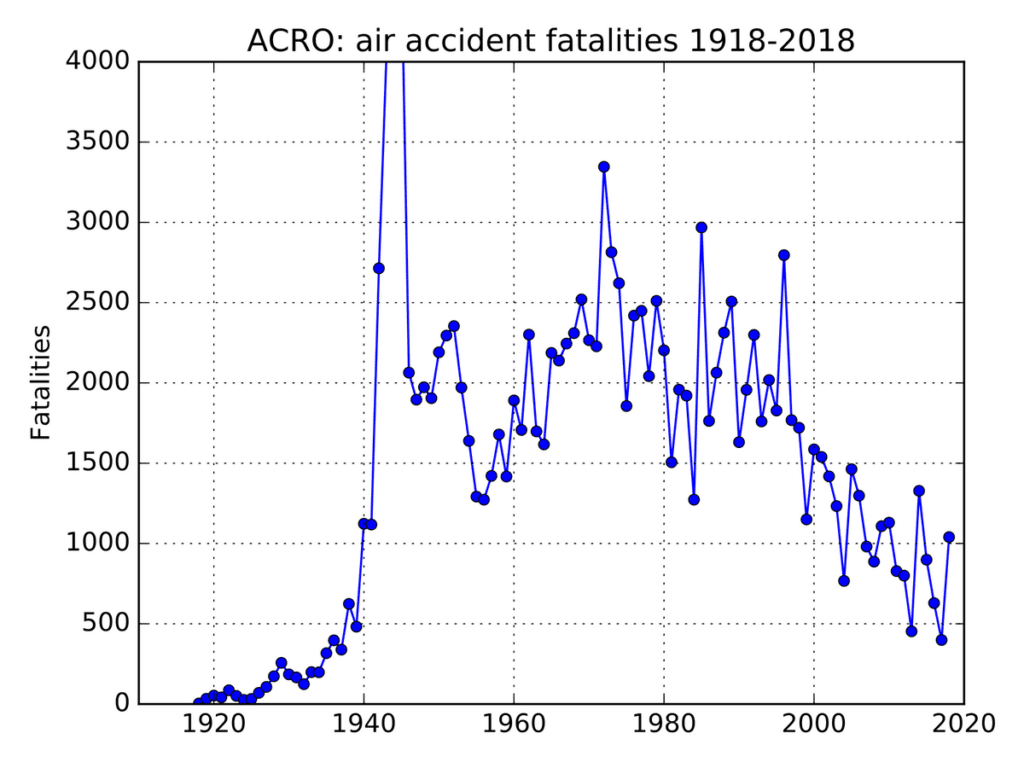
What matters is the accident rate per flight. And that number has been steadily declining for decades, even as global air travel keeps growing. There are more flights today than ever before, yet the likelihood of a serious accident continues to drop.
That’s not luck. That’s decades of lessons being built into modern aviation.
Why are planes crashing at all?
When aviation investigates accidents, the answer is almost never simple. It’s usually a chain of events rather than a single failure.
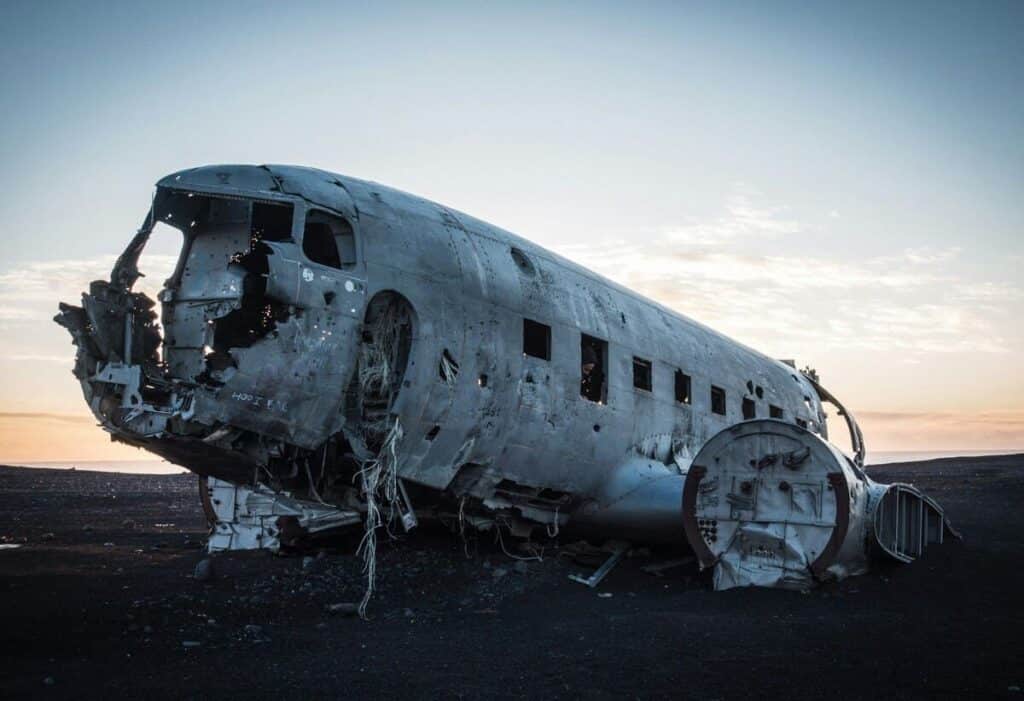
Weather. Human decision-making. Maintenance issues. Unexpected technical problems. Small factors that line up in the wrong order.
The entire industry is built around breaking those chains early. New training methods, better monitoring systems, and stricter procedures all exist because previous incidents were studied in painful detail.
Aviation improves by refusing to ignore its mistakes.
Which Boeing planes to avoid?
This question pops up constantly online, especially after big news stories. The honest answer is simple: passengers don’t need a personal “avoid list.”
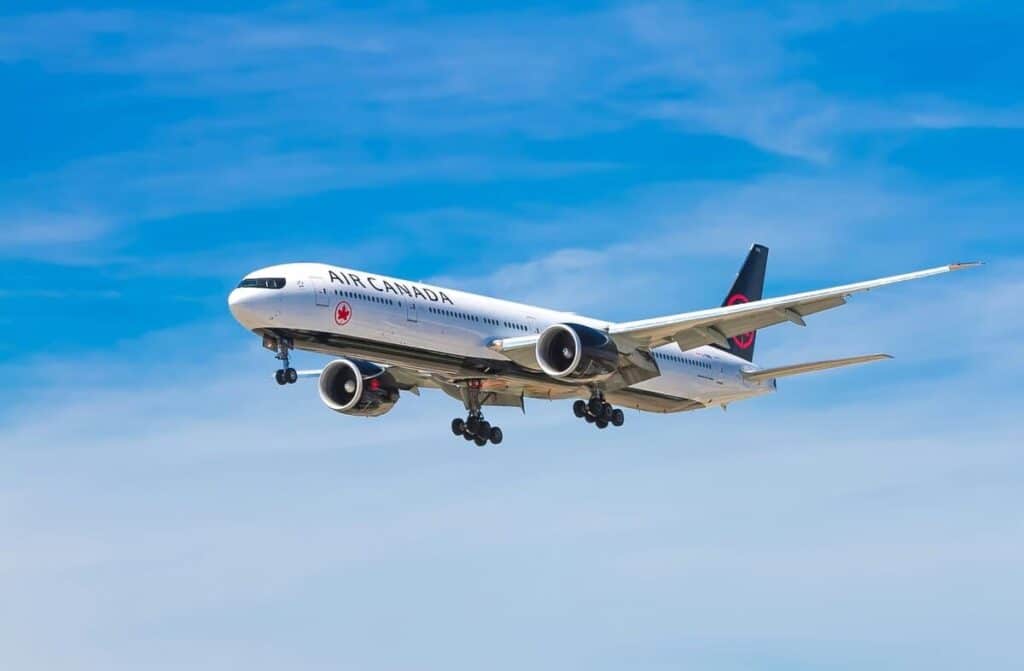
If an aircraft type raises serious safety concerns, aviation authorities act fast. Inspections increase. Operations may be restricted. Sometimes aircraft are grounded completely until fixes are confirmed.
The system is designed so passengers don’t have to play detective before booking a ticket.
How do planes fly, really?
At its simplest, flight is about airflow and balance. Wings are shaped so air moves faster over the top than underneath, creating lift. Engines push the aircraft forward, and control surfaces steer it.
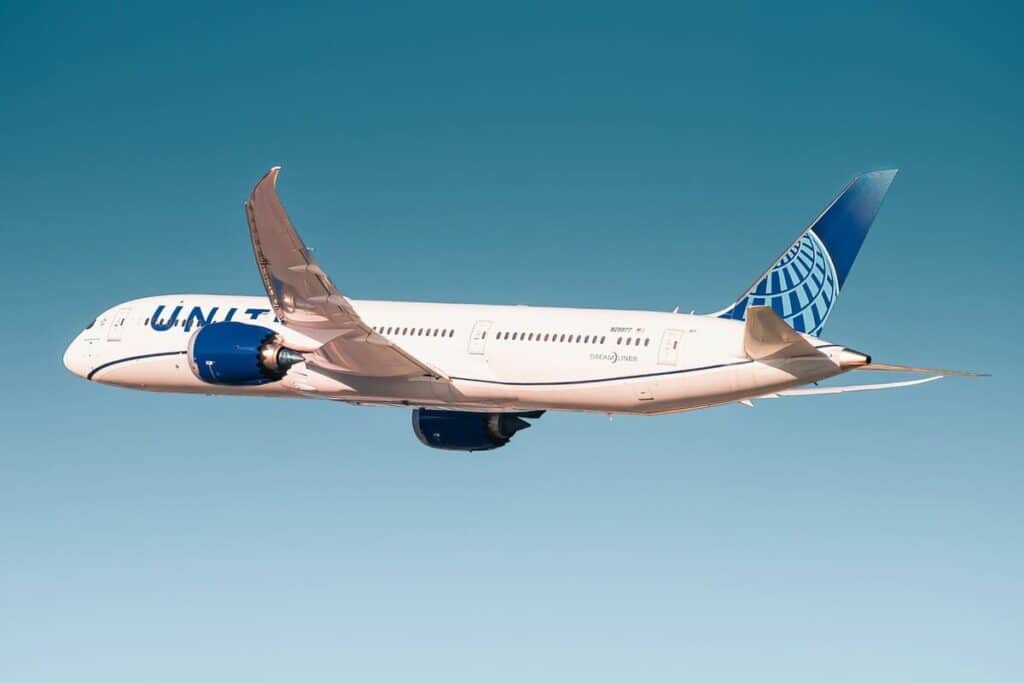
It sounds simple because the basic physics haven’t changed much in a century. What has changed is how refined and monitored everything has become.
Modern aircraft constantly check themselves while flying.
How high do planes fly?
Most commercial flights cruise between 30,000 and 40,000 feet. Up there, the air is thinner, which helps fuel efficiency and keeps aircraft above most weather systems.
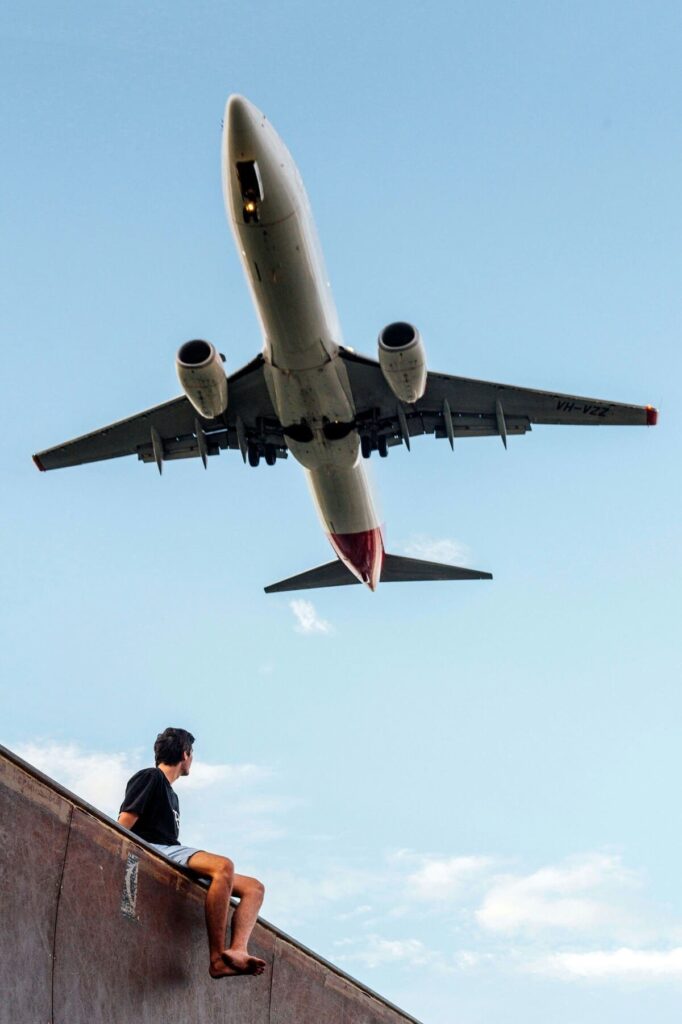
That’s why turbulence often disappears once the aircraft climbs. You’re literally flying above much of the atmosphere’s chaos.
How fast do planes fly?
Commercial jets usually cruise just below the speed of sound — roughly 800 to 900 km/h. That speed strikes a balance between efficiency and travel time.
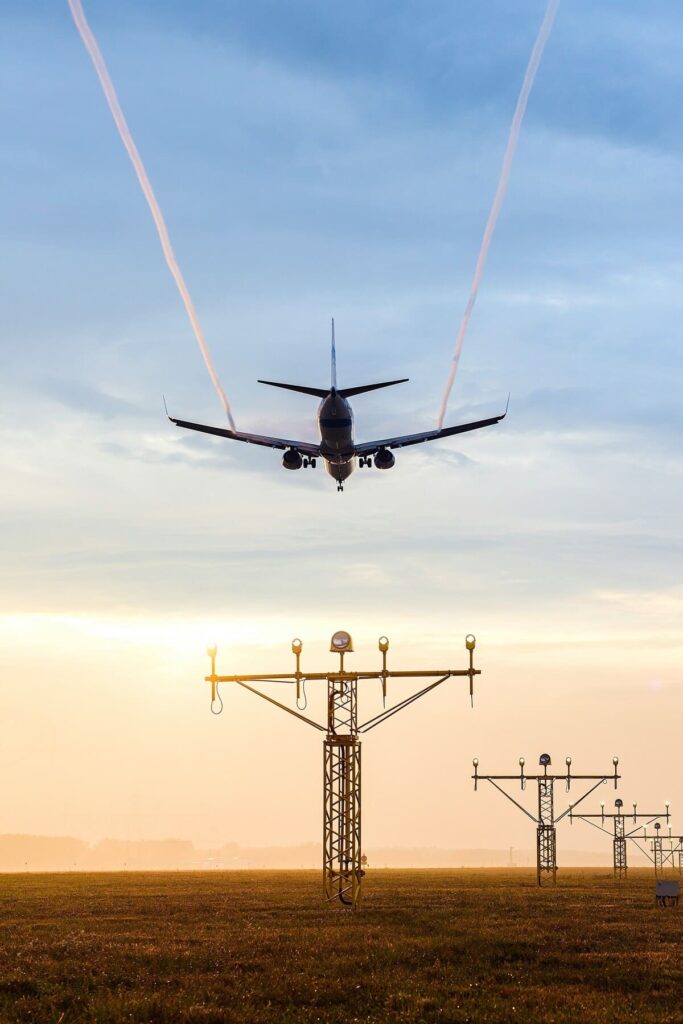
How fast do commercial planes fly compared to what they could fly? Faster speeds would burn far more fuel, so airlines prioritize efficiency over shaving a few minutes off a trip.
Why the sky still feels safe
What passengers rarely see is how many layers protect every flight. Two pilots. Backup systems. Constant communication with air traffic control. Aircraft that are inspected far more often than most people realize.
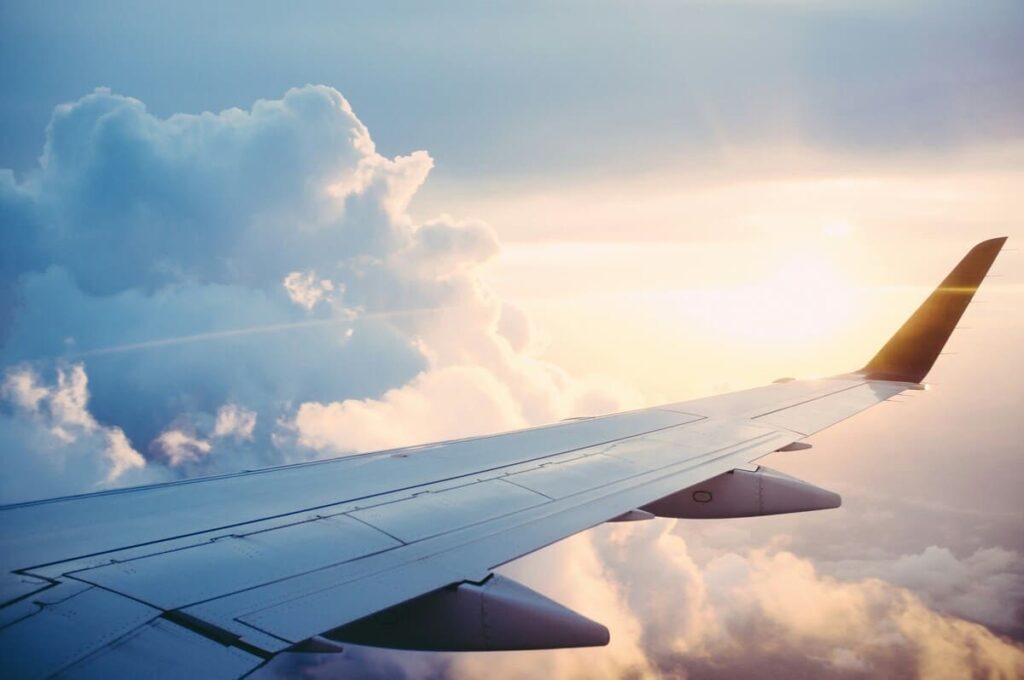
Flying isn’t safe because nothing ever goes wrong. It’s safe because aviation assumes something eventually will go wrong — and plans for it in advance.
That mindset has shaped modern air travel more than any single technology.
The real takeaway
Are planes safe in 2026? Yes. Not perfectly, not magically — but through constant improvement and relentless attention to detail.
The biggest difference between aviation and most industries is simple: every incident becomes a lesson shared worldwide.
And that’s why, even after a century of flight, the safety trend still moves in the right direction.