

The collector who confines their scale model collection to a single category — aircraft only, or maritime only, or automotive only — is making a coherent decision. Single-category collections can achieve a depth and comprehensiveness that multi-category displays rarely match. The aviation collector who has documented every significant fighter type from the Sopwith Camel to the F-22 has built something genuinely impressive. But they have also built something with a specific limitation: it can only tell the story of aviation. It cannot tell the story of the engineering ambition that aviation shared with seafaring and automotive design — the common pursuit of speed, of efficiency, of operating at the limits of what materials and knowledge permitted — that makes the most interesting multi-category displays more historically coherent than any single-niche collection can be.
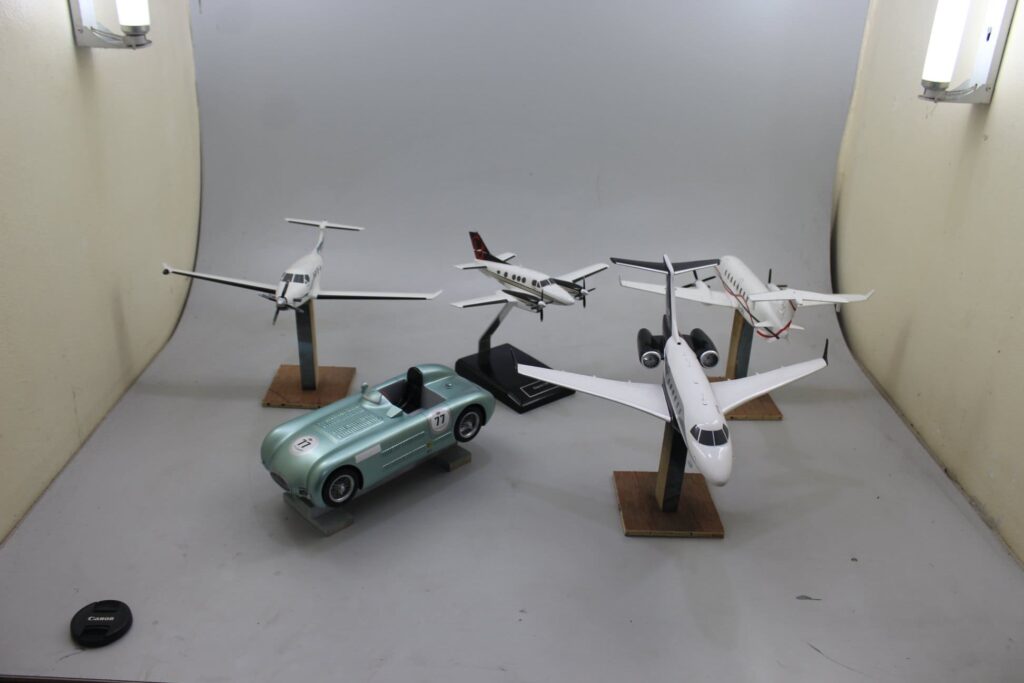
This is not an argument against depth. It is an argument for the specific kind of coherence that comes from building across categories with a unifying principle rather than staying within one category by default. The collector who includes a boat model alongside their aircraft collection is not diluting the aviation focus — they are making an argument that the same engineering ambition that produced the Spitfire also produced the E-boat, the destroyer, the ocean liner. That argument is more interesting than the aviation argument alone. And it is only available to the collector who crosses the category boundary.
The Engineering Logic That Connects Air, Sea, and Road
The Spitfire’s elliptical wing was optimised to generate the maximum possible lift from the thinnest possible wing section — a solution to the problem of generating lift at high speed without the drag penalty of a thicker, less elegant profile. The hull form of a destroyer from the same era was optimised to minimise water resistance at high speed while maintaining seakeeping qualities in the North Atlantic — a different physical medium, a different set of constraints, and the same underlying question: how do you make a machine move as fast as possible through the environment it inhabits without destroying itself in the attempt?
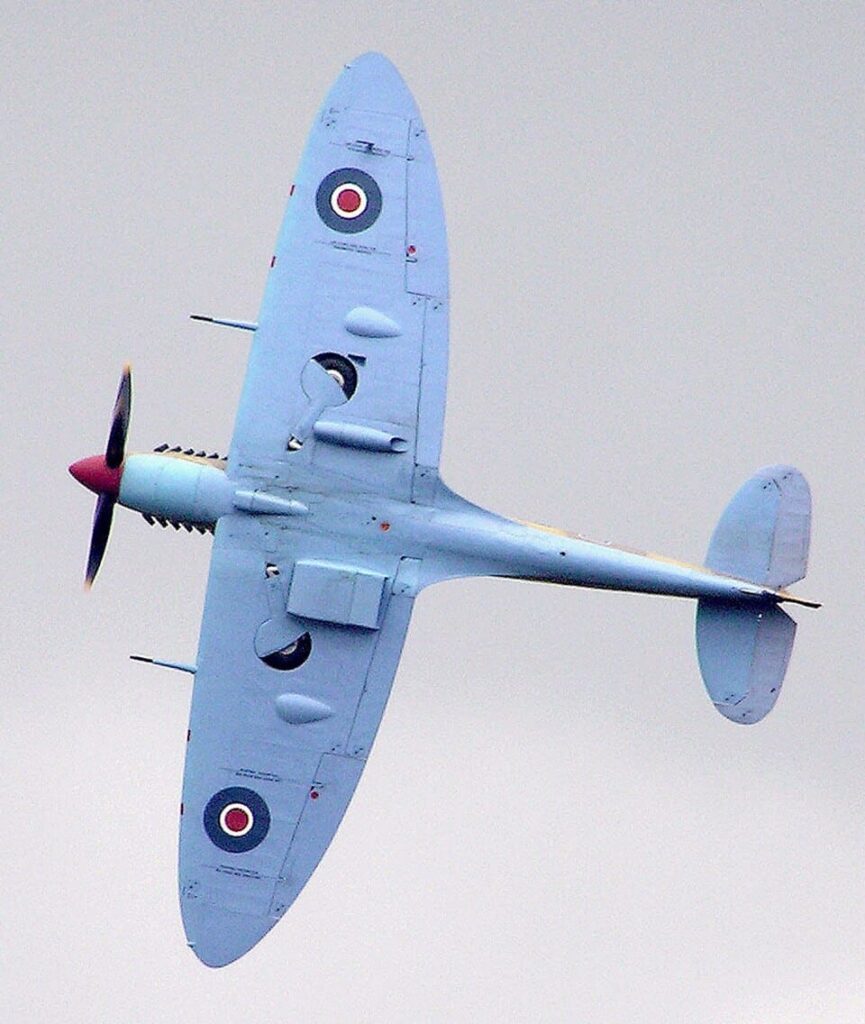
The engineering disciplines are different. The underlying aspiration is identical. And the collector who displays a Spitfire alongside a destroyer alongside a Grand Prix car from the same decade has assembled the most complete available argument about what human engineering was capable of in that specific period — across the three environments that human engineering has always treated as the definitive test of its limits. No single-category collection makes that argument. It requires crossing the boundaries.
The Maritime Dimension — Why Boat Models Belong in Every Serious Collection
Maritime collecting is the oldest scale model tradition in human history. Ship models predate aviation by millennia — the ancient Egyptians produced scale vessel replicas for burial purposes, and the Admiralty ship model tradition that flourished from the seventeenth century onwards produced some of the finest miniature craftsmanship ever created. The depth of the maritime collecting tradition is not simply age: it is the accumulated knowledge of hull form, rigging, and period-accurate detail that the tradition has developed over centuries, producing a standard of accuracy and craft that aircraft and automotive collecting, both younger fields, are still building toward.
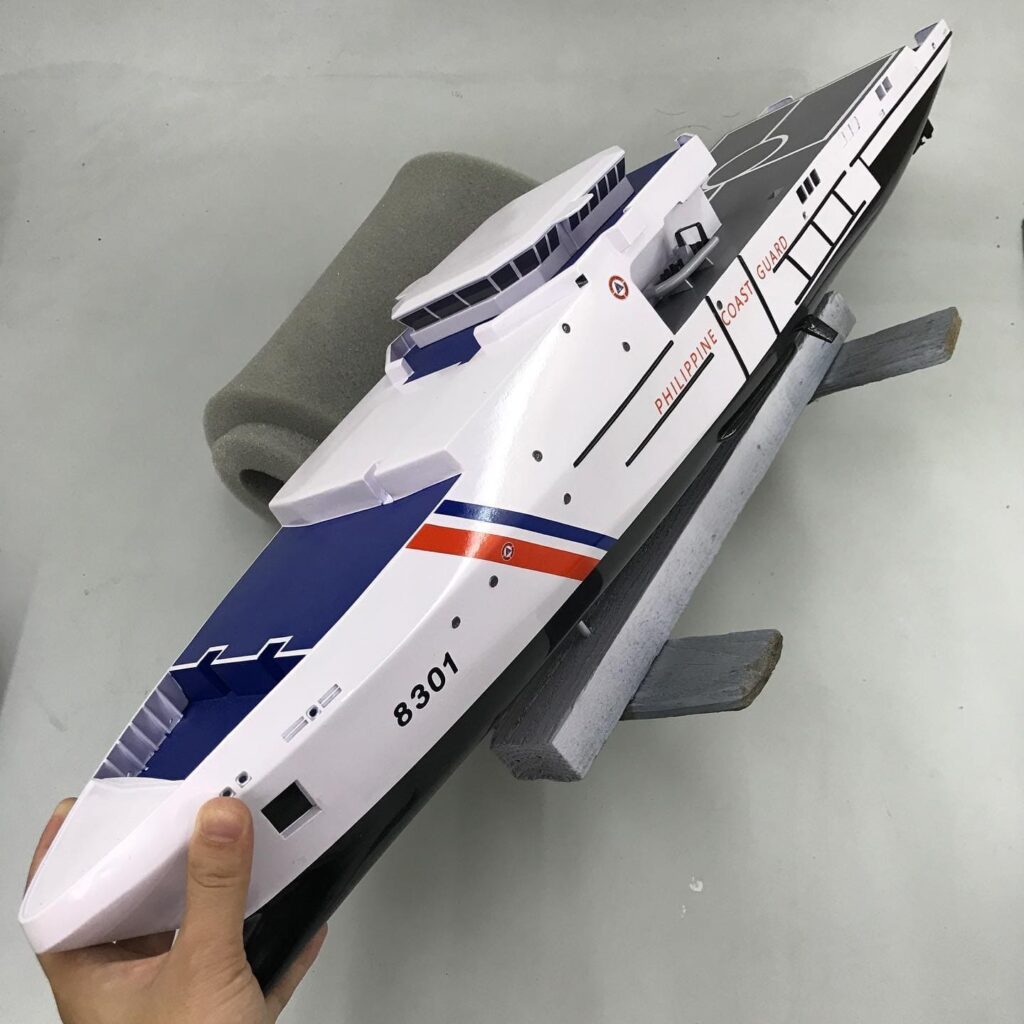
For the aviation or automotive collector who has not yet explored maritime subjects, the boat model category offers subjects that carry a historical depth unavailable in either of the younger traditions. A ship of the line from the Napoleonic period, reproduced in the Admiralty style with individually planked hull, rigged masts, and period-accurate cannon placement, is a craft object of a quality that contemporary aviation and automotive replicas approach but do not exceed. Including a maritime subject in a primarily aviation or automotive collection is not a concession to another discipline. It is an acknowledgement that the most sophisticated scale model tradition predates both of them — and has things to teach both of them about what the craft is capable of.
The Automotive Dimension — What Miniature Cars Add to the Story
The automotive subject brings a dimension to a multi-category collection that neither aviation nor maritime can supply: accessibility. The car is the machine that most people have a direct operational relationship with — not as a professional skill, as aviation requires, or as a specialist knowledge, as seafaring demands, but as the unremarkable daily experience of getting from one place to another in a vehicle they drive themselves. The miniature cars in a multi-category display are the subjects that most visitors will engage with first — the Ferrari they always wanted, the race car from the season they followed, the ordinary vehicle that carried them through a significant period of their life. That engagement is the entry point from which the less immediately familiar aviation and maritime subjects become approachable.
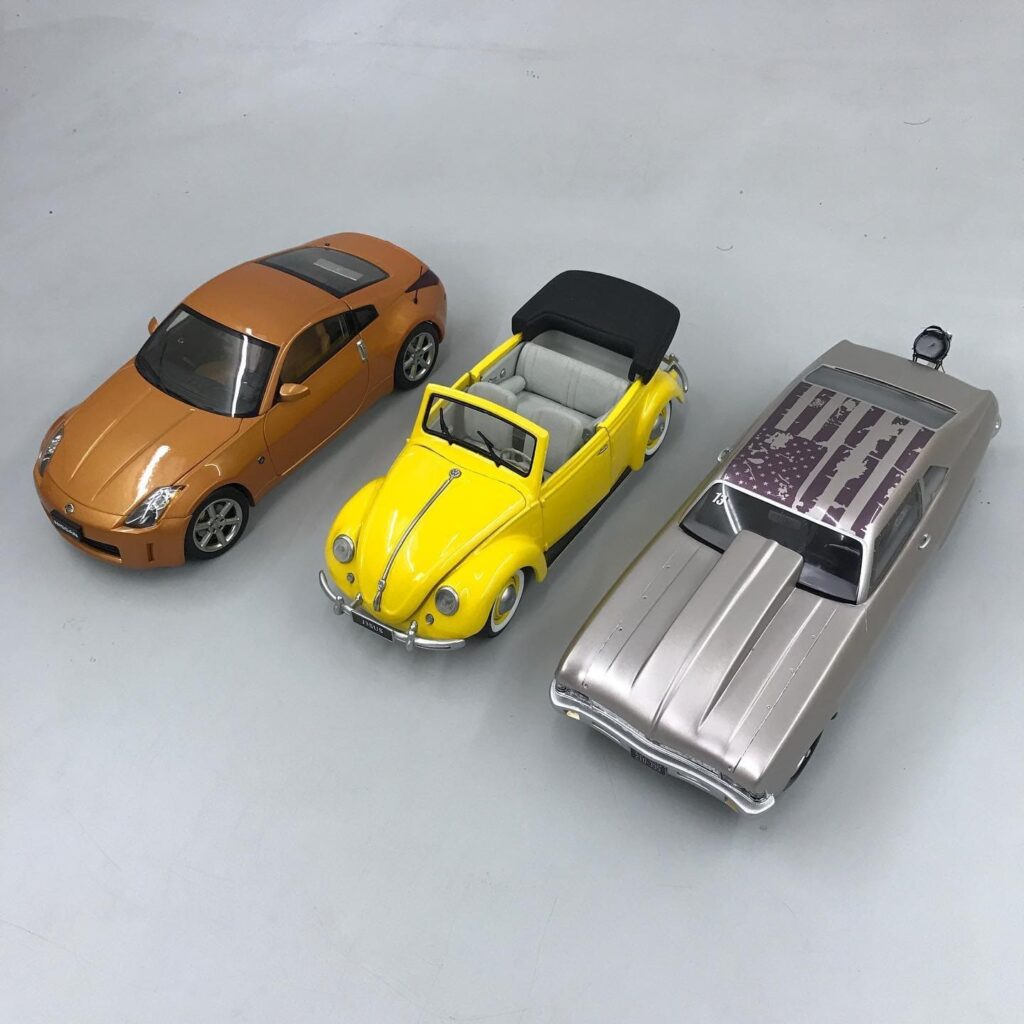
The automotive collector who expands into aviation and maritime subjects finds that the collecting logic transfers completely. The same attention to variant accuracy, period-correct markings, and construction quality that distinguishes a serious automotive collection from a generic one applies identically to aircraft and vessel subjects. The discipline is portable. The knowledge builds across categories rather than remaining siloed within one. And the collection that results from that cross-category discipline is consistently more interesting — to the collector and to anyone who sees it — than the single-category alternative.
The single-category collection shows what one discipline’s machines looked like. The multi-category collection shows what human engineering looked like — across every environment it has attempted to master simultaneously.
How to Build a Multi-Category Collection With Coherence Rather Than Clutter
The risk in multi-category collecting is the loss of the curatorial principle that makes a collection coherent rather than accumulated. A shelf containing a Spitfire, a Ferrari 250 GTO, and a frigate from the age of sail is a more interesting display than any one of them alone — but only if the three subjects are connected by a principle that the viewer can read. Period coherence is the simplest connecting principle: subjects from the same decade, regardless of category, share a design vocabulary, a materials knowledge, and an engineering ambition that makes their proximity logical. A WW2 Spitfire alongside a WW2 PT boat alongside a 1940s Grand Prix car is a display about what the 1940s produced across three engineering categories. The connection is immediately legible.
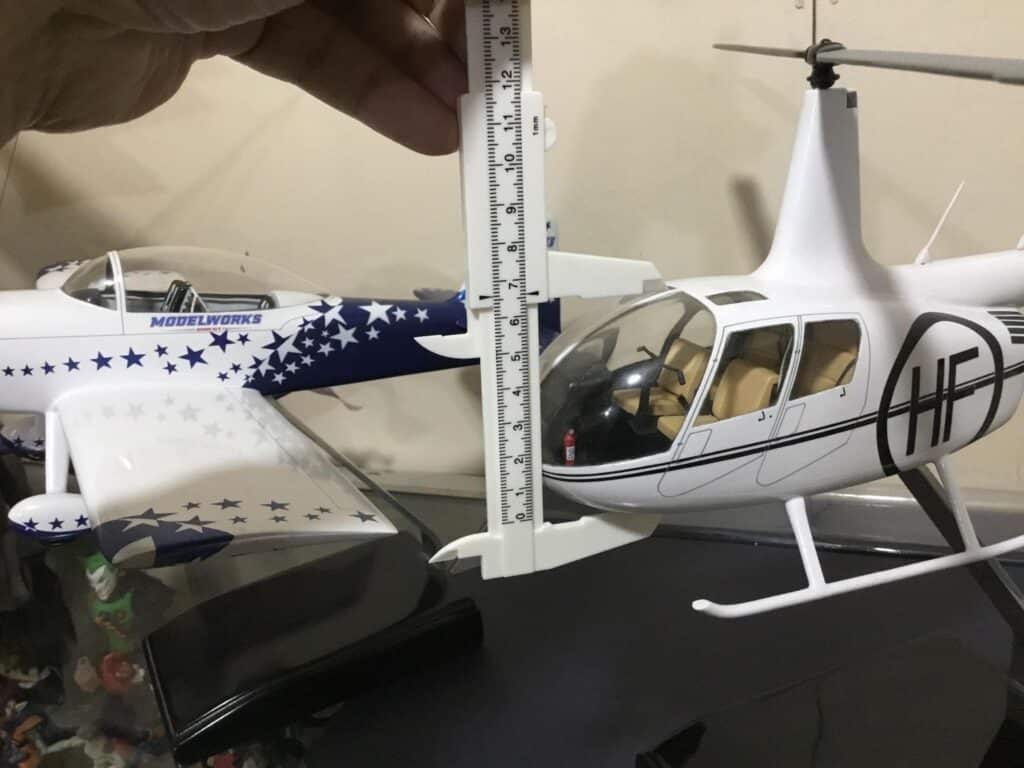
Scale consistency is the second principle worth maintaining. A collection where aviation subjects are at 1:48, maritime subjects are at 1:75, and automotive subjects are at 1:18 has no visual coherence — the size relationships between displayed objects bear no relationship to the size relationships of the full-size originals. Before commissioning cross-category pieces, use the scale calculator to determine which scale across categories produces the display dimensions that make sense for the available space — and maintains the relative size relationships that make the multi-category display historically honest.
The third principle is quality consistency. A collection where one category is represented by commissioned hand-built replicas and another by budget production die-cast will read as two different collections sharing a shelf rather than one coherent display. The quality level should be consistent across categories — whatever standard the aviation subjects represent, the maritime and automotive subjects should meet it. For guidance on specific subject choices within each category, the military aviation collector’s guide covers aviation subjects in detail.
Frequently Asked Questions
Should a scale model collection focus on one category or span multiple?
Both approaches produce legitimate and rewarding collections through different collecting philosophies. Single-category collections achieve depth and comprehensiveness within a specific discipline — the collector who has documented every significant fighter type from WW1 to the present has built something that a multi-category collector cannot match within aviation. Multi-category collections achieve a breadth of historical argument that single-category displays cannot — the collector who spans aviation, maritime, and automotive has documented human engineering ambition across three environments simultaneously. The right approach depends on whether depth or breadth is the primary collecting value.
What connecting principle makes a multi-category collection coherent?
The most effective connecting principles for multi-category collections are period coherence (subjects from the same historical era share design vocabulary and engineering context), national identity (the aviation, maritime, and automotive output of a specific country in a specific period), or engineering philosophy (subjects across categories that represent the same approach to performance — maximum speed, or minimum weight, or maximum payload). Any of these principles, applied consistently, produces a display where the subjects inform each other rather than simply coexisting.
How do I maintain scale consistency across aviation, maritime, and automotive subjects?
Calculate the display dimensions of your intended subjects at candidate scales before selecting. A WW2 fighter at 1:48, a WW2 destroyer at 1:600, and a WW2 Grand Prix car at 1:43 will all produce models of roughly similar physical size — allowing period-coherent display with approximate size relationships. For precise calculations, the model scale calculator handles the arithmetic across all three categories and allows direct comparison of display dimensions before any acquisition decision is made.
The Collection That Tells the Complete Story
The aircraft on the shelf tells the story of aviation. The boat model alongside it tells the story of seafaring. The miniature car beside both tells the story of the road. Together, in the right period and at the right scale, they tell the story of what human engineering looked like when it was pushing hardest against the limits of what the materials and knowledge of a specific moment in history permitted. That is a more complete story than any single discipline can tell — and it is the story that the most interesting multi-category collections are always, in the end, trying to document.
The shelf that holds it is not a display of hobby interests. It is an argument about human capability — specific, three-dimensional, and impossible to make as honestly in any other format. Build it carefully. It is worth the attention.