
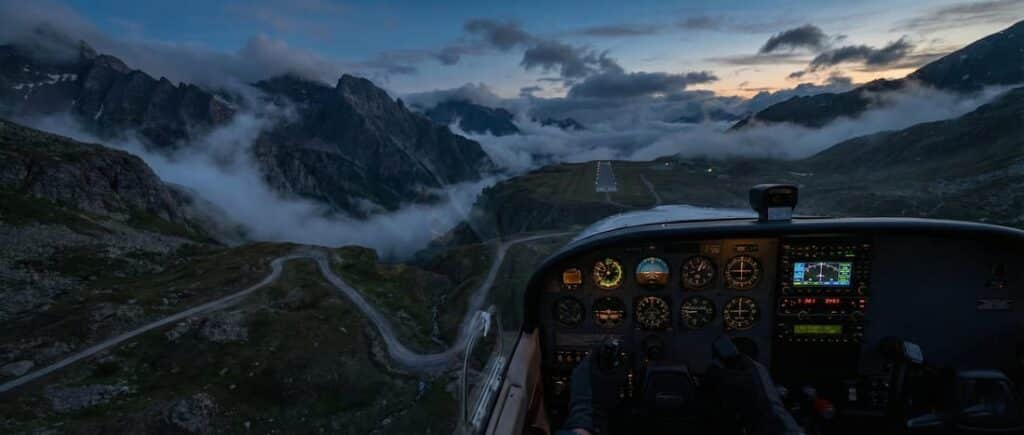
Airports are designed to remove uncertainty. Standardized procedures, carefully surveyed terrain, and well-documented approach paths exist to make every arrival predictable. Yet even in modern aviation, a handful of airports still make pilots pause during the preflight briefing.
Not because they’re unsafe.
Because they demand respect.
These airports compress terrain, weather, and runway limitations into a small margin for error. And even experienced crews know they’re about to earn their landing.
Terrain that leaves no room for hesitation
Most airports sit on wide, forgiving land. Plenty of space. Clear approach paths. Time to stabilize the aircraft before touchdown.
Some airports don’t offer that luxury.

Mountain terrain forces aircraft into narrow valleys. Pilots must follow precise paths that feel more like threading a needle than flying an approach. There’s often no option to straighten out miles ahead of the runway. The aircraft must already be perfectly configured before the runway even appears.
Once committed, there’s little room to improvise.
Short runways and steep approaches
Long runways buy time. Short ones remove it.
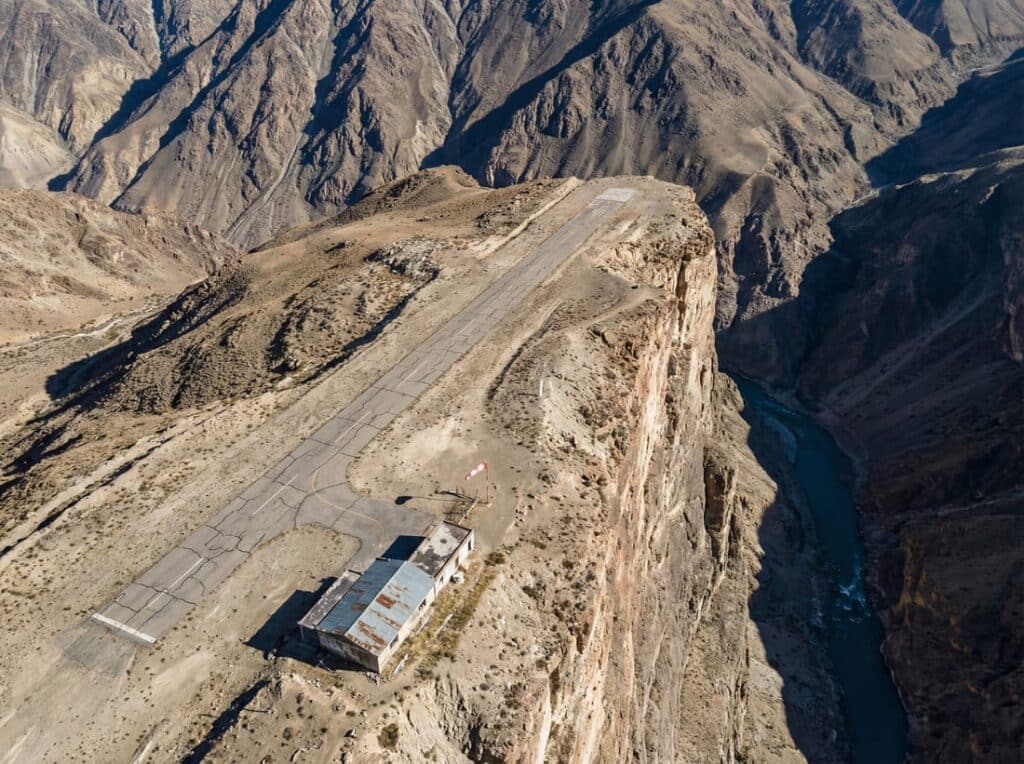
Certain airports require steep descent angles far beyond the gentle slopes used at most major hubs. This means higher descent rates, tighter speed control, and very little tolerance for floating during landing. If the aircraft isn’t stable at the correct point, the safest decision is to go around immediately.
That pressure isn’t panic-inducing, but it is mentally demanding. Every step must happen on schedule.
Weather that changes faster than forecasts
Wind is rarely steady in mountainous or coastal environments. Air flowing over ridges creates turbulence and sudden wind shifts. Clouds form and dissipate quickly. Visibility can change in minutes.
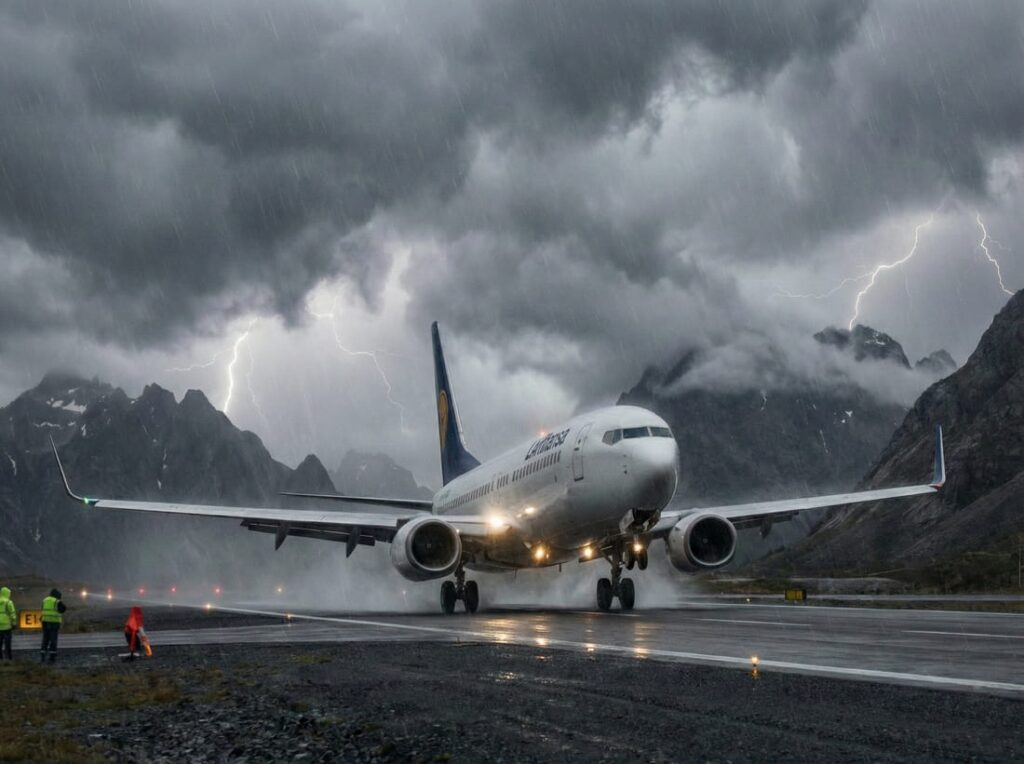
Pilots train for these conditions, but unpredictable weather adds workload at the exact moment precision matters most. You might brief for one set of conditions and face another on arrival.
That constant adjustment keeps crews alert.
Limited navigation margins
At many challenging airports, instrument procedures are tightly designed around surrounding terrain. Deviating even slightly from the published path can quickly reduce safety margins.
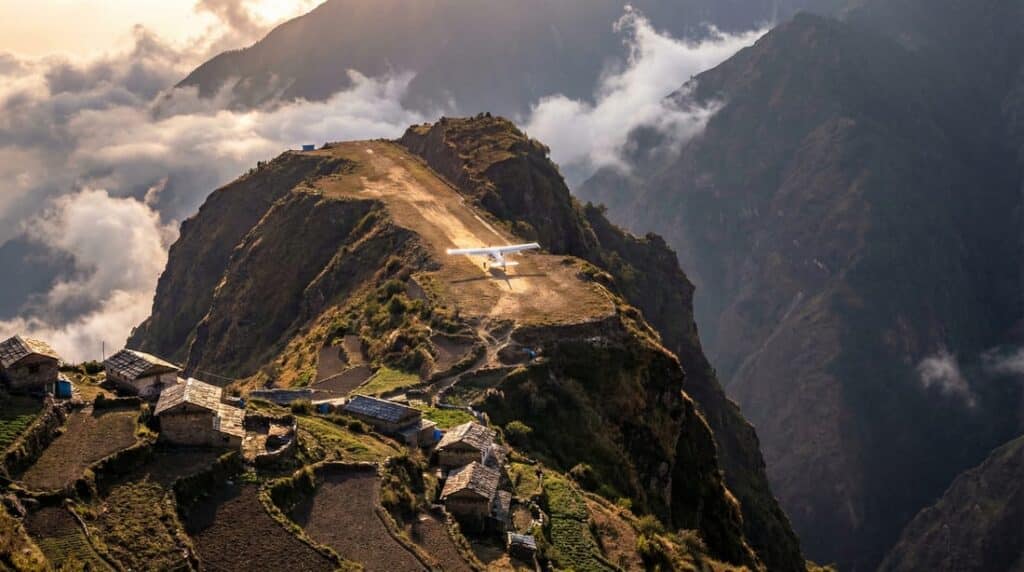
Modern navigation systems help immensely, but the mental workload remains high. Pilots must monitor altitude, position, speed, and configuration continuously. There’s no opportunity to relax until the aircraft is safely on the ground.
Famous airports that demand extra training
Some airports are so demanding that airlines require special training before pilots can fly there. These destinations aren’t avoided — they’re respected.
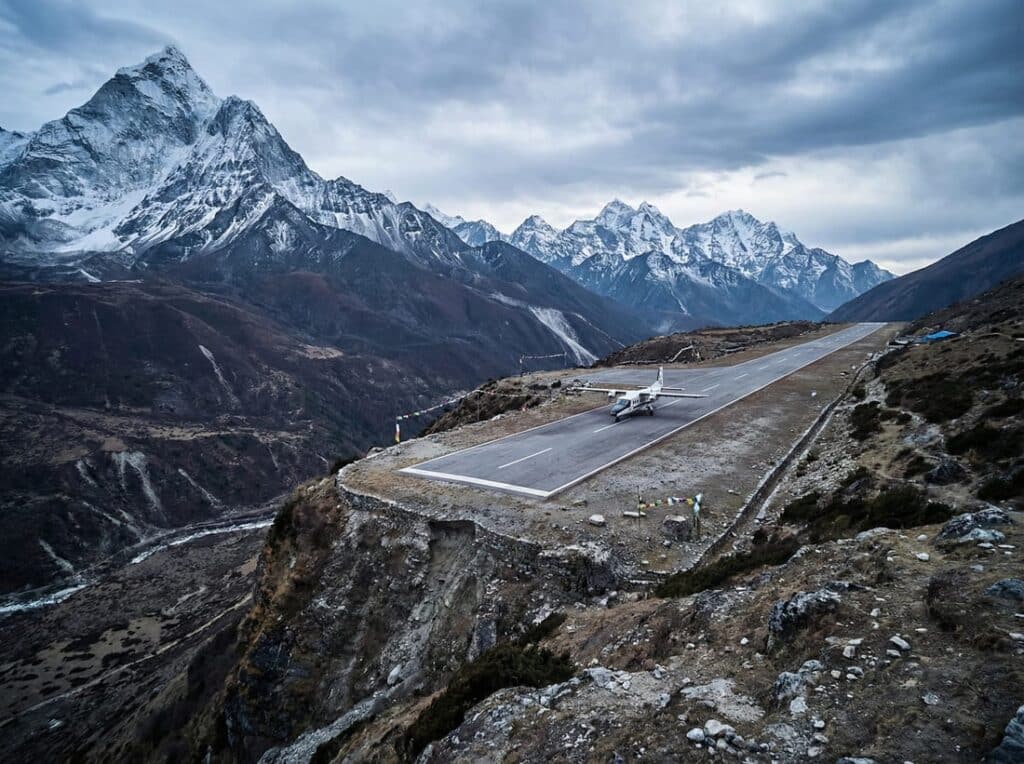
Airports like Lukla in Nepal, Madeira in Portugal, and Courchevel in the French Alps are often mentioned in pilot conversations. Each combines terrain, runway limitations, and weather in ways that make routine operations feel anything but routine.
Flying into them becomes a professional milestone.
Why fear isn’t the right word
Pilots rarely describe these airports as frightening. The better word is focused.
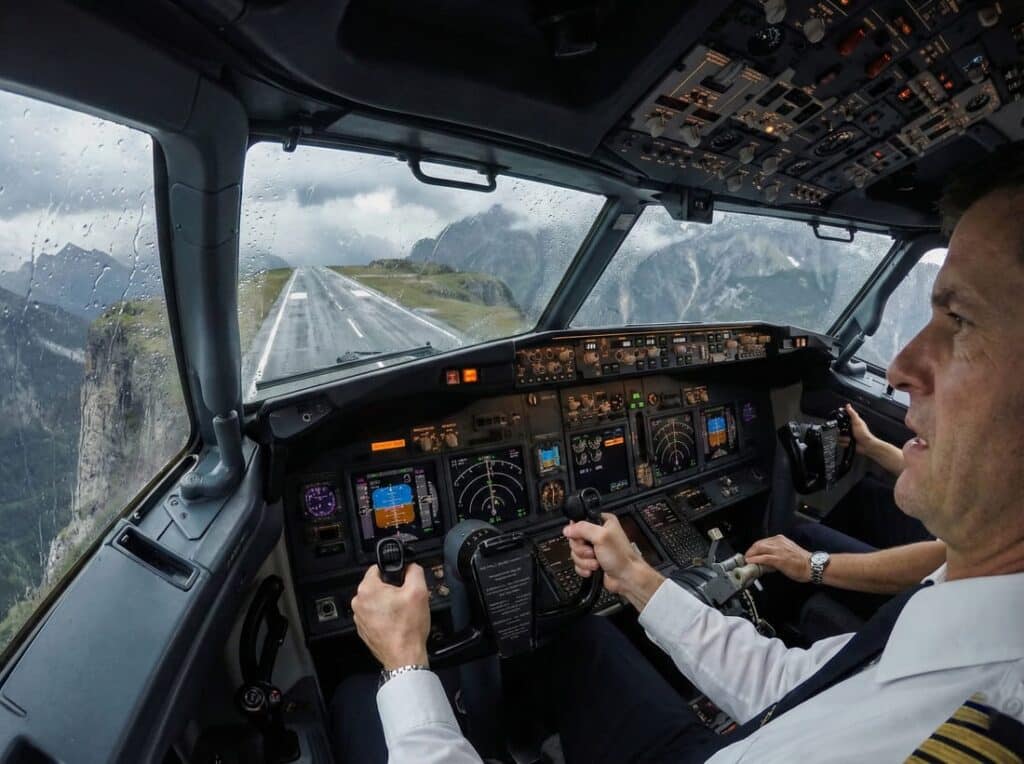
Challenging airports demand preparation, discipline, and respect for procedure. They remind crews that flying isn’t just about automation and routine. It’s about judgment, skill, and attention at exactly the right moment.
That challenge is part of what makes aviation compelling.
Why these airports fascinate enthusiasts
Aviation enthusiasts are drawn to these places for the same reason pilots remember them. They represent the edge of routine operations — where skill and environment meet in visible ways.
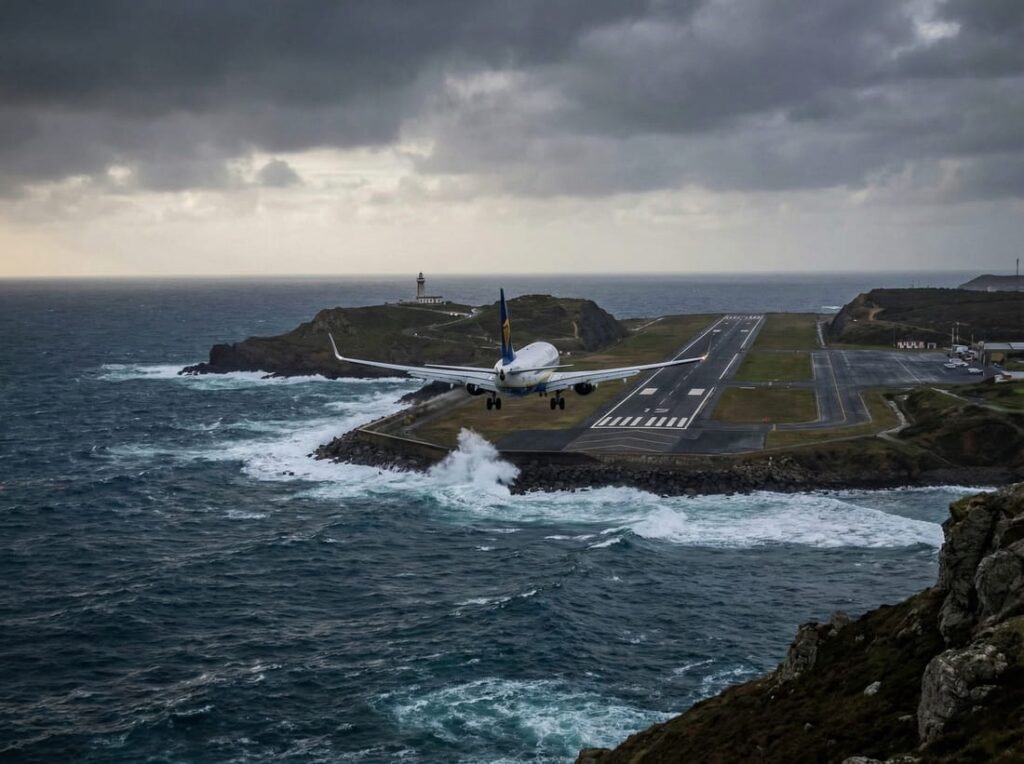
That fascination often carries beyond the runway. Models and replicas of aircraft landing in these environments capture a story, not just a machine. They reflect the moment when geography, weather, and human skill align.
It’s aviation at its most human.
Respect, not fear
Air travel today is remarkably safe. That includes flights into challenging airports. Procedures are refined, training is rigorous, and margins are carefully protected.
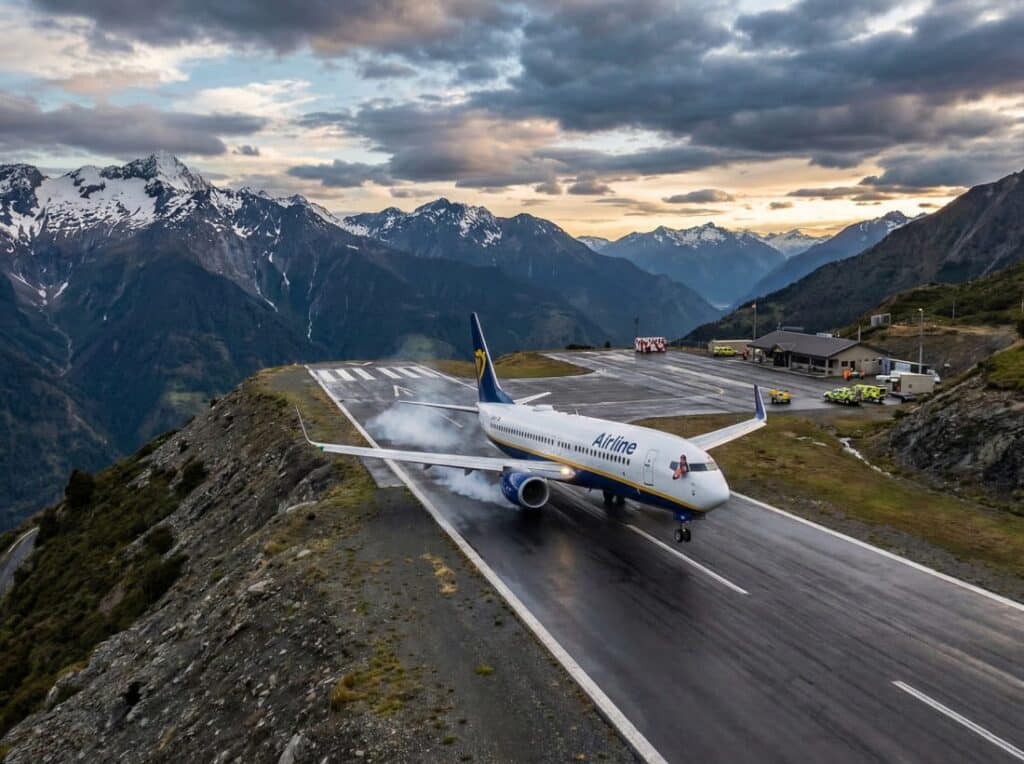
But a few destinations still demand extra focus. Extra preparation. Extra respect.
And in a profession built on discipline and precision, that respect never really fades.
Because even in the age of advanced automation, the environment still has the final say.