
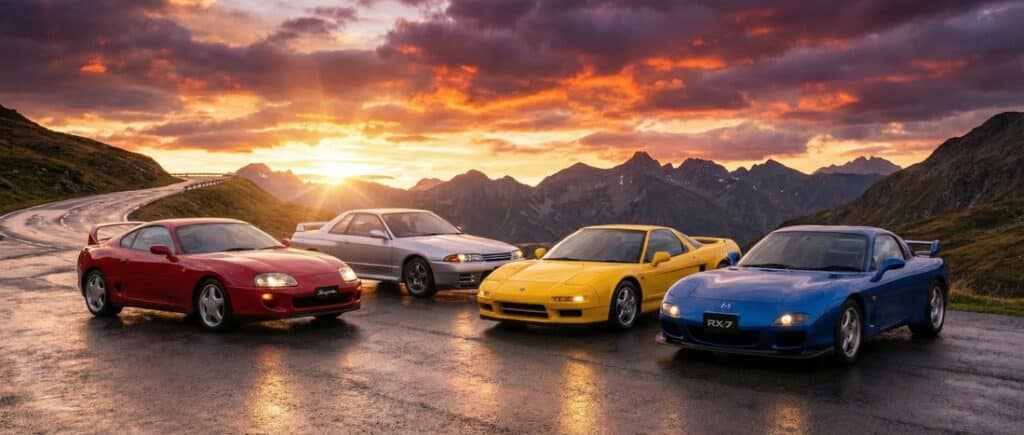
Not long ago, 1990s cars were the ones you bought cheap, modified badly, and didn’t worry too much about. They were the in-between generation—too new to be classic, too old to feel modern. The awkward middle child of the automotive timeline.
Then something changed.
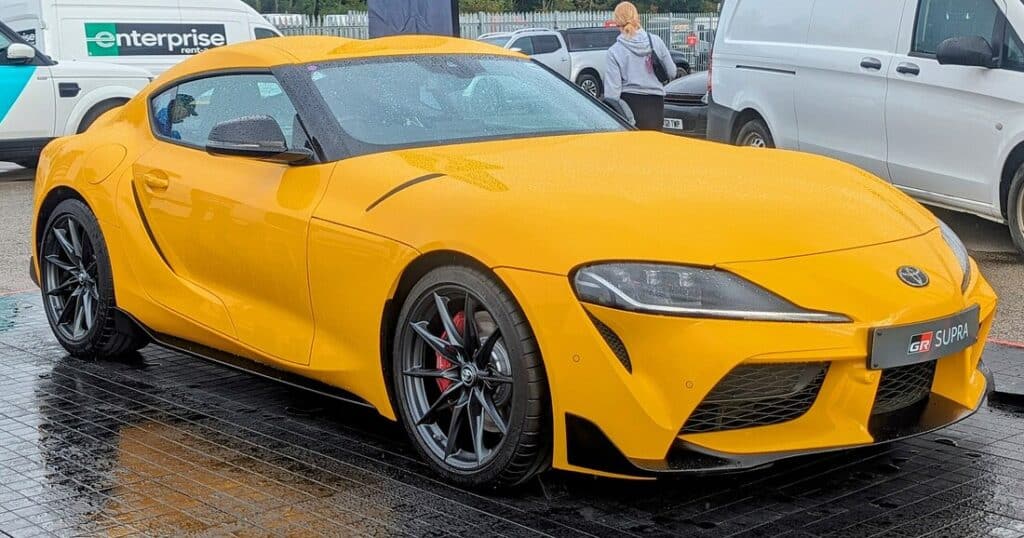
Auction results started climbing. Clean examples disappeared from classifieds. Cars that once sat ignored at the back of used lots suddenly showed up in climate-controlled garages and collector conversations. The shift didn’t happen overnight, but once you notice it, you can’t unsee it.
The ’90s have officially crossed the line into collectibility.
The nostalgia clock finally caught up
Collectors tend to chase the cars they grew up dreaming about. For years, that meant the ’60s and ’70s muscle era. Then the ’80s started getting attention. Now the generation that grew up with Gran Turismo, early Fast & Furious movies, and late-night tuner magazines has reached peak earning years.
And they’re buying their posters.
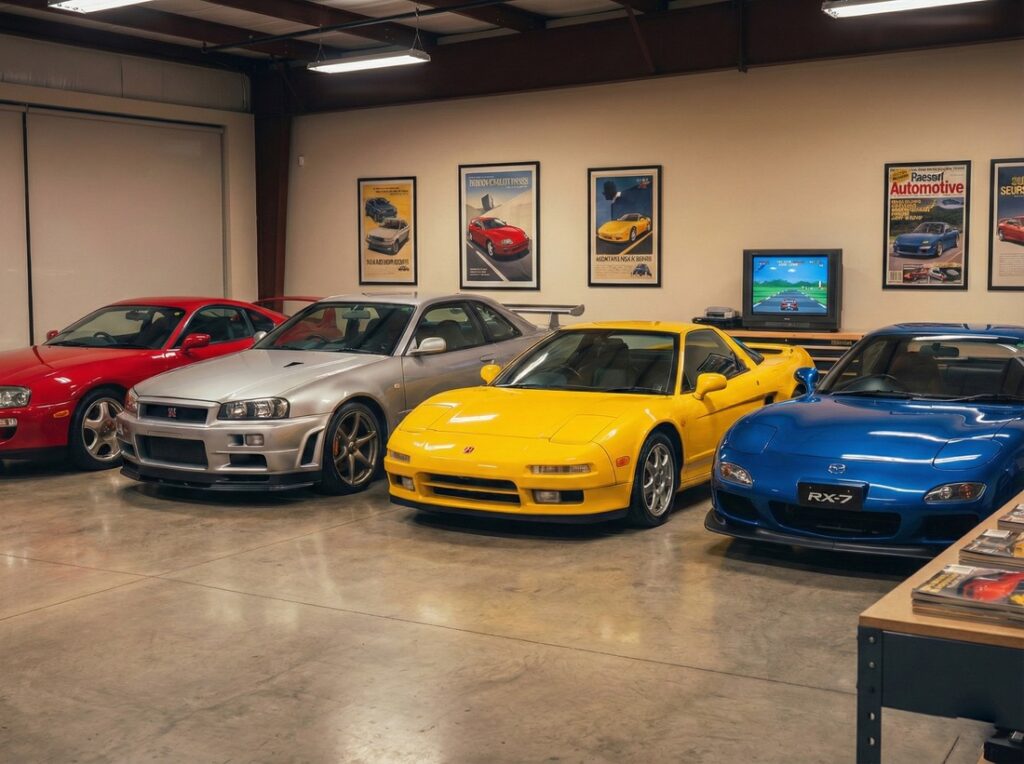
Cars like the Supra, Skyline, NSX, and RX-7 aren’t just vehicles—they’re cultural artifacts tied to video games, movies, and the early internet car scene. They shaped how an entire generation learned to love cars. That emotional connection matters more than raw horsepower figures ever could.
The last era of analog performance
Modern performance cars are astonishingly capable. They’re also increasingly digital.
The ’90s sit in a sweet spot between old and new. Fuel injection was reliable. Turbos were getting serious. Suspension technology had matured. Yet most cars still felt mechanical, tactile, and refreshingly imperfect.

Steering had feedback. Gearboxes demanded attention. Turbo lag was part of the experience, not something software smoothed away.
Driving them feels interactive in a way that’s getting harder to find.
Collectors notice that.
Limited survivors, endless modification
Here’s the uncomfortable truth: many ’90s performance cars didn’t survive in original condition.
They were modified. Tuned. Drifted. Street raced. Wrapped in questionable body kits. Engines swapped. Interiors stripped. Some were driven into the ground and forgotten entirely.
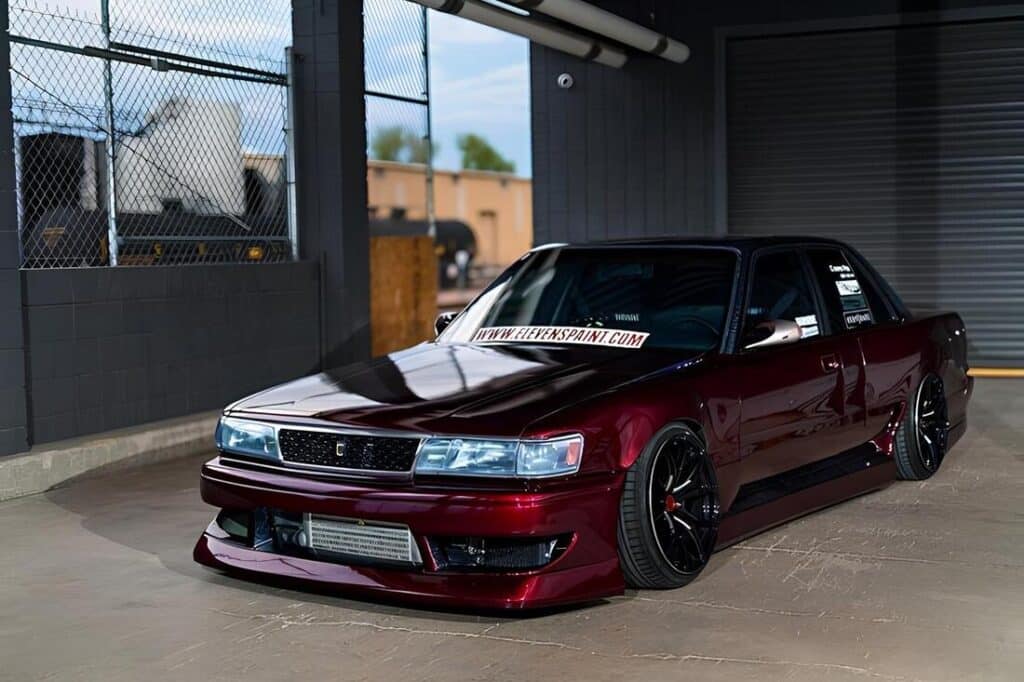
Finding an unmolested example today is surprisingly difficult. Low-mileage, original-condition cars suddenly feel rare in a way nobody predicted twenty years ago.
Scarcity has a way of rewriting value.
Japanese performance finally got global recognition
For years, Japanese performance cars were admired but undervalued in the collector world. European exotics and American muscle dominated auctions and magazine covers.
That hierarchy has shifted dramatically.

The engineering credibility, motorsport heritage, and cultural influence of Japanese performance cars are now impossible to ignore. Import laws changed. Global markets opened up. Buyers from around the world began competing for the same limited pool of clean cars.
Values followed demand upward.
They represent a turning point in car culture
The 1990s marked the moment car culture became global and digital.
Forums replaced local garages. Magazines reached international audiences. Video games introduced obscure models to millions of players who might never see one in real life. Car enthusiasm stopped being regional and started becoming shared worldwide.
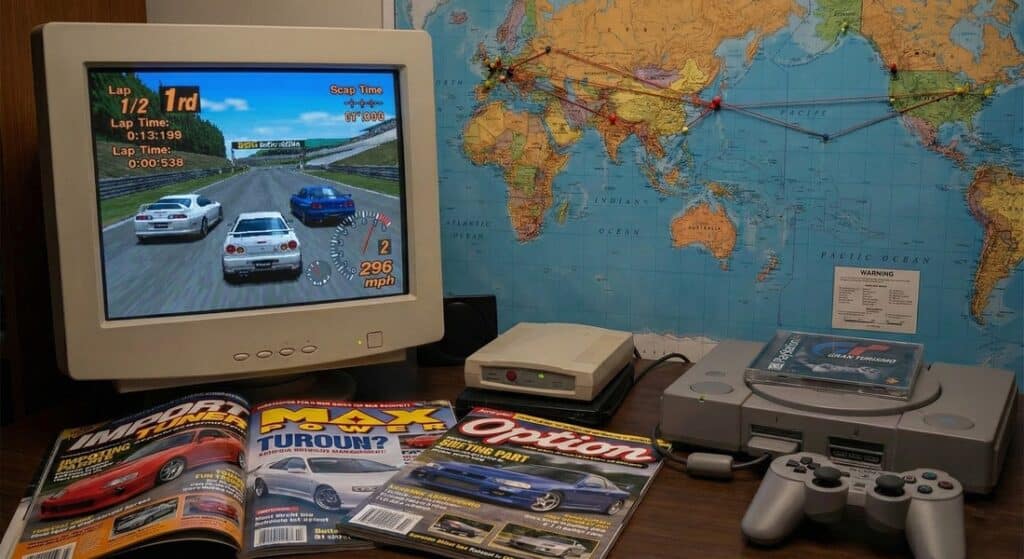
These cars are artifacts from the moment automotive passion went global.
That kind of cultural shift doesn’t fade—it compounds.
Why the trend isn’t slowing down
The supply of clean cars isn’t increasing. The number of people who grew up loving them is. That imbalance tends to push values in one direction.
But the appeal goes deeper than investment potential. These cars feel approachable, understandable, and human. Fast enough to thrill, simple enough to maintain, modern enough to live with.
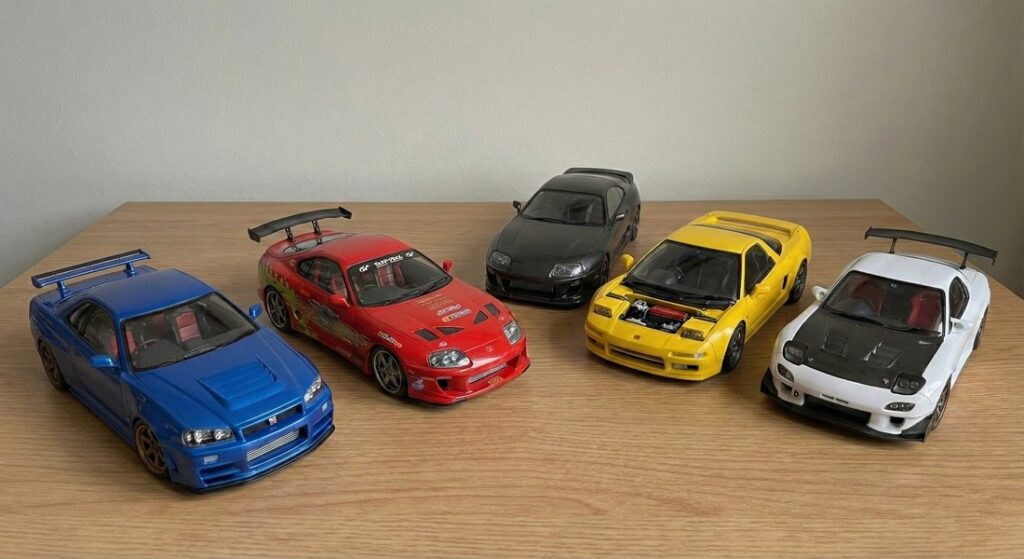
They occupy a rare middle ground that’s getting harder to find.
And that’s why they’re moving from used-car nostalgia into true collector territory—whether they end up in garages, museums, or as carefully crafted custom car models that preserve the shapes and stories of a decade that quietly reshaped car culture forever.