

Talk to pilots long enough and you’ll hear a sentence that surprises non-aviators:
“I trust the older airplane more.”
That doesn’t mean pilots think modern aircraft are unsafe. Far from it. New airplanes are incredibly capable, efficient, and statistically reliable. But trust, in aviation, isn’t built on statistics alone. It’s built on understanding, predictability, and experience — and that’s where older aircraft quietly hold their ground.
You can understand an old airplane without a laptop
Older aircraft were designed in an era when systems had to be explainable with diagrams, not software updates. Fuel flows through visible lines. Control cables move pulleys you can inspect. Electrical systems are simple enough that many pilots can trace a fault themselves.
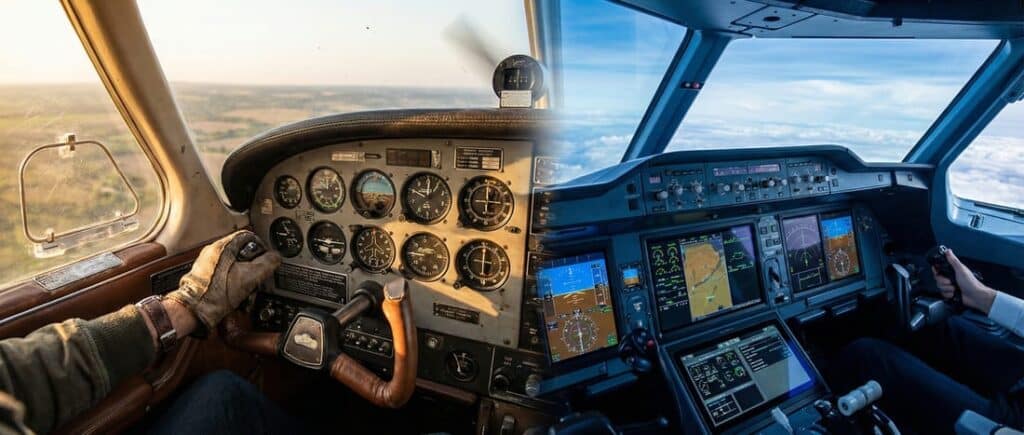
That transparency matters.
When something behaves oddly, pilots can usually tell why. They don’t need to guess whether it’s a sensor, a logic conflict, or a software edge case. The airplane tells its story clearly, and that clarity builds confidence.
Trust grows when nothing feels hidden.
Proven designs earn confidence over time
Many older aircraft have flown for decades under every imaginable condition. Heat, cold, turbulence, short runways, rough maintenance environments. Their weak points are known. Their strengths are proven. Their behavior in abnormal situations is documented through real-world experience, not just simulations.
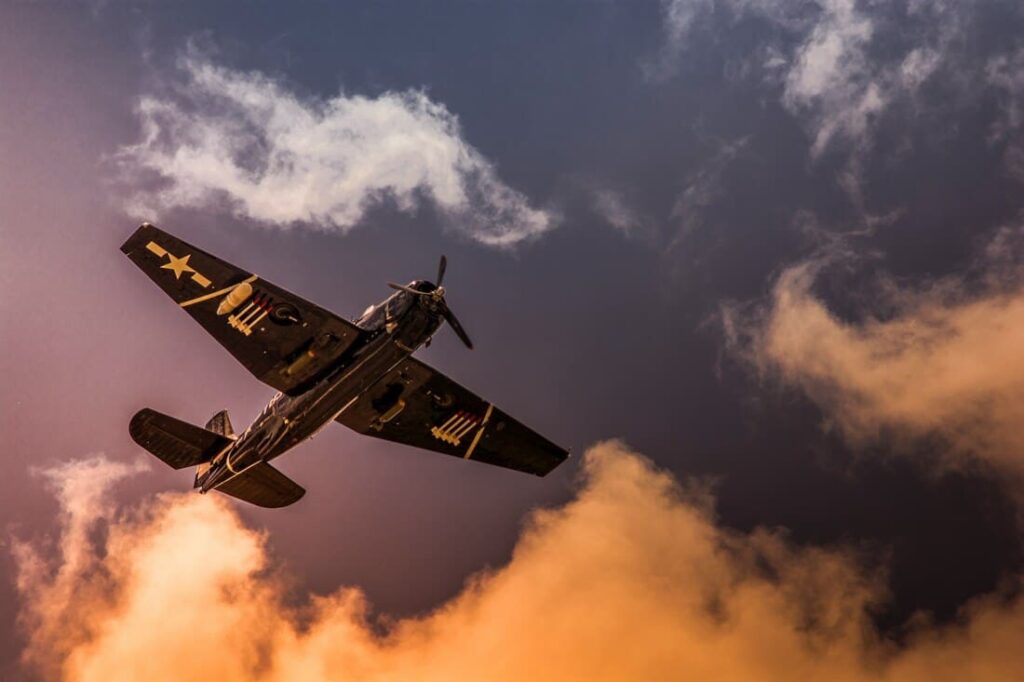
That history matters more than marketing claims.
A pilot stepping into a 50-year-old airframe knows exactly how it behaves when heavy, when light, when hot, and when pushed. There’s comfort in flying something that has already shown how it fails — and how it survives.
New aircraft rely on layers you can’t always see
Modern aircraft are systems of systems. Sensors feed computers. Computers talk to other computers. Protections intervene constantly, often invisibly. Most of the time, this works brilliantly.
But when something doesn’t make sense, pilots are sometimes left managing symptoms rather than causes.
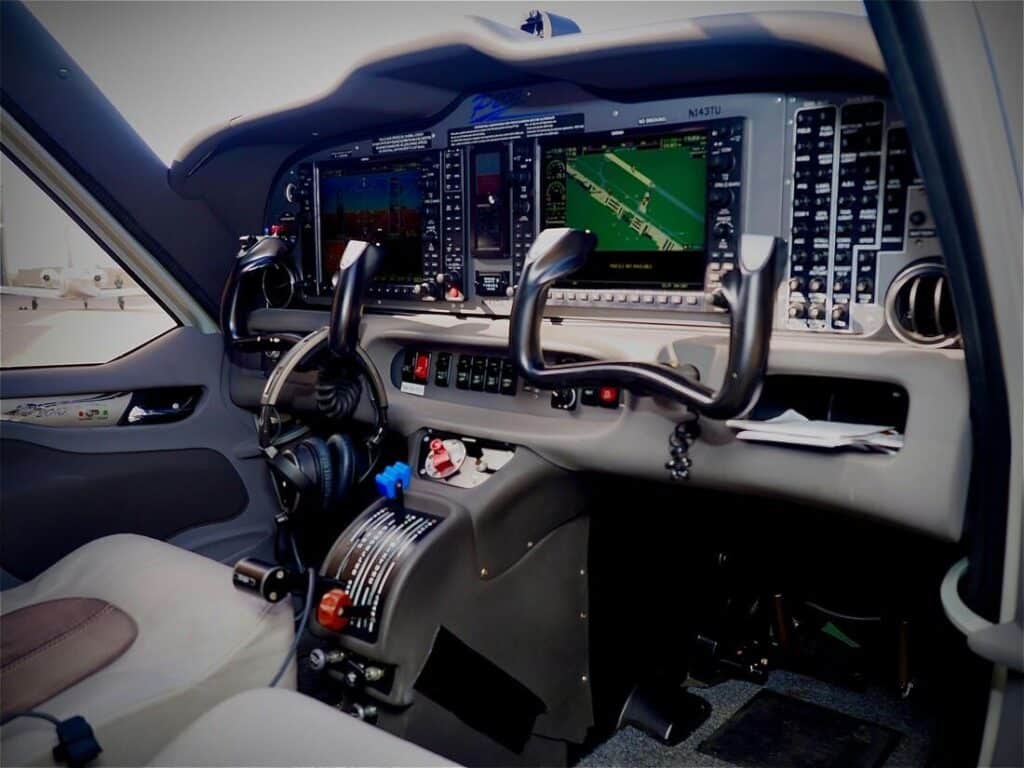
You might see an alert without fully knowing why it triggered. You might follow a checklist that resolves the message without ever understanding the root issue. The airplane remains safe, but the relationship changes. You’re trusting logic you didn’t build and can’t directly observe.
For some pilots, that distance feels uncomfortable.
Older aircraft reward skill instead of hiding mistakes
Classic aircraft don’t smooth things over. If you’re sloppy with rudder, they let you know. If your energy management is off, you feel it immediately. There’s no automation quietly stepping in to rescue technique.
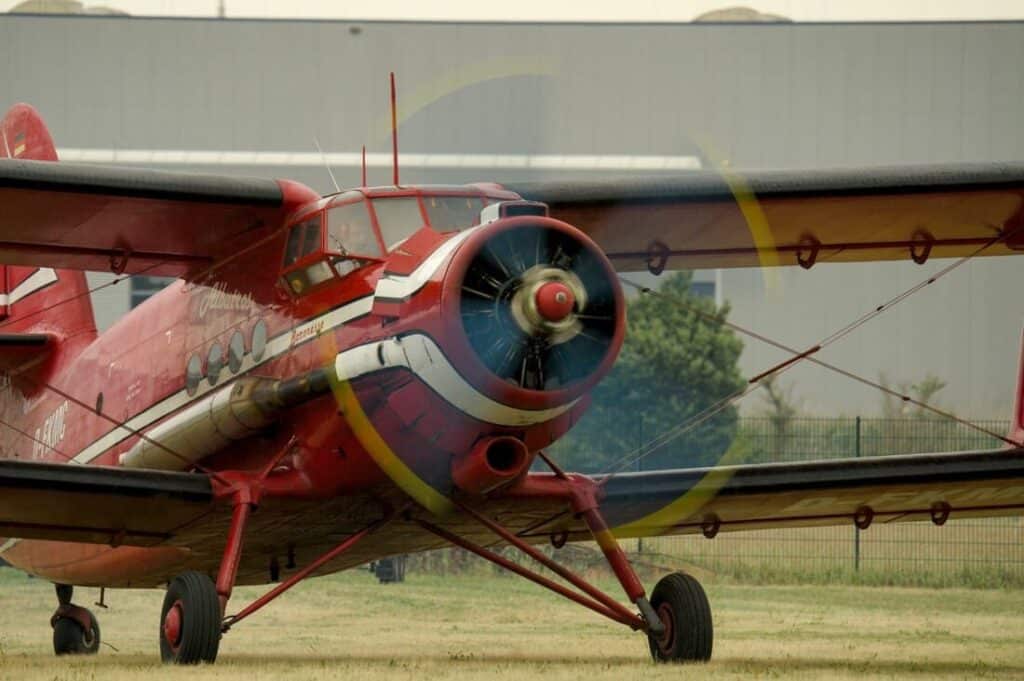
That direct feedback creates trust through accountability.
Pilots know that if the airplane is doing something unexpected, it’s usually because they did something unexpected. That clarity sharpens skills and reinforces confidence in both directions — pilot to machine, and machine to pilot.
Maintenance relationships matter
Older aircraft are often maintained by people who know them intimately. Mechanics who’ve worked on the same type for years. Sometimes decades. The airplane isn’t just a serial number in a fleet. It’s a known quantity with a personality and a history.
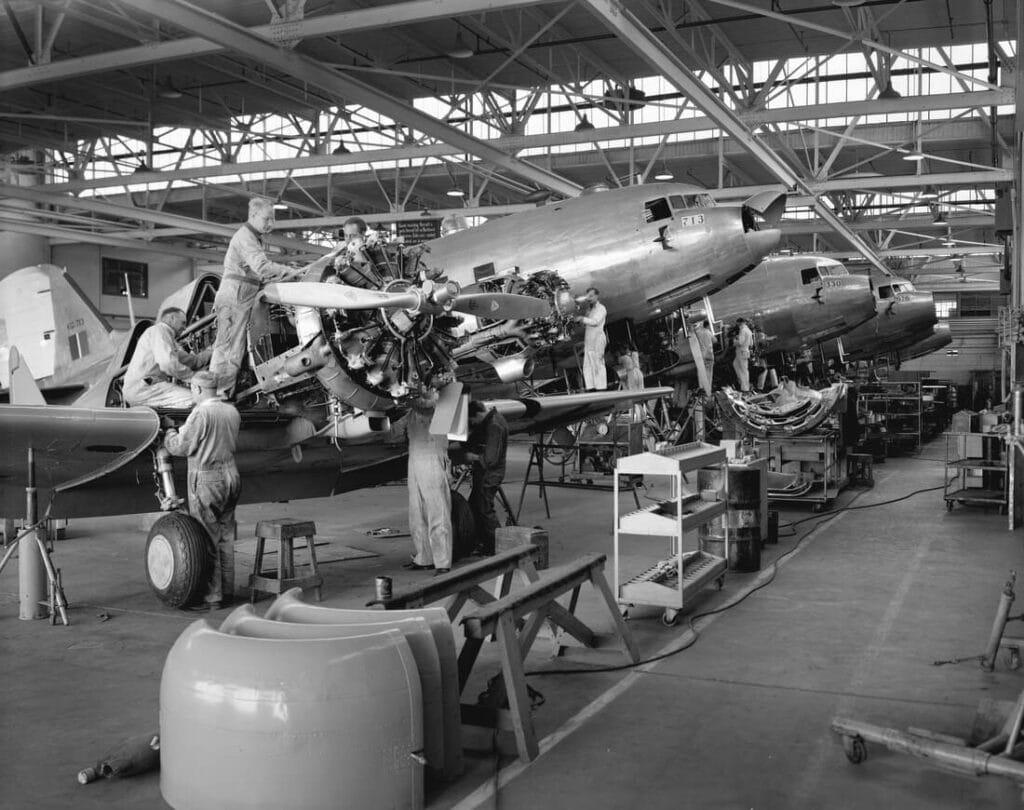
Pilots trust airplanes that are maintained by hands they know, not just systems that meet regulatory minimums.
That human continuity builds confidence in ways paperwork never fully can.
Trust isn’t about age. It’s about predictability.
Pilots don’t trust old aircraft because they’re old. They trust them because they’re predictable.
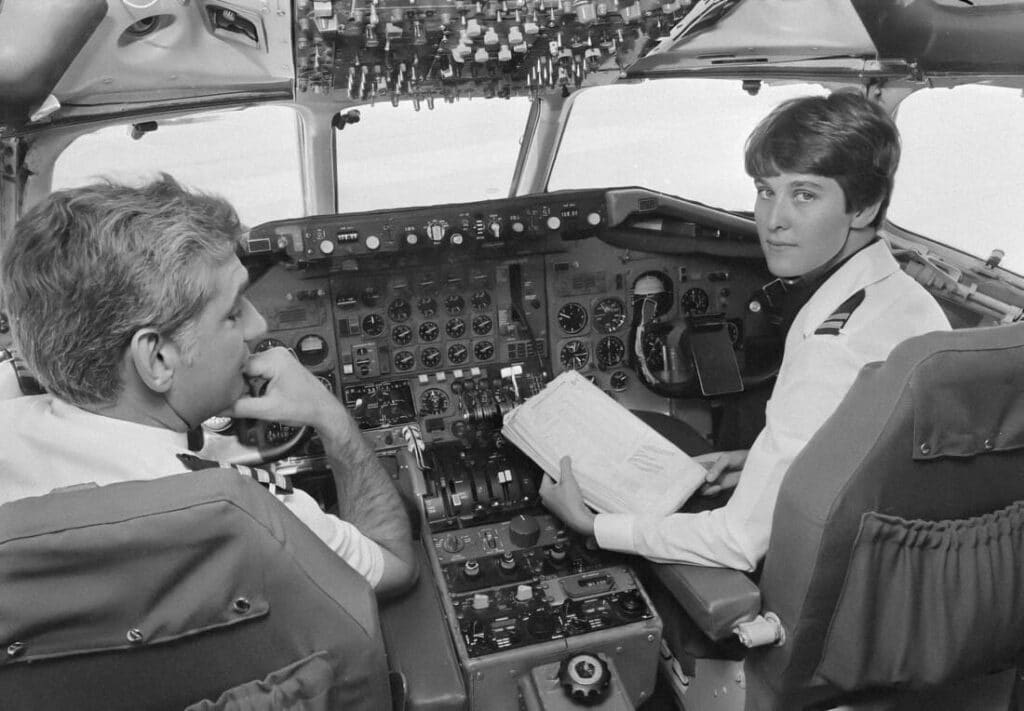
They know how the engine sounds when it’s healthy.
They know how the controls feel when everything is right.
They know what “normal” looks like without checking a screen.
When something changes, it stands out immediately. That early awareness is a powerful safety tool.
Modern aircraft are safer in many measurable ways, but they often communicate in abstraction: messages, cautions, logic trees. Older aircraft communicate physically, and many pilots still prefer that language.
Why this trust doesn’t fade with experience
As pilots gain experience, their tolerance for uncertainty shrinks. They don’t want surprises. They want airplanes that behave consistently, speak clearly, and reward attention.
That’s why seasoned pilots often gravitate back to older aircraft, even after flying the latest technology. Not because they reject progress, but because they value familiarity, honesty, and mechanical truth.
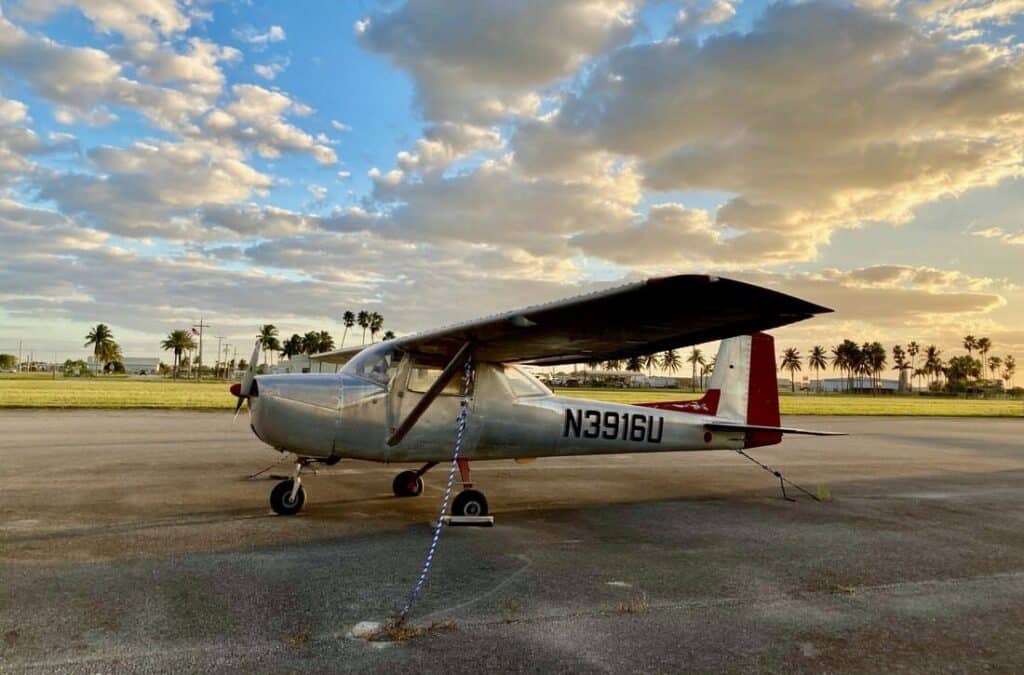
It’s also why these aircraft remain deeply respected beyond the cockpit. Enthusiasts and collectors are drawn to them because their design tells a story you can still read. A carefully built model of a classic aircraft often represents that trust in physical form — not nostalgia, but respect for machines that earned confidence one flight at a time.
Old trust in a new world
Aviation will keep advancing. Automation will grow. Software will become more central. And that’s not a bad thing.
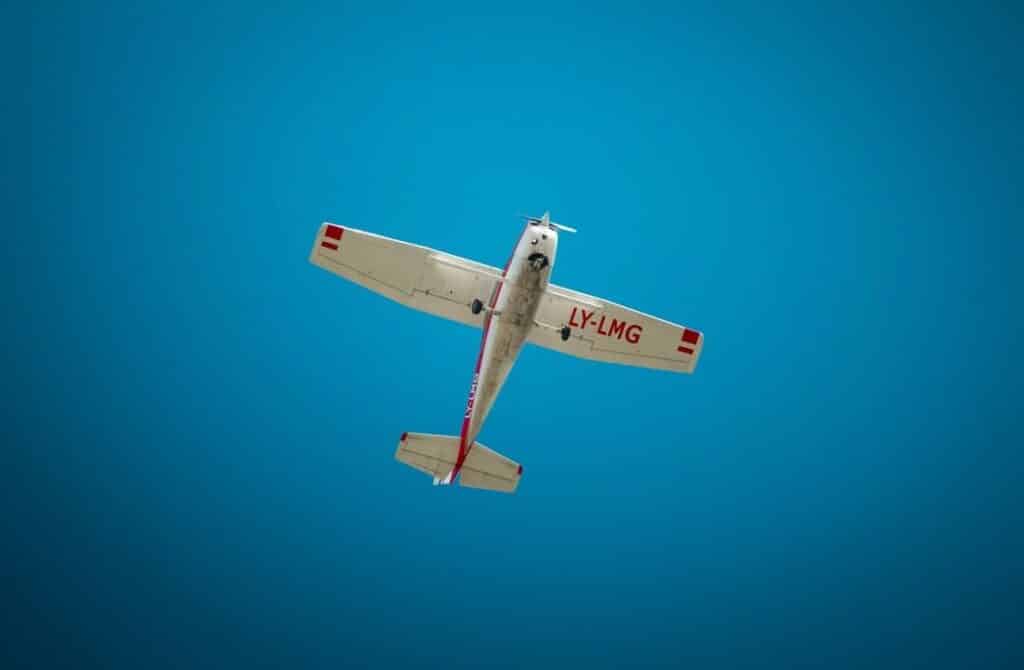
But trust isn’t only built on capability. It’s built on understanding.
Older aircraft earned trust slowly, through repetition, transparency, and time. And for many pilots, that kind of trust still feels stronger than anything delivered overnight — no matter how advanced it looks on paper.