
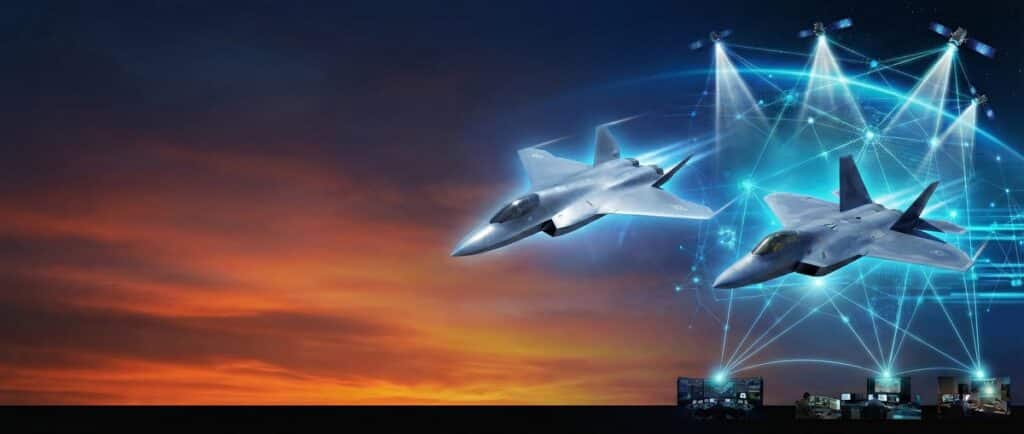
For most of aviation history, survival in combat meant flying faster, higher, or turning tighter than the opponent. Then radar changed everything. Suddenly, being fast wasn’t enough if the enemy could see you coming from hundreds of miles away.
Stealth aviation was born from that uncomfortable realization: the safest aircraft might be the one nobody detects in the first place.
When invisibility became the new speed
The Cold War pushed radar technology forward at a relentless pace. Surface-to-air missiles grew smarter, detection ranges increased, and the skies became far less forgiving. By the 1970s, engineers understood a difficult truth. Eventually, radar would outrun raw speed and maneuverability.
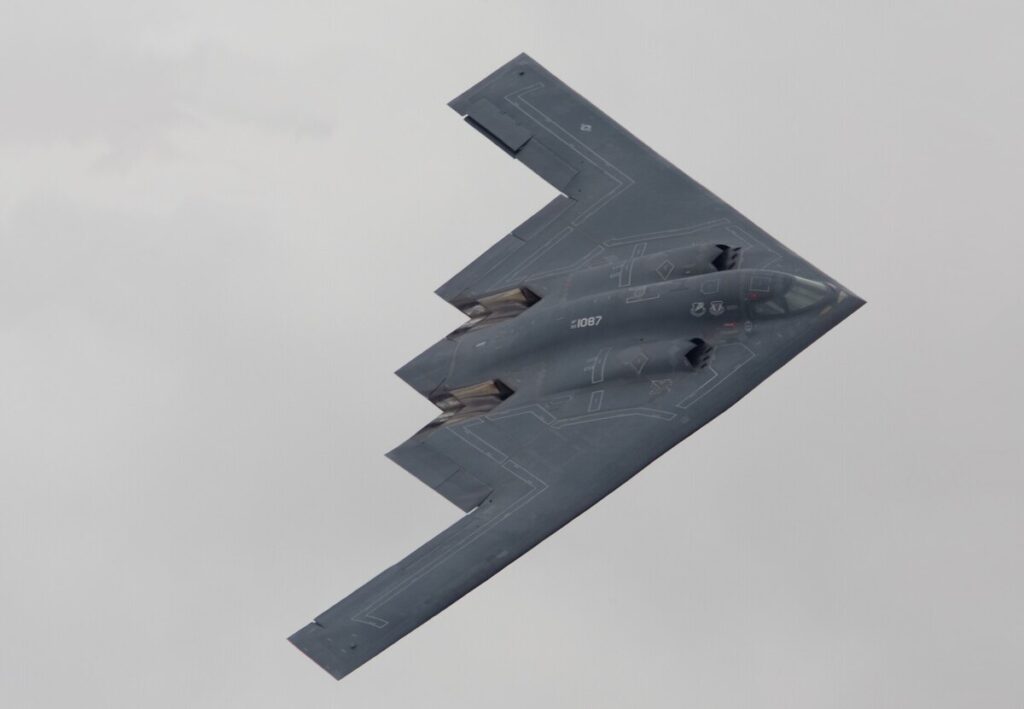
The response wasn’t bigger engines or sharper wings. It was a new design philosophy built around reducing radar visibility.
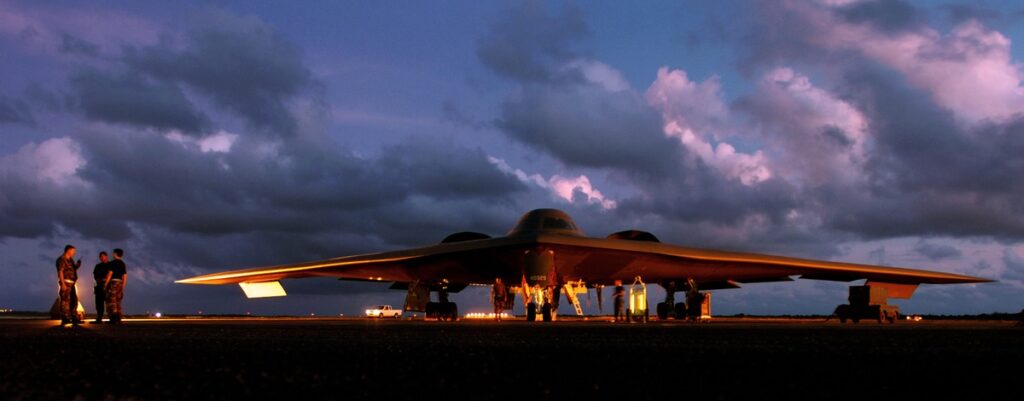
This required a complete rethink of aircraft shape. Smooth curves were replaced by flat surfaces angled to scatter radar energy. External weapons disappeared into internal bays. Even engine inlets were reshaped to hide spinning compressor blades, which reflect radar strongly.
The result was something that looked nothing like traditional aircraft.
The moment stealth became real
When the F-117 Nighthawk was revealed to the public in the late 1980s, it didn’t look like an airplane. It looked like a collection of sharp edges forced into flight. That strange appearance wasn’t aesthetic. It was mathematical.
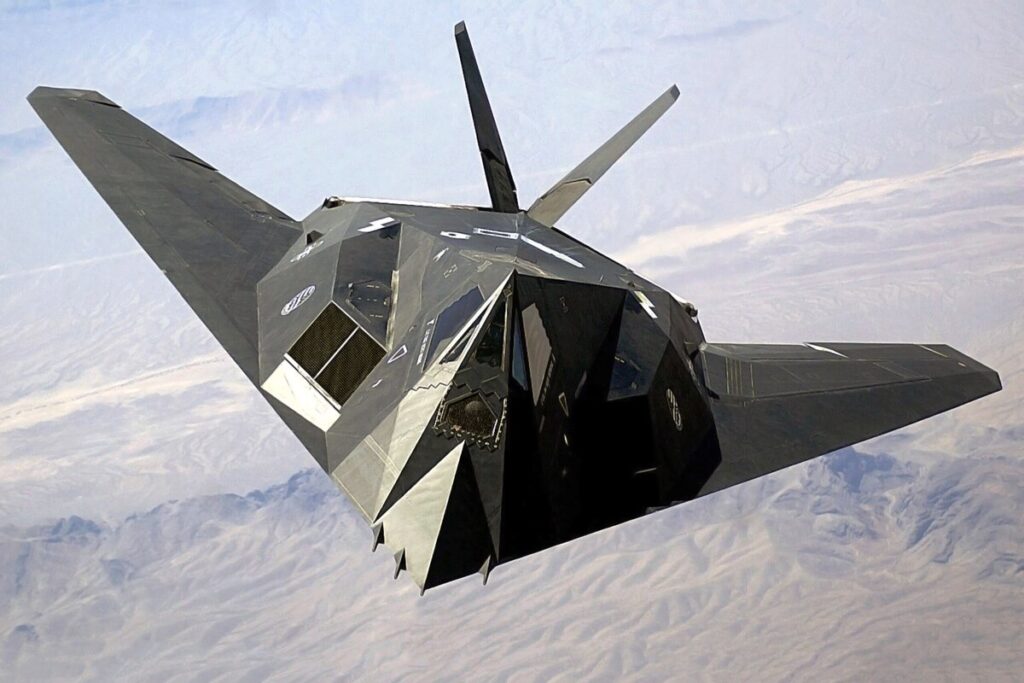
The aircraft proved its value during Operation Desert Storm. It struck heavily defended targets that older aircraft would have struggled to approach. For the first time, stealth had moved from theory into combat reality.
Suddenly, every major air force understood that the future had changed.
Stealth grows up
The first generation of stealth aircraft focused almost entirely on avoiding radar. Later generations became more balanced.
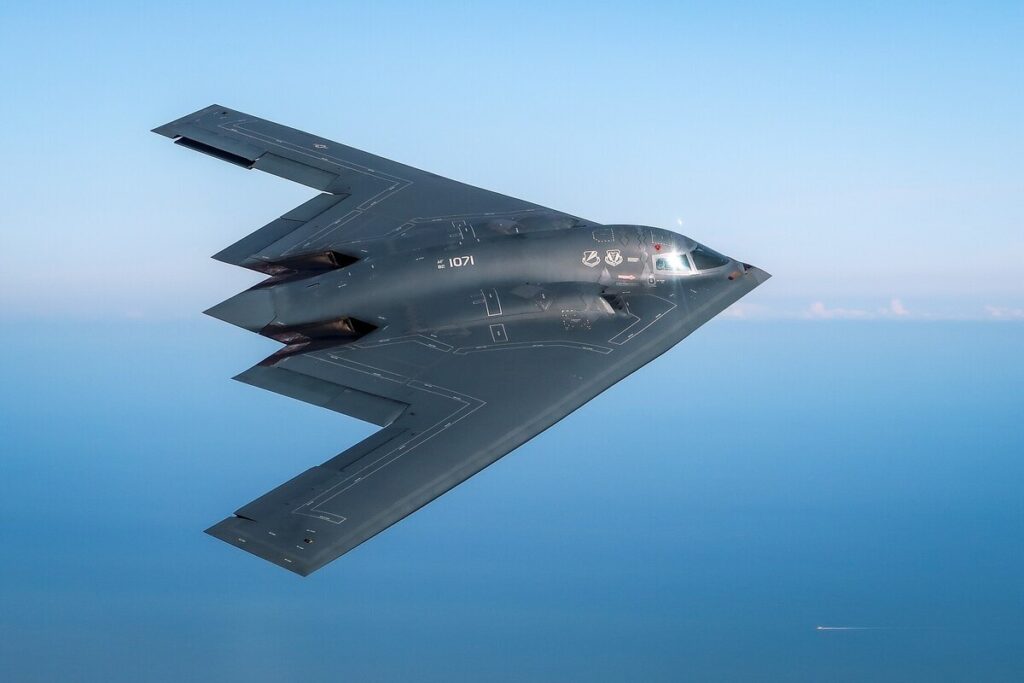
The B-2 Spirit proved that stealth could work at intercontinental bomber scale. The F-22 Raptor combined stealth with extreme maneuverability. The F-35 added sensor fusion and networked warfare into the equation. Stealth stopped being a niche capability and became a core expectation for advanced military aviation.
At this point, the question shifted. Not does stealth work?
But how long will it remain dominant?
The limits of invisibility
Stealth never meant true invisibility. It meant reduced detectability, especially against specific radar frequencies and engagement ranges.
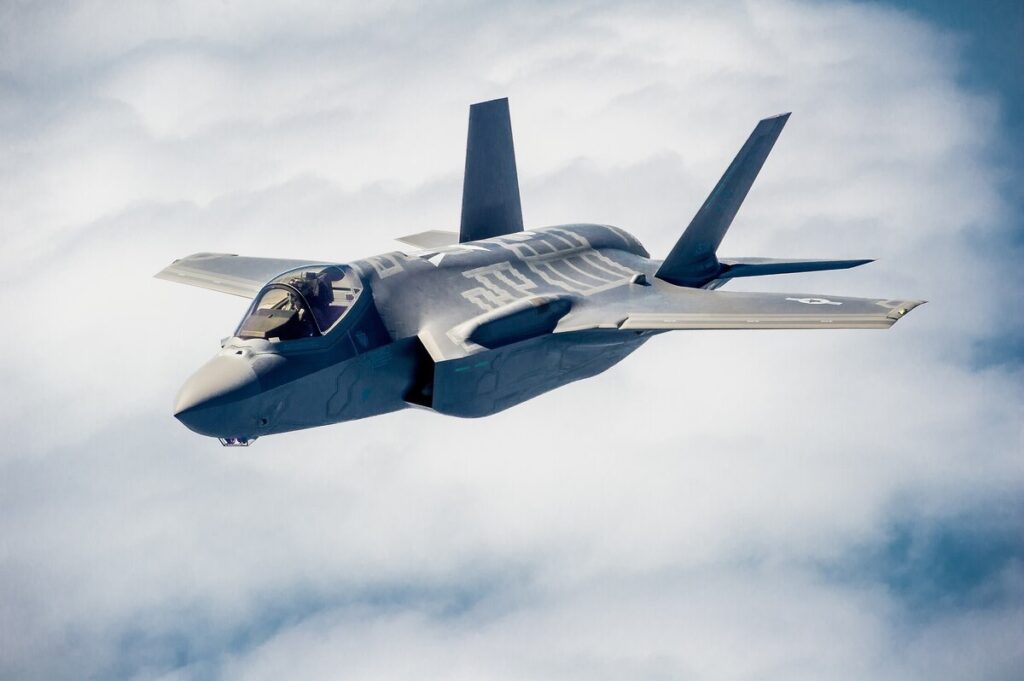
Over time, counter-stealth technologies began to evolve. Low-frequency radar improved. Infrared search and track systems became more capable. Data sharing between sensors allowed multiple detection methods to combine into a clearer picture.
Stealth still works. But it no longer works uncontested.
That’s where the story gets interesting.
What comes after stealth
Future combat aircraft are unlikely to abandon stealth, but they won’t rely on it alone. The next shift is already happening.
Sensors are becoming more powerful. Artificial intelligence is helping interpret vast amounts of data. Aircraft are becoming nodes in larger networks rather than isolated platforms. Uncrewed systems are flying alongside piloted fighters. Electronic warfare is becoming as important as aerodynamics.
Instead of hiding completely, future aircraft may focus on confusing, overwhelming, or outthinking detection systems.
Less invisibility.
More unpredictability.
The era of the connected battlefield
Upcoming fighter concepts emphasize teamwork between aircraft, drones, satellites, and ground systems. The aircraft becomes one piece of a much larger system designed to see first, decide faster, and act earlier.
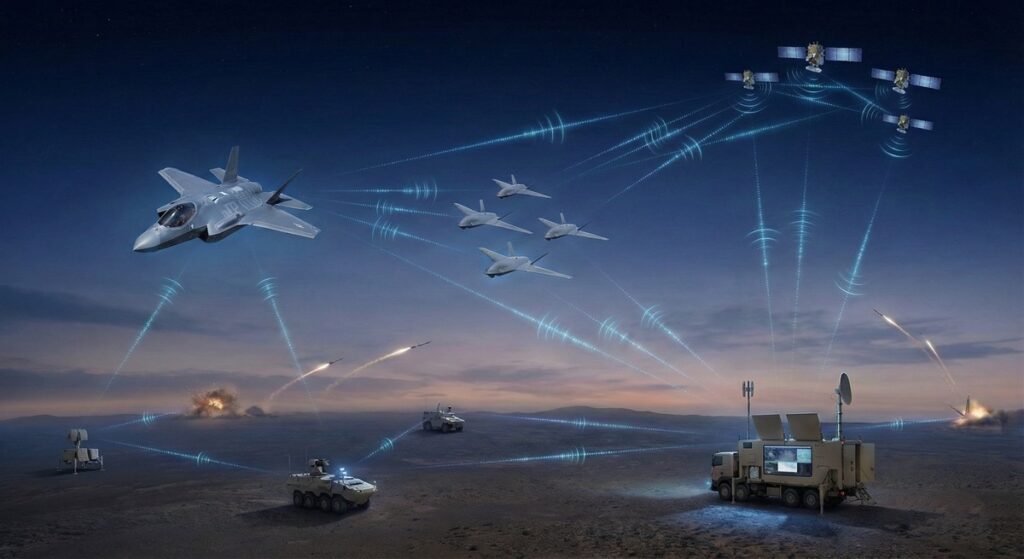
In that environment, stealth becomes one tool among many. Important, but not sufficient by itself.
Future air combat may depend less on a single aircraft’s performance and more on how well it connects to everything around it.
Why stealth will still matter
Even as new technologies emerge, stealth won’t disappear. It will evolve quietly in the background, becoming one layer in a broader survival strategy.
That’s the pattern aviation tends to follow. New capabilities rarely replace old ones completely. They stack on top of them.

Speed didn’t disappear when radar arrived.
Maneuverability didn’t vanish when missiles improved.
Stealth won’t vanish when networks take center stage.
It will simply become part of a bigger story.
A turning point in aviation history
Stealth aviation marked a shift in how aircraft were designed and how air combat was imagined. It proved that winning doesn’t always mean being the strongest or the fastest. Sometimes it means being the hardest to find.

And now, as aviation moves toward a future of connected systems, autonomous partners, and information dominance, stealth stands at another turning point.
Not the end of the story.
Just the beginning of the next chapter.