
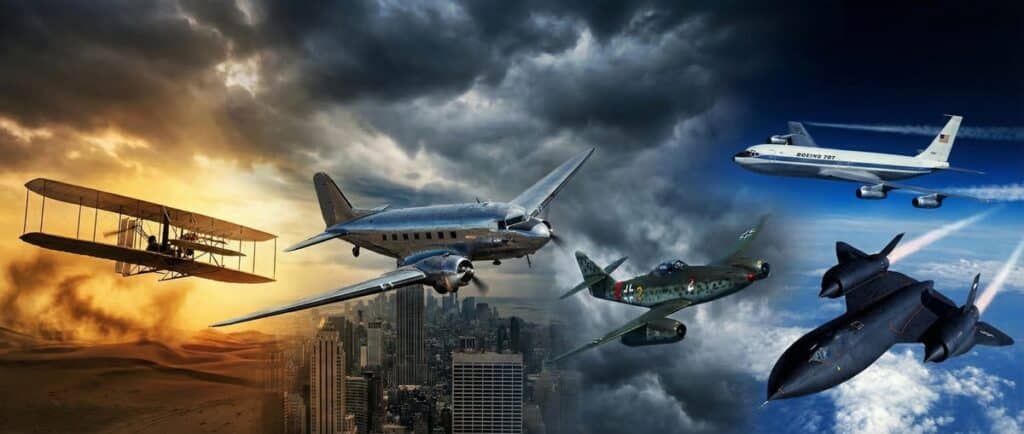
After enough years around hangars, museums, and old pilots who remember when things were different, you start to see aviation history less as a timeline and more as a series of sharp turns. Some airplanes didn’t just arrive; they forced everyone else to react. Procedures changed. Industries reshaped themselves. Entire assumptions about range, speed, and purpose quietly died the day those aircraft flew for real.
The First Ones That Proved It Could Be Done
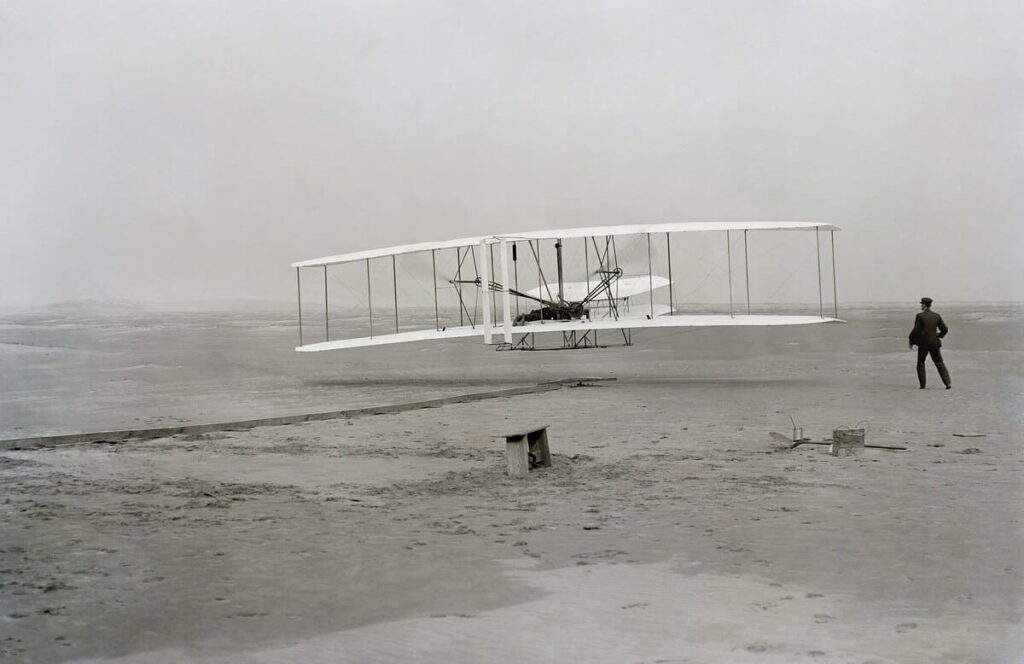
The Wright Flyer wasn’t practical, comfortable, or repeatable in any modern sense, but that’s beside the point. It crossed the line from theory to action. Almost immediately, the idea of flight stopped being speculative. Engineers stopped arguing if and started arguing how. That shift mattered more than the airplane’s short hops over sand.
Making Air Travel Ordinary

Few aircraft altered daily life the way the Douglas DC-3 did. It made airlines profitable without subsidies and turned flying from novelty into infrastructure. Pilots trusted it. Operators depended on it. Passengers stopped dressing like they were attending an event. Once airplanes became reliable transportation instead of daring experiments, the world quietly shrank.
When Speed Changed the Nature of War
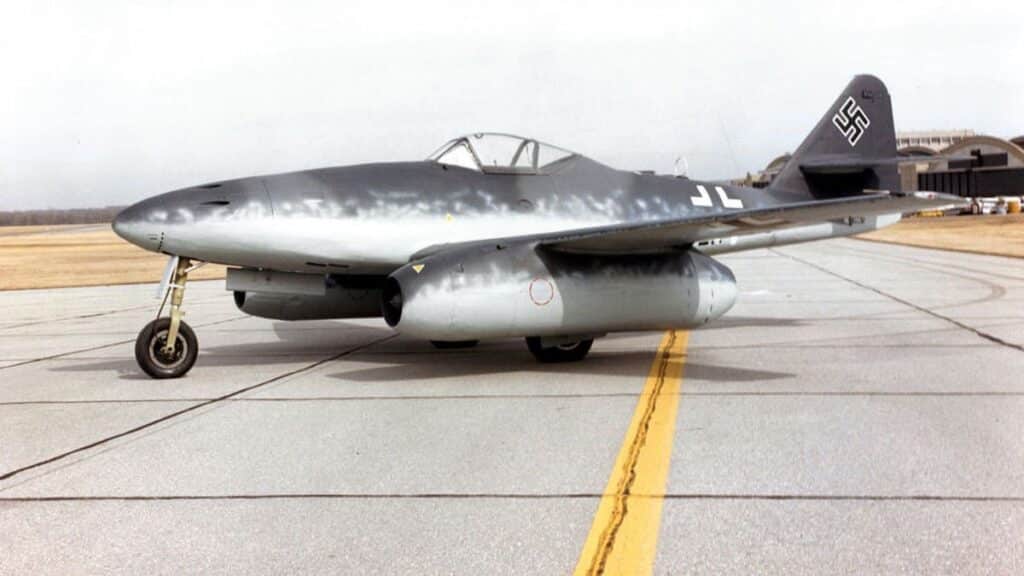
The arrival of the Messerschmitt Me 262 unsettled everyone who saw it fly. It didn’t just outperform piston fighters; it exposed the limits of everything that came before. Though its impact was blunted by timing and logistics, the message was clear. Propellers had reached their ceiling. Air combat would never feel the same again.
Stretching Distance and Imagination
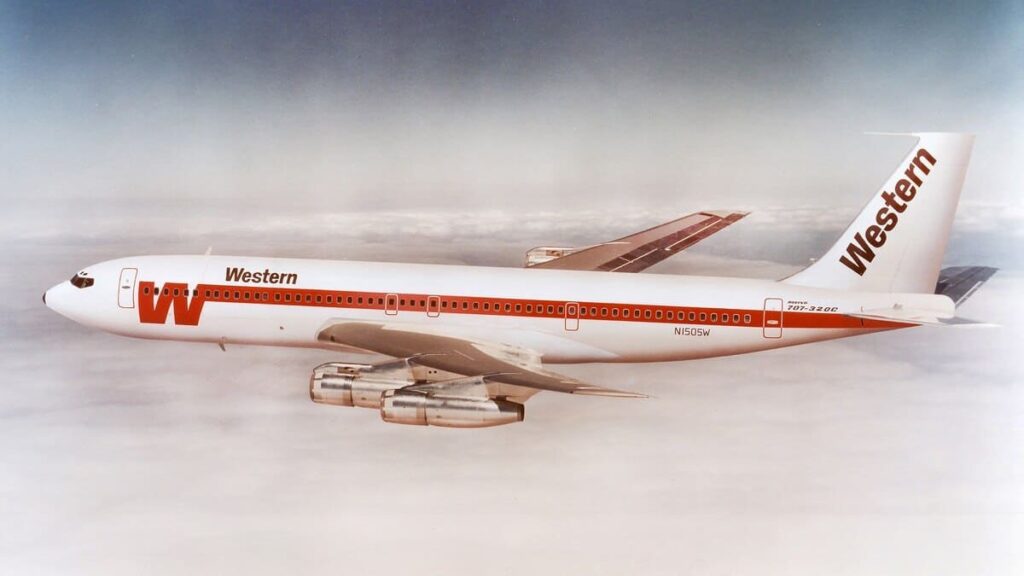
The Boeing 707 carried jet travel into civilian life, while the Lockheed SR-71 Blackbird showed how far designers could push speed and altitude when rules were rewritten. Neither was perfect. Both were demanding. But together, they redefined what airplanes could reasonably be asked to do. History remembers planes like these not for their numbers, but for the boundaries they quietly erased.
For aviation model collectors, aircraft like these matter beyond their outlines. A well-crafted airplane model captures the moment an idea changed flight itself—the risks, the ambition, the engineering choices frozen in form. That’s why historically important aircraft continue to draw collectors long after they leave the sky. And if a specific design isn’t available, Can’t find your model? Build one from photos. Some airplanes deserve to live on in three dimensions.