
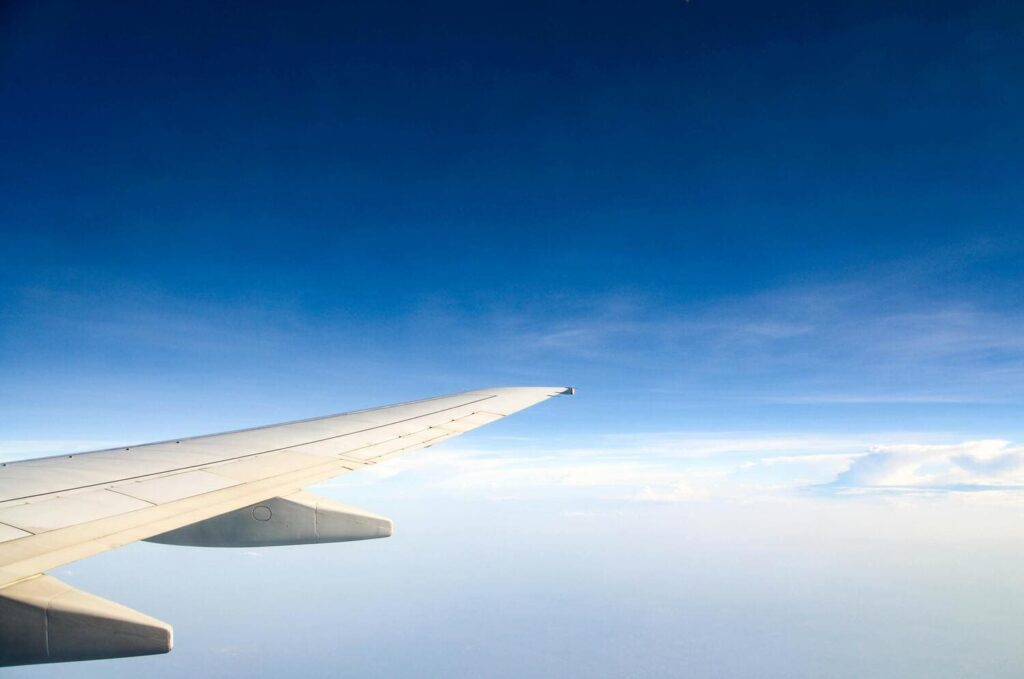
If you ever stand under an old biplane at a museum and then walk across the hangar to look at a modern jet, it almost feels like you’re looking at two different species.
One is all wires and struts, wings stacked like shelves. The other is smooth and swept back, like it was carved by the wind itself.

And in a way, it was.
Aerodynamic design didn’t evolve because designers wanted aircraft to look better. It evolved because the air kept winning the argument.
When Staying Airborne Was the Only Goal
Early aircraft designers weren’t chasing efficiency. They were chasing lift. If an airplane managed to stay in the sky longer than a few seconds, that was success.

That’s why early machines looked fragile and busy. Multiple wings, exposed frames, external bracing wires — drag wasn’t fully understood yet, and materials were limited. Strength came from adding more structure, even if that structure fought the air.
They weren’t elegant. But they were honest attempts.
And every short hop off the ground taught engineers something new.
The Realization That Smooth Is Faster
By the 1930s, aviation had grown up a bit. Designers started noticing that cleaner shapes mattered. Wires disappeared. Fuselages became rounded instead of boxy. Landing gear began retracting instead of hanging below the wing.
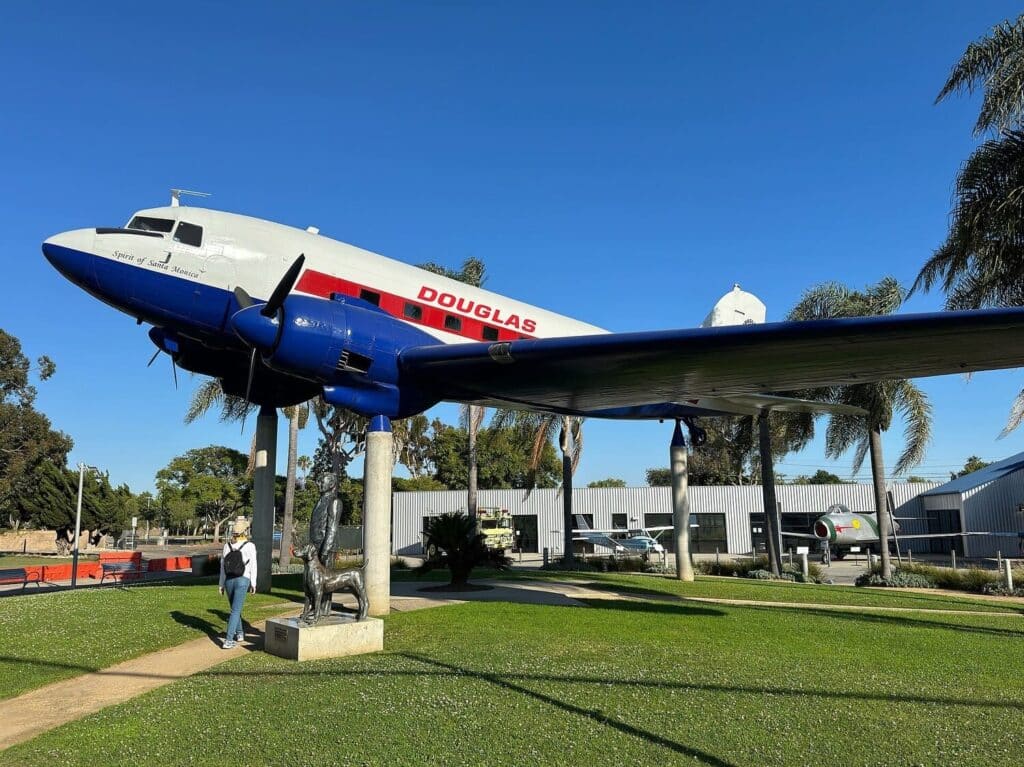
Aircraft like the Douglas DC-3 didn’t just represent progress in engines and reliability. They showed that reducing drag could change everything — speed, fuel burn, range.
It wasn’t about making airplanes pretty.
They just ended up looking better because airflow prefers smooth shapes.
Jets Forced a Rethink
Then the jet engine arrived and quietly rearranged the rulebook.
Suddenly aircraft were flying much faster, and straight wings started running into problems near the speed of sound. Shockwaves formed. Drag increased sharply.
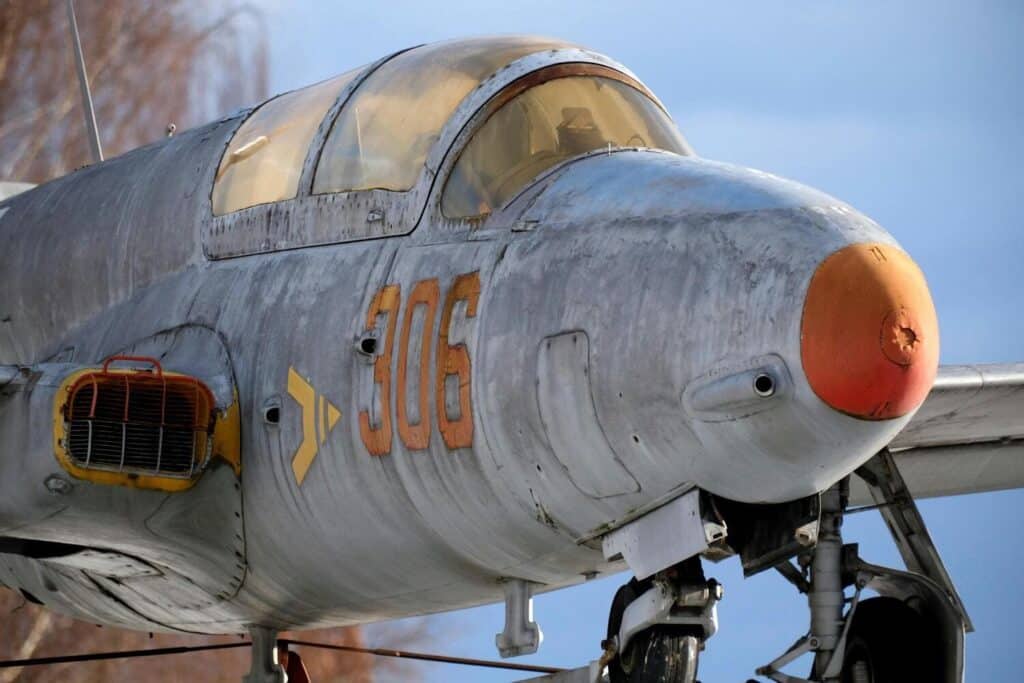
The solution looked dramatic: sweep the wings backward.
It wasn’t done for style. It was physics again. Swept wings delay compressibility effects and allow higher speeds without chaos building up around the airframe.
That’s why post-war aircraft look so different from what came before them. Aerodynamics demanded it.
Speed Isn’t Everything
The Concorde might be the most striking example of aerodynamic design chasing speed. Long, slender fuselage. Delta wing. Nose that tilted downward for visibility on approach.
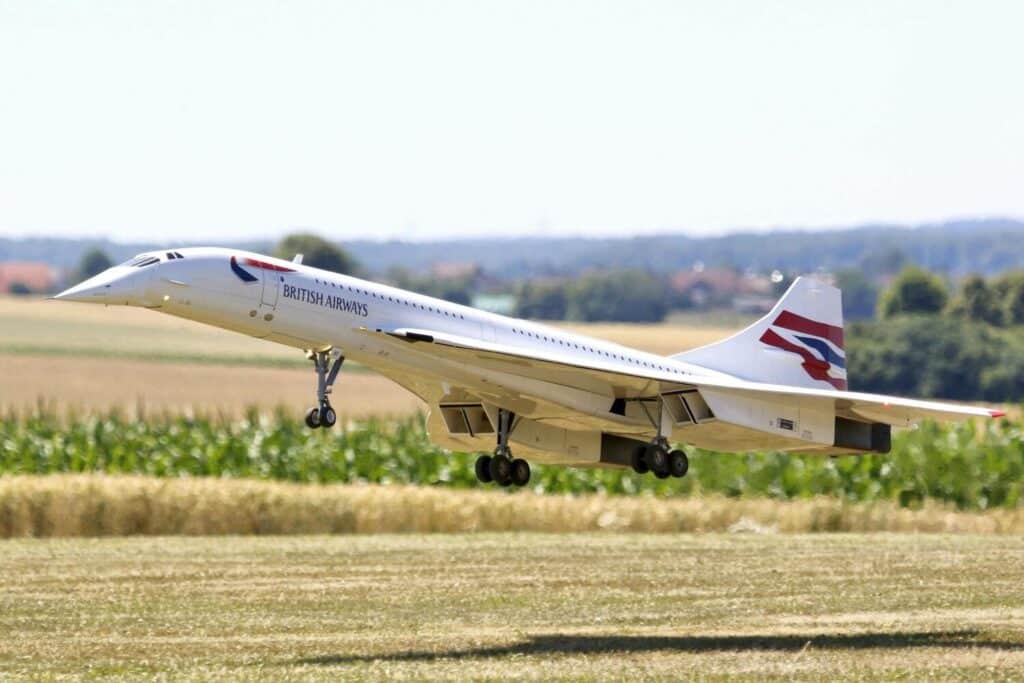
It was shaped almost entirely by supersonic airflow.
But that era also proved something important: the fastest shape isn’t always the most practical one. Aerodynamic design has to balance performance with economics, noise, and efficiency.
That tension never really goes away.
Today’s Airplanes Look Calm for a Reason
Modern airliners don’t look radical at first glance. Long wings. Winglets at the tips. Clean fuselage lines.
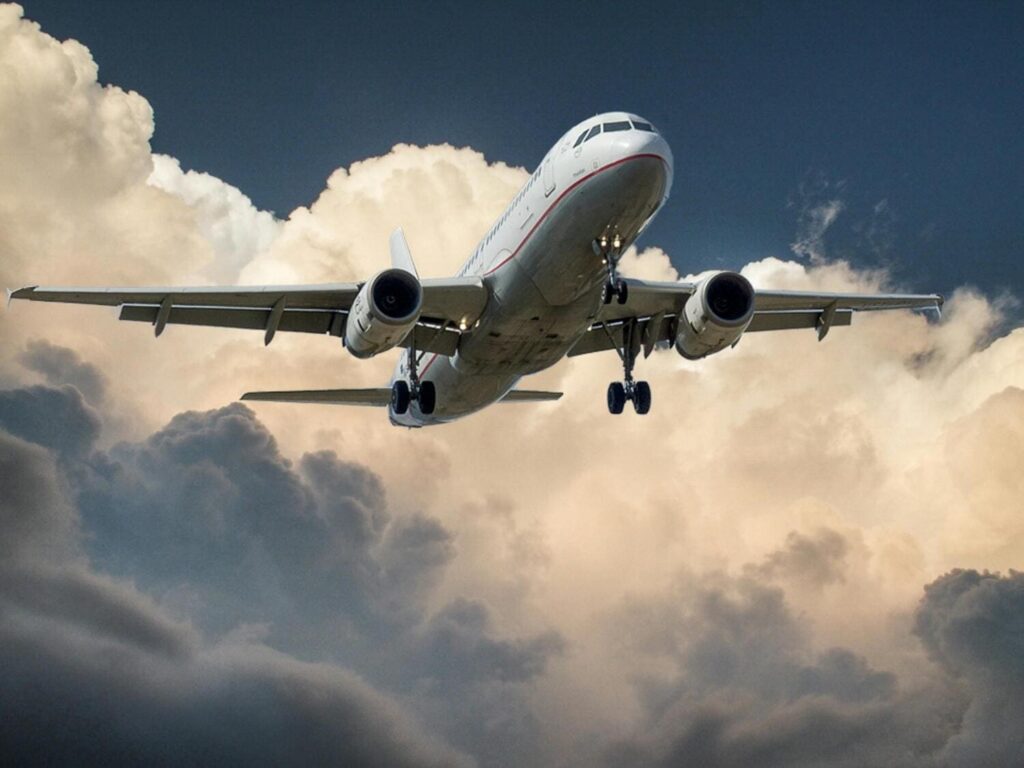
But those shapes are the result of endless refinement. Engineers now use computational fluid dynamics to test airflow digitally before a physical model ever sees a wind tunnel. Wings flex intentionally in flight to optimize lift. Winglets reduce vortices that once wasted fuel.
It’s not dramatic progress anymore. It’s incremental.
Tiny gains in efficiency that add up over thousands of flights.
Why Shape Still Captures Attention
Even if most passengers don’t think about aerodynamics consciously, they feel it. A smooth climb. A stable cruise. Lower fuel burn translating to longer routes.
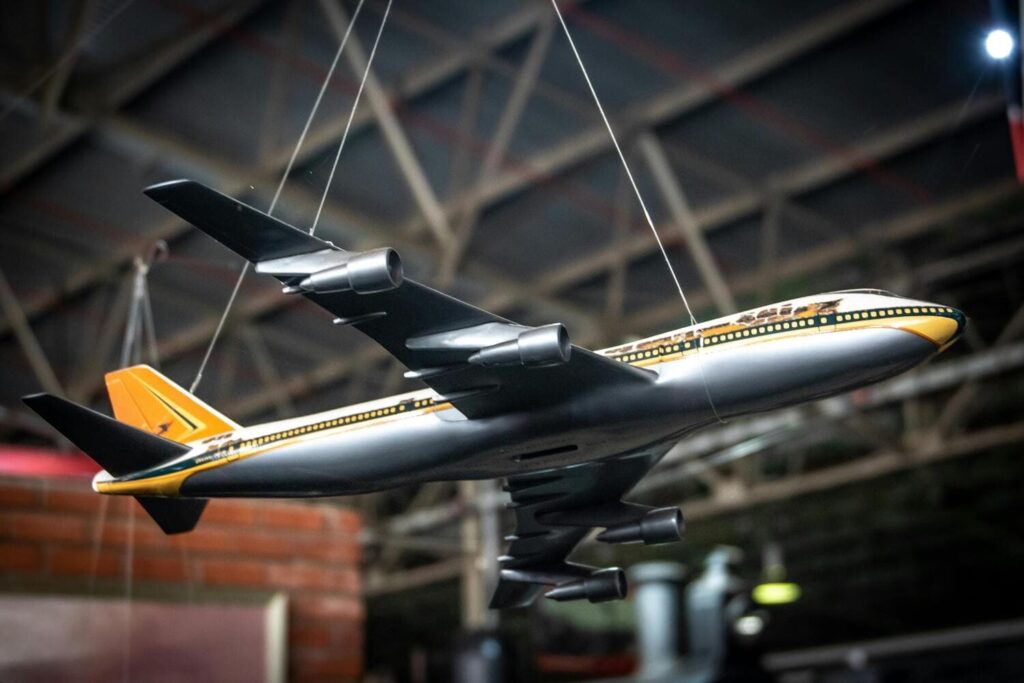
And for enthusiasts, aircraft shape becomes part of the fascination. A model plane of a straight-wing propeller aircraft beside a swept-wing jet tells a whole aerodynamic story without needing explanation. A custom airplane model highlights how drastically design philosophy changed over time.
The curves, angles, and proportions aren’t artistic choices.
They’re negotiations with air.
Always Answering the Same Question
Every generation of aircraft asks the same thing: how do we move through air more efficiently?
The answers look different each time. Biplanes. Streamlined monoplanes. Swept wings. Winglets. Composite structures.
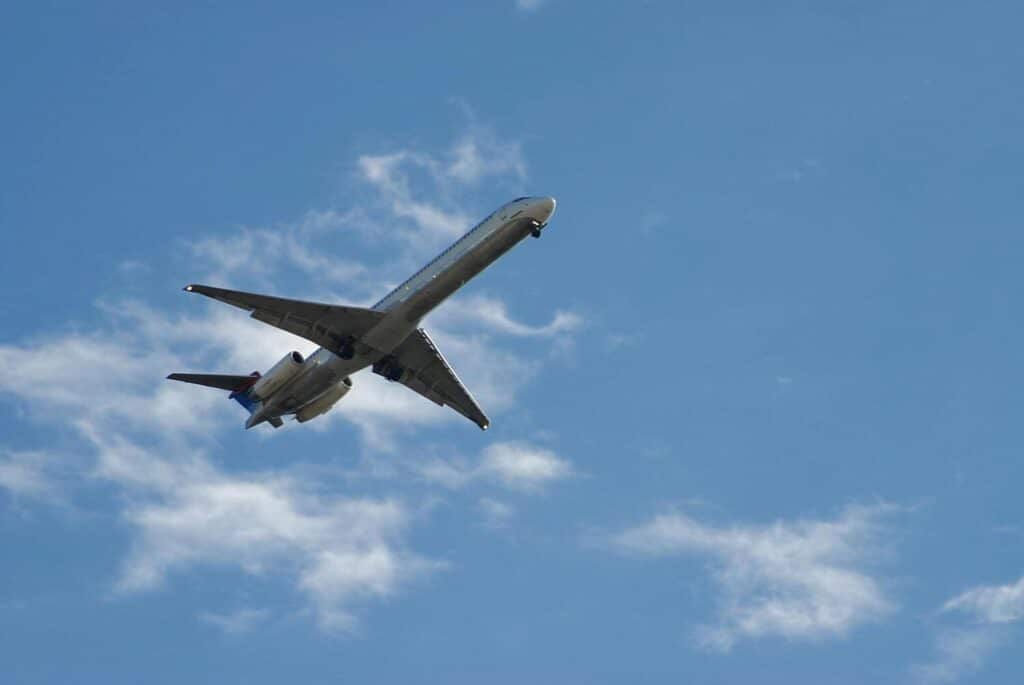
But the goal hasn’t changed.
Aerodynamic design in aviation isn’t about trends. It’s about listening to what the air is telling you — and adjusting the shape accordingly.
And that conversation is still ongoing.