
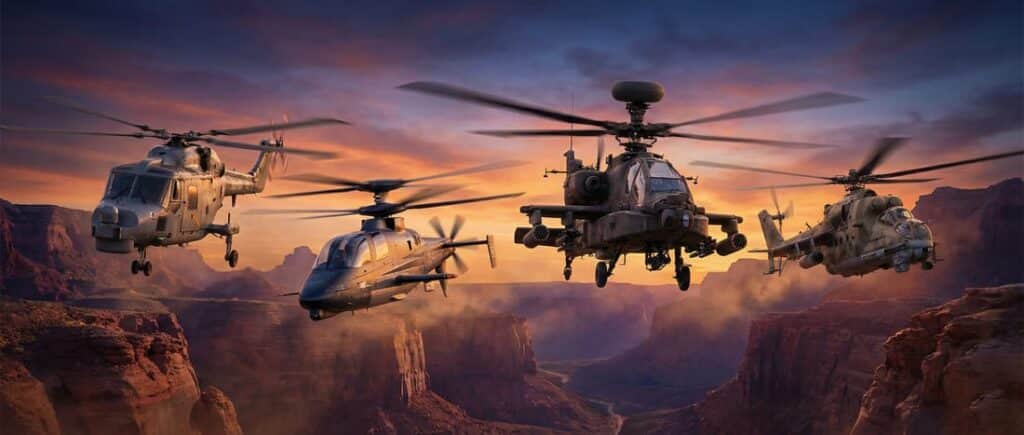
After years around flight lines and crew rooms, I’ve learned that helicopter speed is rarely about top-end numbers. It’s about how fast a machine can move when the air is rough, the profile is low, and the pilot is already busy. Conversations about The World’s Fastest Military Helicopters usually start with published figures, then drift toward stories of aircraft being pushed well beyond what brochures ever admitted. Speed, in this world, is situational and often uncomfortable.
Why Helicopters Have Always Fought Physics
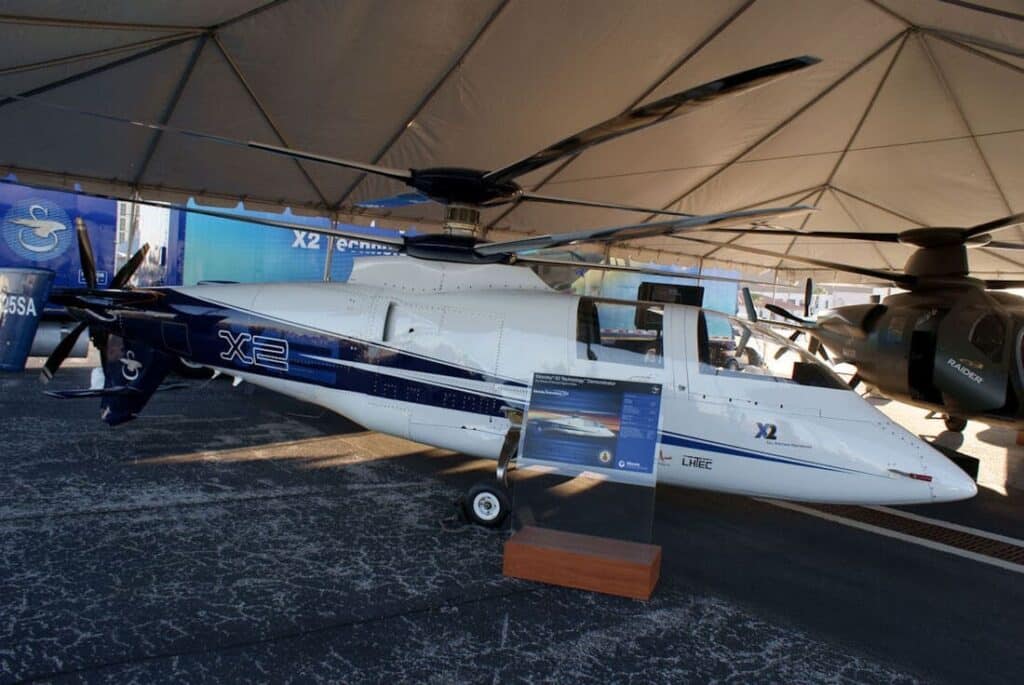
Sikorsky X2 (Source: Wikipedia)
Every helicopter that chases speed runs into the same old limits. Retreating blade stall, compressibility on the advancing side, vibration that creeps in through the controls. Designers have spent decades trying to manage these problems without turning helicopters into something else entirely. That tension explains why true speed gains tend to come in small steps, punctuated by a few bold experiments that briefly rewrite expectations before reality pushes back.
The Machines That Stretched the Envelope
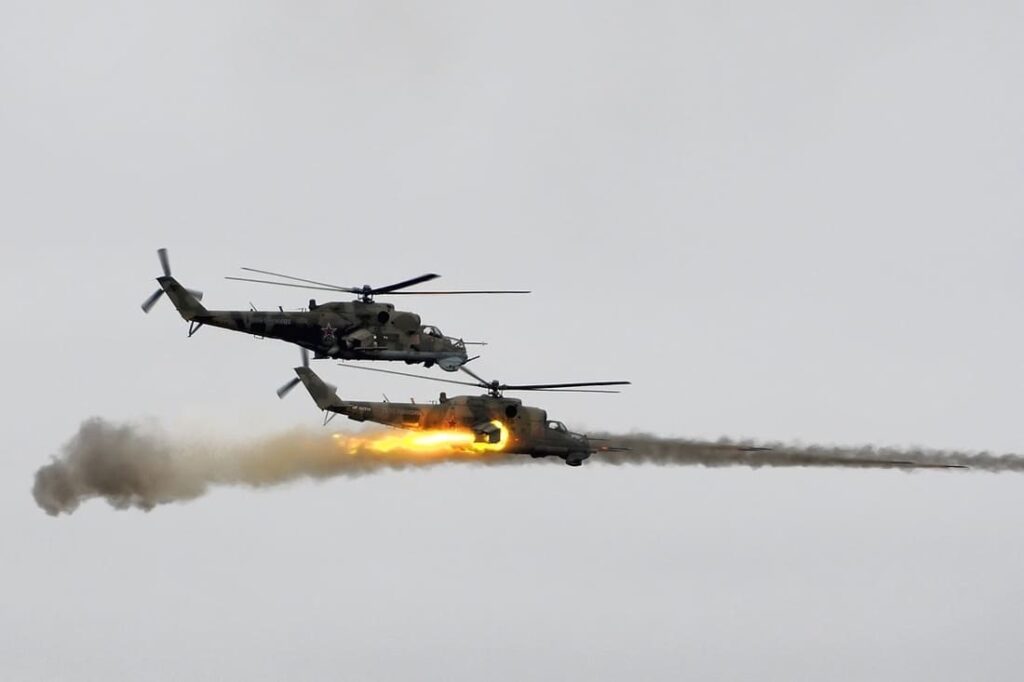
Mil Mi-24 (Source: Wikipedia)
The British Westland Lynx still holds a quiet place in aviation history for its outright speed record, achieved without abandoning traditional rotor design. On the other end of the spectrum, the Sikorsky X2 showed what happens when engineers stop negotiating with physics and start confronting it head-on. Operational aircraft like the AH-64 Apache and Mil Mi-24 weren’t built to win races, yet their ability to move fast at low altitude reshaped how armies thought about helicopter survivability.
Speed in Combat Is About Getting Away

British Westland Lynx (Source: Wikipedia)
What’s often missed is that speed in a military helicopter is defensive as much as aggressive. A faster transit through threat zones, quicker breakaways after weapons release, fewer seconds exposed. Crews talk about acceleration more than cruise speed, and about how an aircraft feels when you ask for just a little more than the book suggests.
Looking Ahead Without Illusions
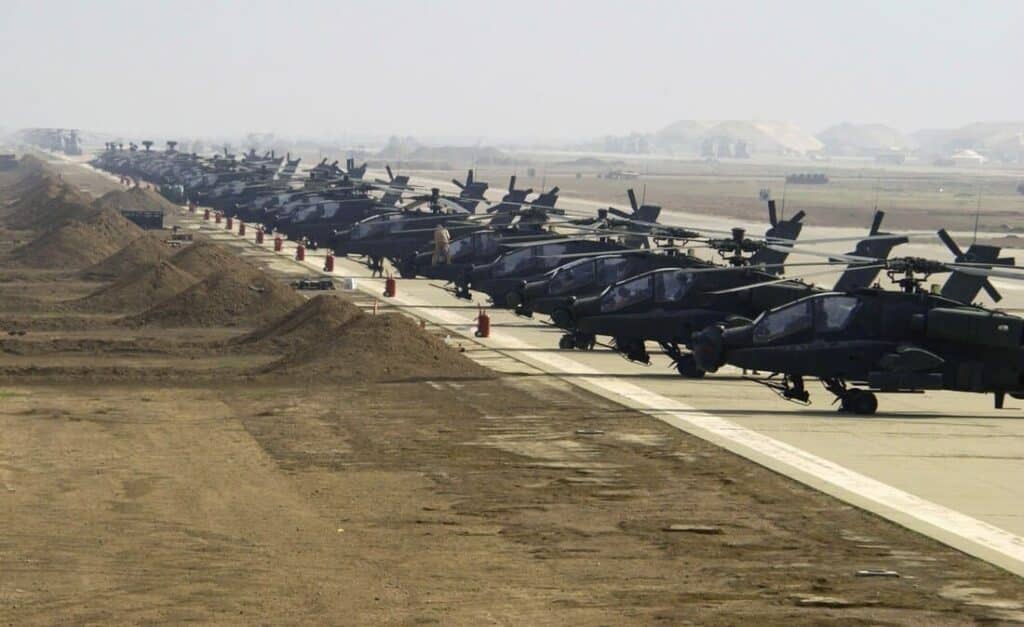
AH-64 Apache (Source: Wikipedia)
Future designs promise higher speeds again, and some will deliver. Still, history suggests the conversation will circle back to the same truth. The World’s Fastest Military Helicopters aren’t defined by records alone, but by how confidently they move when conditions are worst. Each helicopter model carries its own compromises, shaped by mission, terrain, and the limits pilots learn to respect over time. That’s the kind of speed pilots remember long after the numbers fade.