 ❮
❯
❮
❯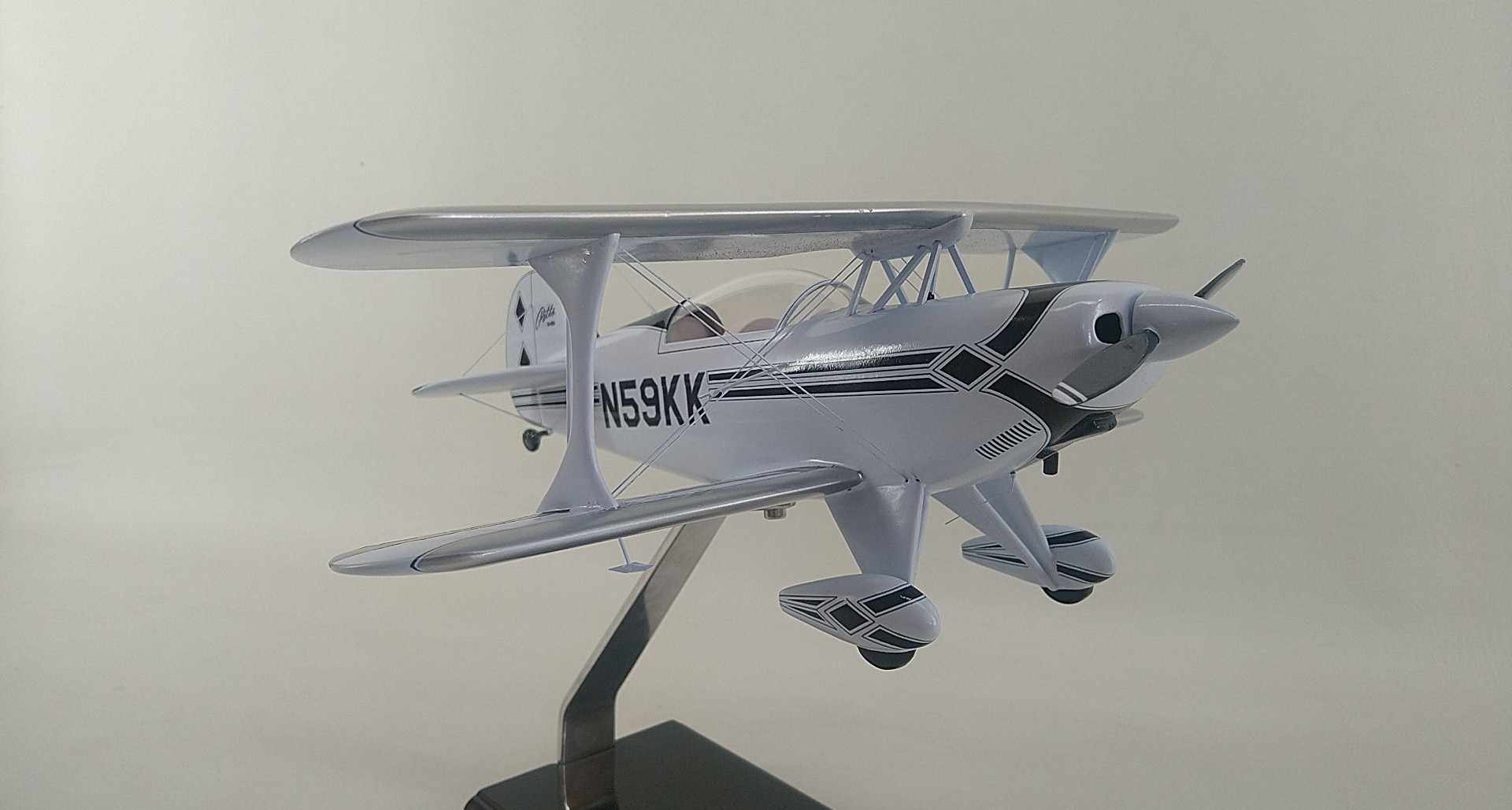
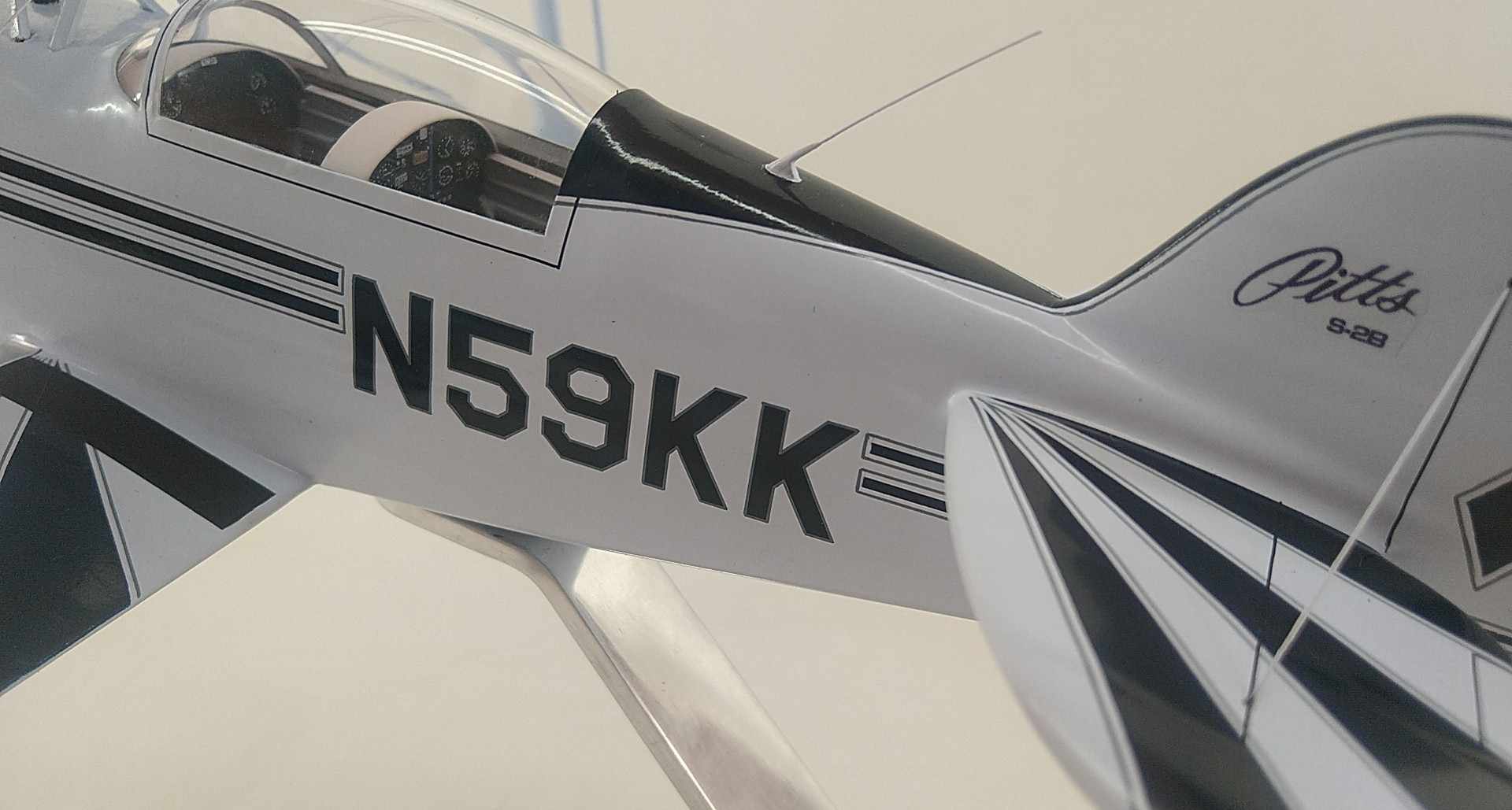

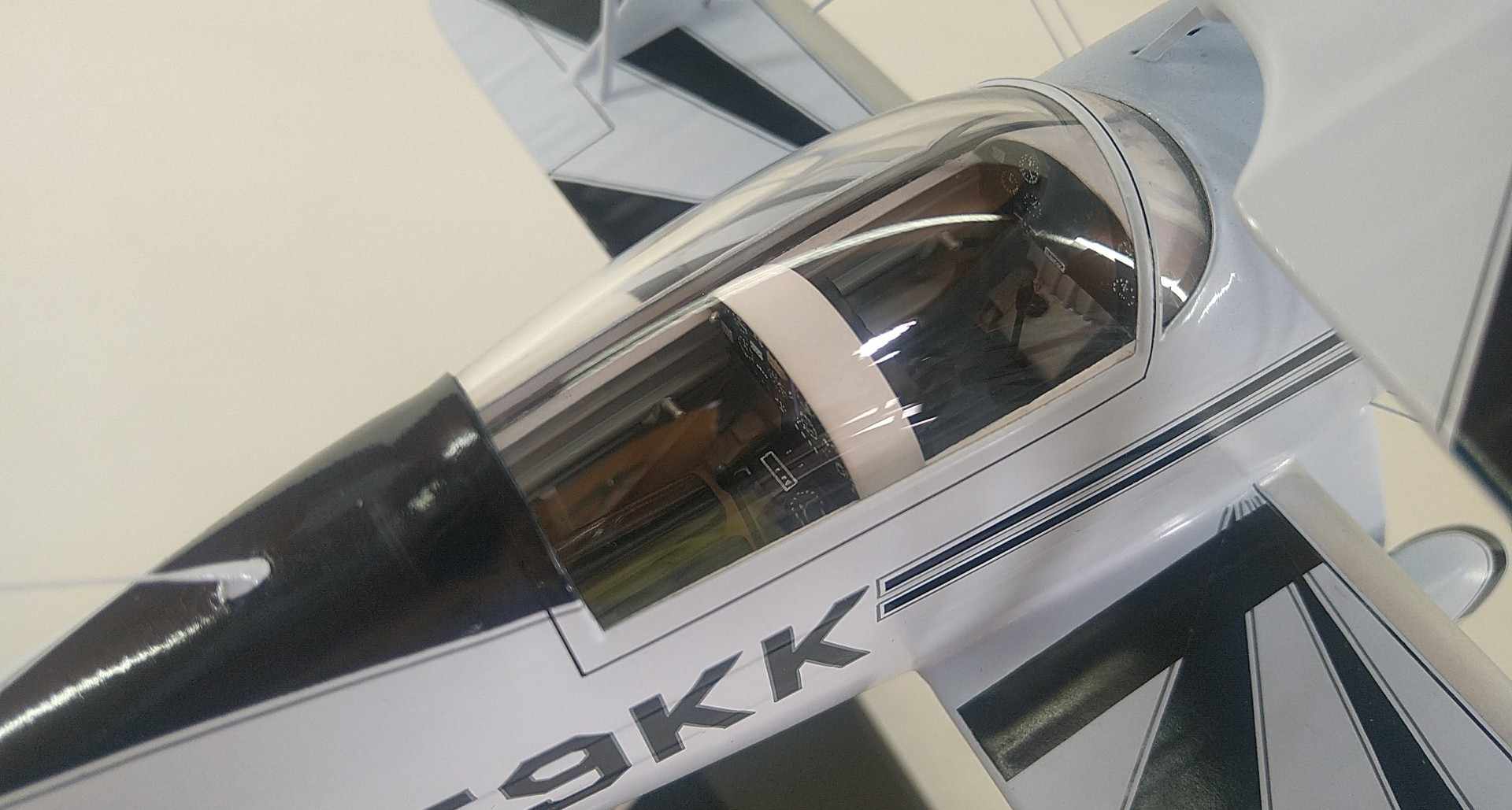
Pitts S-2B Cutaway Model Plane
- Material: Mahogany/Balsa/Resin/Plastic/Diecast
- Finish: Hand-painted
- Base: Wooden/Plastic stand
The Pitts S-2B Cutaway Model Plane represents one of the most respected aerobatic aircraft ever built, revealed in a way that few people ever get to see. The Pitts Special family is legendary among aerobatic pilots, but the S-2B stands out as the version that refined the breed into a serious, competition-capable machine. A cutaway model of this aircraft goes beyond surface shape. It exposes structure, control geometry, and cockpit layout, turning a beautiful airplane into a readable technical story. This handcrafted Pitts S-2B Cutaway Model Plane with interior details is built for those who understand that true appreciation comes from seeing how the machine actually works.
The Pitts S-2B and the Evolution of Purpose-Built Aerobatic Design
The Pitts lineage began with Curtis Pitts’ original single-seat designs, but the S-2 series marked a shift toward two-seat, professional-grade aerobatic aircraft. The S-2B, introduced in the early 1980s, strengthened the structure, refined control harmony, and increased allowable load factors, making it suitable not only for competition but also for advanced instruction and airshow flying. Powered by the Lycoming AEIO-540, the aircraft delivers the kind of instantaneous throttle response and torque that demands respect and rewards precision.
Technically, the aircraft is deceptively simple. Tube-and-fabric construction, compact wings, and exposed control systems are not design compromises; they are deliberate choices in service of responsiveness and structural integrity. The engineering philosophy behind the type is well outlined in the Pitts Special history, while operational and pilot-centered perspective is reflected in resources such as the AOPA Pitts S-2B evaluation, which captures how the aircraft behaves in real flying rather than on paper.
Why the Pitts S-2B Is Especially Suited to a Cutaway with Interior Details
Very few aircraft benefit from the cutaway approach as much as the Pitts. Its exposed control linkages, welded steel fuselage frame, compact cockpit, and layered wing structure are part of its identity. When these elements are revealed in a cutaway model aircraft, the viewer can immediately understand why the aircraft feels the way it does in the air. The relationship between control stick, cables, bellcranks, and control surfaces becomes visible. The seating position, harness geometry, and instrument layout tell their own story about how this airplane is meant to be flown.
A Pitts S-2B Cutaway Model Plane with interior details is not just visually interesting. It is educational. It invites long observation. Pilots recognize it instantly. Engineers appreciate the honesty of the structure. Collectors value it because it goes far beyond a generic model airplane and becomes a physical explanation of function.
Craftsmanship That Prioritizes Structural Logic
A cutaway custom airplane model demands technical discipline. Internal structures must align realistically. Tubing must follow believable paths. Seat placement, rudder pedal geometry, instrument panel angles, and control stick positioning must all make sense. Each Pitts S-2B Cutaway Model Plane is developed with careful reference to ensure that the exposed interior details are coherent rather than decorative. This is where model aircraft building moves closer to engineering interpretation than simple replica work.
Exterior finish remains restrained so it does not compete with the internal narrative. Fabric surfaces, rib spacing, and panel transitions are handled to reflect real construction rather than stylized texture. Clients interested in similar technically accurate builds can also explore our broader collection of custom aircraft models, where proportion fidelity and research accuracy define every project.
Customization That Serves Purpose, Not Decoration
Most commissions for a Pitts S-2B Cutaway Model Plane are purpose-driven. Flight schools use them to explain aerobatic aircraft construction. Aviation academies commission them for training environments. Museums request them to help visitors understand how classic tube-and-fabric aircraft are built. Aerobatic pilots request replicas of their own aircraft, complete with accurate color schemes, registration numbers, and cockpit configurations. Scale is adapted to suit everything from tabletop instructional use to large display installations.
Display bases can be minimalist for technical environments or include engraved plaques with aircraft specifications, pilot names, or commemorative text. Interior layout can be adapted to reflect specific aircraft configurations when reference material is available. For additional context on how aircraft like the Pitts fit into modern aerobatics, the FAI aerobatics overview helps frame the type’s role within competitive flying.
Who Typically Commissions This Type of Model Aircraft
The Pitts S-2B Cutaway Model Plane is most often commissioned by aerobatic pilots, aviation educators, flight schools, aerospace students, museums, and serious collectors of technically significant aircraft. Corporate aviation organizations sometimes use similar models to communicate engineering philosophy or craftsmanship values. These are rarely impulse purchases. They are typically commissioned by people who want the model aircraft to explain something, not merely decorate a shelf.
Preserving the Anatomy of a Purpose-Built Aerobatic Aircraft
The Pitts S-2B was built to teach precision, discipline, and respect for aerodynamics. A carefully executed Pitts S-2B Cutaway Model Plane preserves that philosophy in physical form. By revealing both exterior shape and interior logic, it becomes a lasting tribute to one of the most honest and uncompromising aerobatic designs ever flown.
Testimonials

Known & Trusted by